5 Relationship Mistakes That May Affect Cer.vical Health - Start Making Changes Today
Cervical health is an important yet often overlooked aspect of women’s overall well-being. While factors such as genetics, immunity, and access to healthcare play a role, lifestyle and relationship behaviors can also have a significant impact.
Many cervical health issues - including infections and, in some cases, more serious conditions are linked to preventable risk factors. By understanding how certain behaviors within relationships affect health, women can make informed choices that support long-term well-being.
Understanding Cervical Health
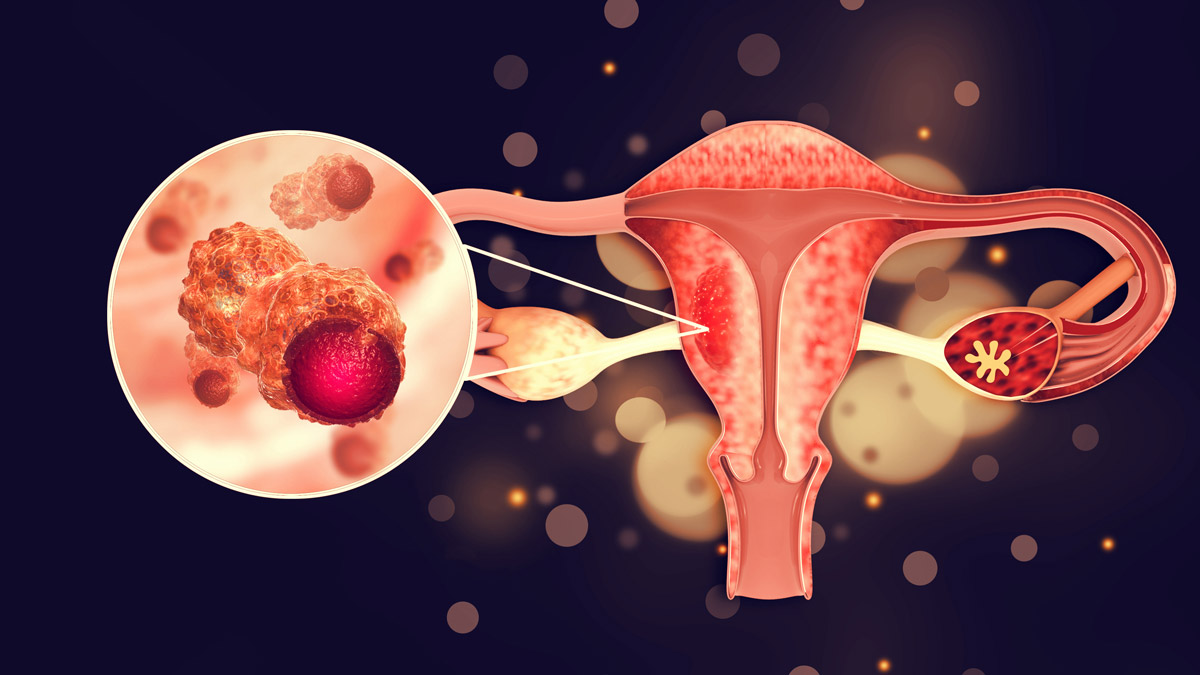
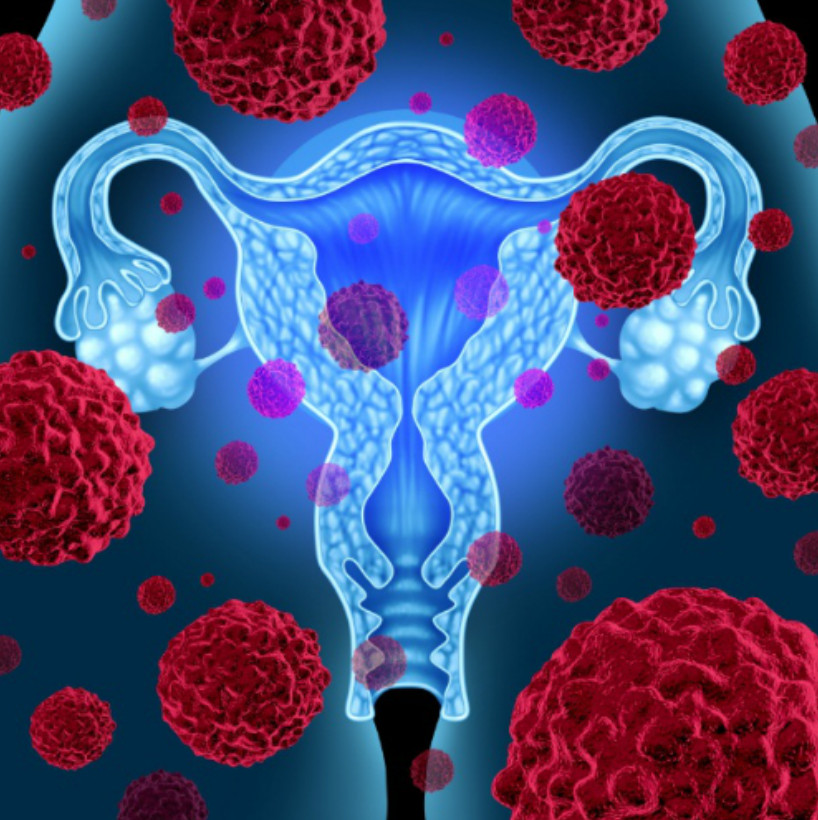
The cervix is the lower part of the uterus, connecting it to the vagina. It plays a key role in reproductive health and is particularly sensitive to infections.
One of the most important factors in cervical health is exposure to certain viruses, especially human papillomavirus (HPV), which is commonly transmitted through intimate contact. While many HPV infections resolve on their own, some can lead to complications if not monitored.
This makes prevention, awareness, and regular screening essential.
1. Lack of Open Communication About Health
In many relationships, conversations about sexual health are avoided due to discomfort or stigma. However, a lack of communication can increase risk.
Without open discussion, partners may:
- Be unaware of each other’s health status
- Avoid testing or screening
- Miss early signs of infection
Honest communication allows both partners to make safer, more informed decisions.
2. Skipping Regular Health Screenings
Routine check-ups, such as Pap smears and HPV testing, are crucial for early detection of cervical changes.
Avoiding these screenings can:
- Delay diagnosis of potential issues
- Allow minor abnormalities to progress
- Reduce treatment effectiveness
Encouraging regular medical visits within a relationship is a key preventive step.
3. Engaging in Unprotected Intimate Contact
Unprotected sexual activity increases the risk of infections that can affect cervical health.
These include:
- HPV
- Other sexually transmitted infections (STIs)
Using protection and practicing safe intimacy can significantly reduce these risks.
4. Having Multiple Partners Without Precautions
Having multiple partners can increase exposure to infections, especially when protective measures are not consistently used.
This does not mean relationships should be restricted—but rather that:
- Awareness is important
- Protection should be prioritized
- Regular testing becomes even more essential
Risk increases when precautions are not taken.
5. Ignoring Early Symptoms or Changes
Many cervical health issues begin with subtle symptoms, such as:
- Unusual discharge
- Irregular bleeding
- Pelvic discomfort
Ignoring these signs or delaying medical attention can lead to more serious complications.
Being attentive to your body and acting early can make a significant difference.
The Role of Vaccination and Prevention
Vaccination against HPV is one of the most effective ways to protect cervical health.
In addition to vaccination:
- Safe practices
- Regular screenings
- Healthy lifestyle choices
all contribute to reducing risk.
Supporting Each Other in a Relationship
A healthy relationship should include mutual support for physical and emotional well-being.
Partners can:
- Encourage regular health check-ups
- Promote open conversations
- Respect boundaries and safety choices
Health is not just an individual responsibility - it can be a shared priority.
Final Thoughts
Cervical health is influenced by a combination of biological, behavioral, and social factors. While not all risks can be eliminated, many can be reduced through awareness and preventive action.
The key message is simple: small, informed changes in relationship behaviors can have a lasting impact on long-term health.
Taking responsibility, staying informed, and prioritizing preventive care are powerful steps toward protecting not just cervical health—but overall well-being.