
8 Surprising Health Benefits of Eating Yogurt at Night
Eat Yogurt Before Bed? Here Are 8 Surprising Benefits
Food 02/04/2026 23:39

Egg White vs. Egg Yolk: Which Is Healthier—and Why?
Eggs have long been considered one of the most nutritious foods available. However, the debate over whether egg whites or egg yolks are the healthier choice continues to spark discussion among nutrition experts and everyday consumers alike. To answer this question, it’s important to understand the nutritional composition of each part and how they contribute to overall health.
An egg consists of two main parts: the white (albumen) and the yolk, each offering distinct nutritional benefits.
Egg whites are primarily composed of water and protein. A single egg white contains about 3–4 grams of high-quality protein and almost no fat or cholesterol. This makes egg whites a popular choice for individuals aiming to build muscle, lose weight, or reduce fat intake.
Egg yolks, on the other hand, are nutrient-dense. Although they contain fat and cholesterol, they are also rich in essential vitamins and minerals, including vitamins A, D, E, K, B12, folate, and choline. The yolk also contains antioxidants such as lutein and zeaxanthin, which support eye health.
If your primary goal is lean protein intake, egg whites are the better option. They provide high biological value protein without added calories from fat.
However, if you are looking for overall nutrition, egg yolks offer more benefits. Nearly all of the egg’s vitamins and minerals are found in the yolk, making it the more nutrient-dense component.

One of the main reasons people avoid egg yolks is their cholesterol content. A single yolk contains about 180–200 mg of cholesterol.
In the past, dietary cholesterol was believed to significantly increase blood cholesterol levels. However, recent research shows that for most healthy individuals, dietary cholesterol has a relatively small impact on blood cholesterol compared to saturated and trans fats.
That said, individuals with certain health conditions—such as cardiovascular disease or diabetes—may still need to monitor their cholesterol intake more carefully.
Interestingly, studies suggest that eating whole eggs for breakfast may reduce overall calorie intake throughout the day compared to eating refined carbohydrates.
The answer depends on your health goals:
For most healthy people, eating whole eggs in moderation provides the greatest overall benefit. Eliminating the yolk means missing out on many essential nutrients.
Rather than viewing egg whites and egg yolks as competitors, it’s more accurate to see them as complementary. Egg whites deliver clean protein, while yolks provide vital nutrients that support overall health. For the majority of people, consuming the whole egg offers the best of both worlds.
Eat Yogurt Before Bed? Here Are 8 Surprising Benefits

10 Science-Backed Benefits of Adding Chayote Squash to Your Diet

Peanuts Aren’t Just a Snack — Doctors Warn They May Lead to…
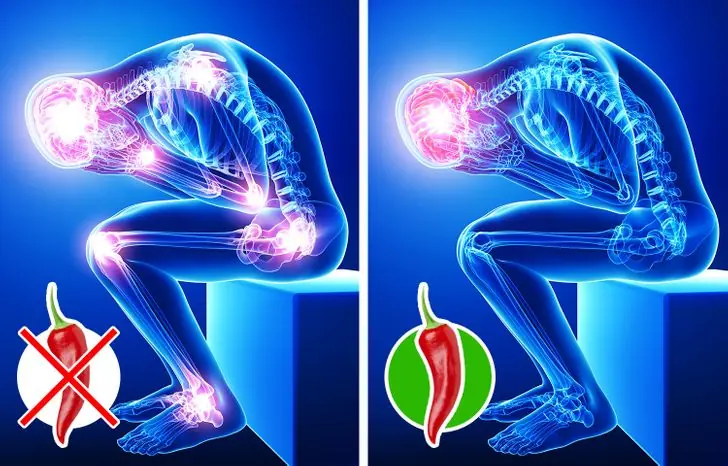
The Truth About Overeating Spicy Foods — What Your Body Experiences
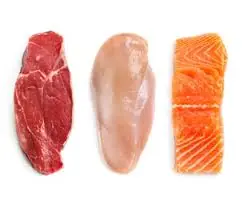
5 Types of Meat You Should Never Eat Raw — And the Dangerous Bacteria and Parasites Lurking Inside

Is Raw Honey Really Better? The Truth About Antioxidants and Pollen
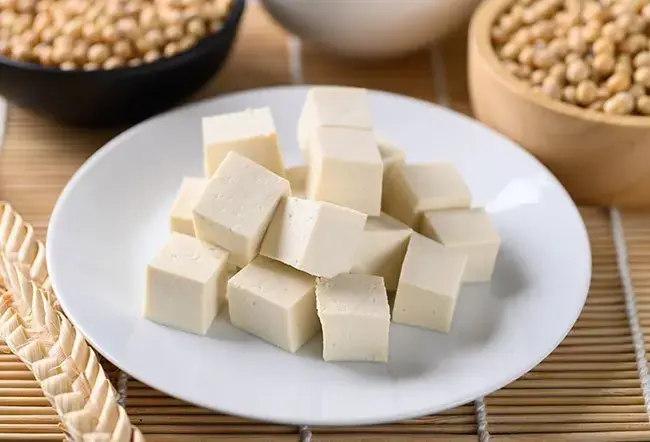
Eating tofu regularly could change your body in unexpected ways…

Discover 10 Fresh Herbs with Amazing Health Perks
Not everyone should eat papaya — see which groups need to be careful.

Eating Eggs Daily? Here’s What Doctors Want You to Know

Eating Plantains Regularly? This Is What It Does to You

Regularly Eating Canned Foods? This Is What It Does to Your Health

Avoid These 10 Foods at Night, According to a Dietitian
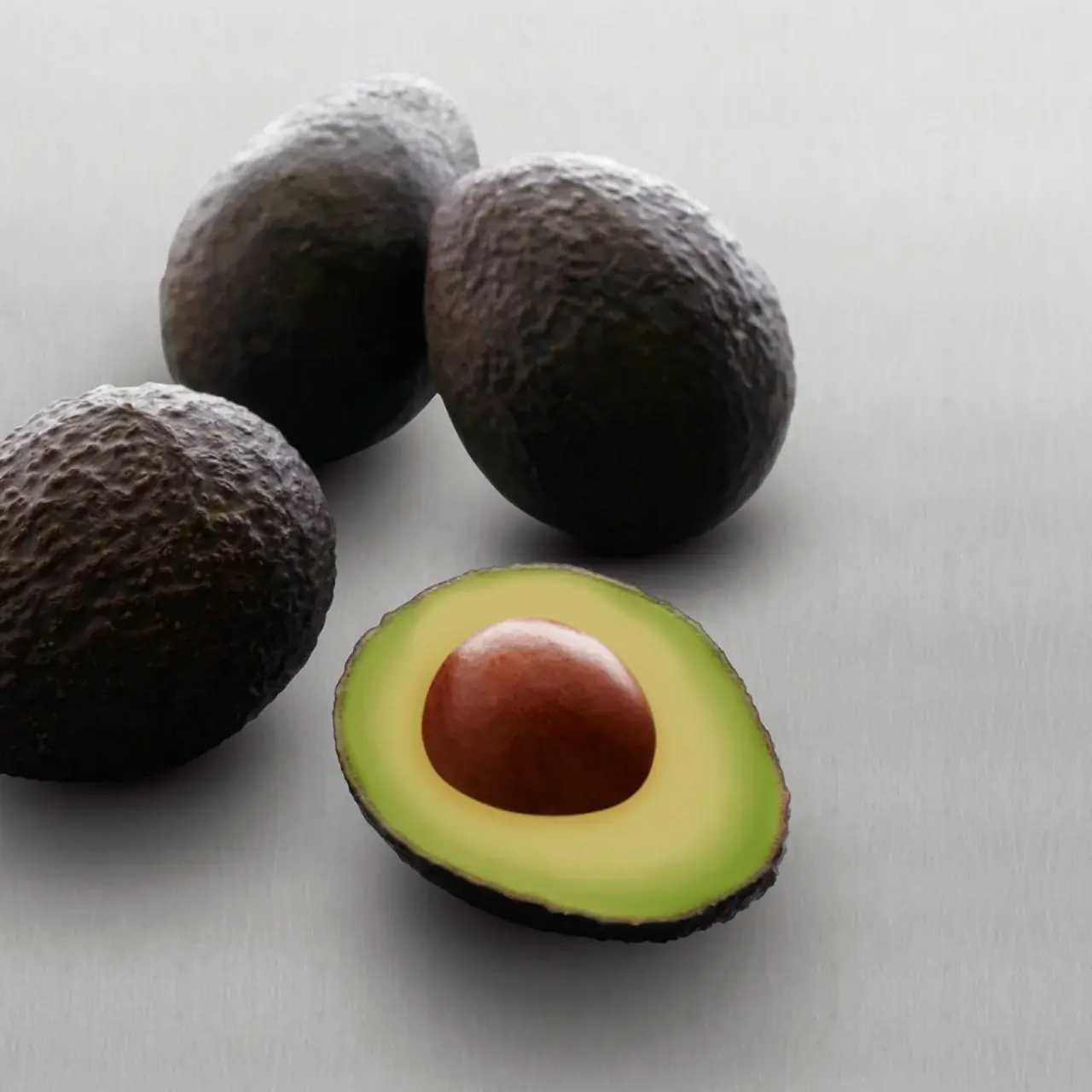
Eating Avocado Before Bed — Here’s How It Affects Your Sleep

What Really Happens to Your Body When You Eat Japanese Sweet Potatoes Regularly?
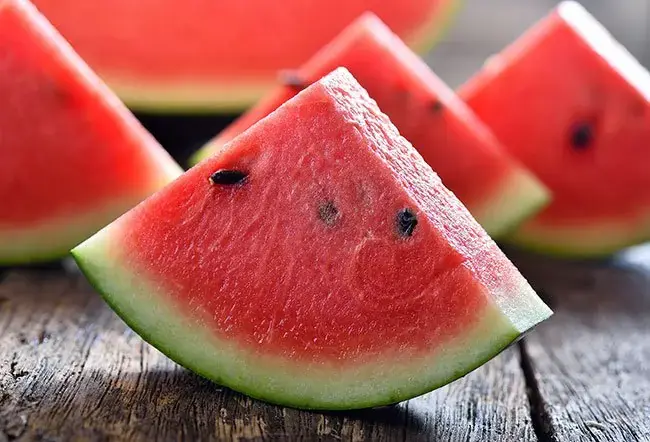
5 Health Benefits of Eating Watermelon Seeds

Chicken Breast Lovers, Take Note: Here’s What Happens to Your Body

Daily Ginger Intake: What It Does to Your Body Might Shock You

Do you know anyone with this ear mark? See what it means...

What Doctors Found Was Unexpected

Grows everywhere, but most people have no idea this plant is a real treasure…

Are You in the Group That Shouldn’t Eat Eggplant? 9 Surprising Cases

Why Eating Cassava Root Is Good for You

19 Skin Conditions That Can Cause Concerning Red Spots

Ages 46 – 55: 10 Health Warning Signs Associated With Increased Stroke Risk
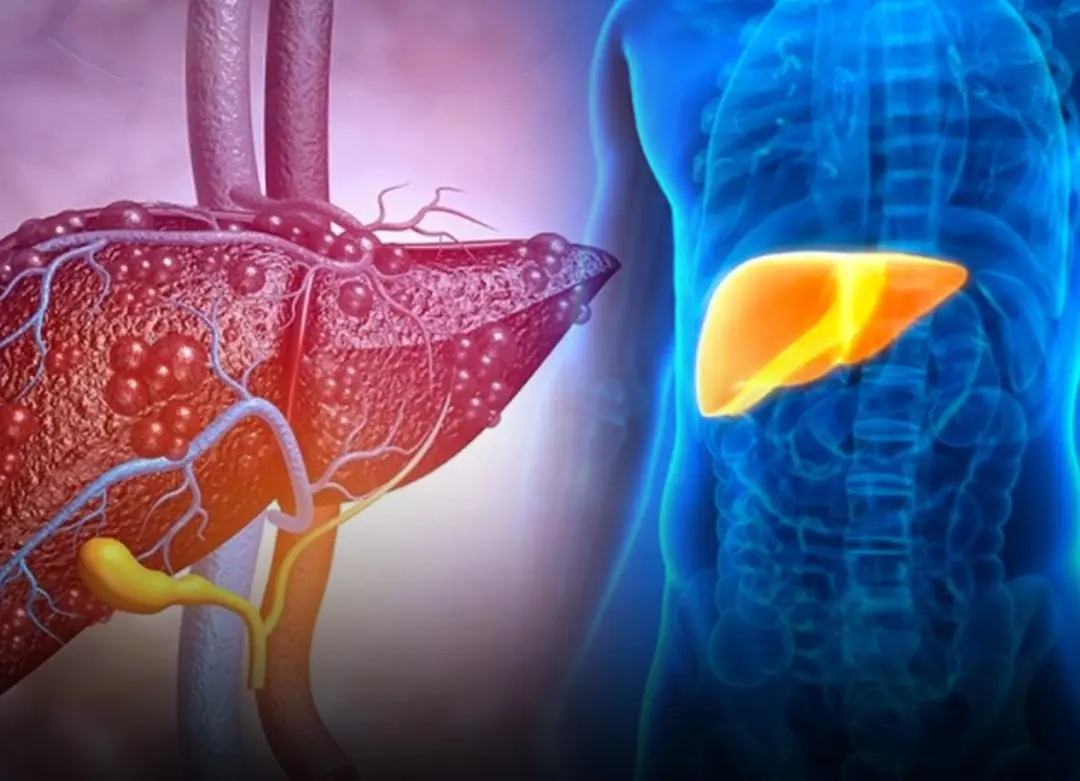
If You Experience These Symptoms, Your Liver Health May Be at Risk
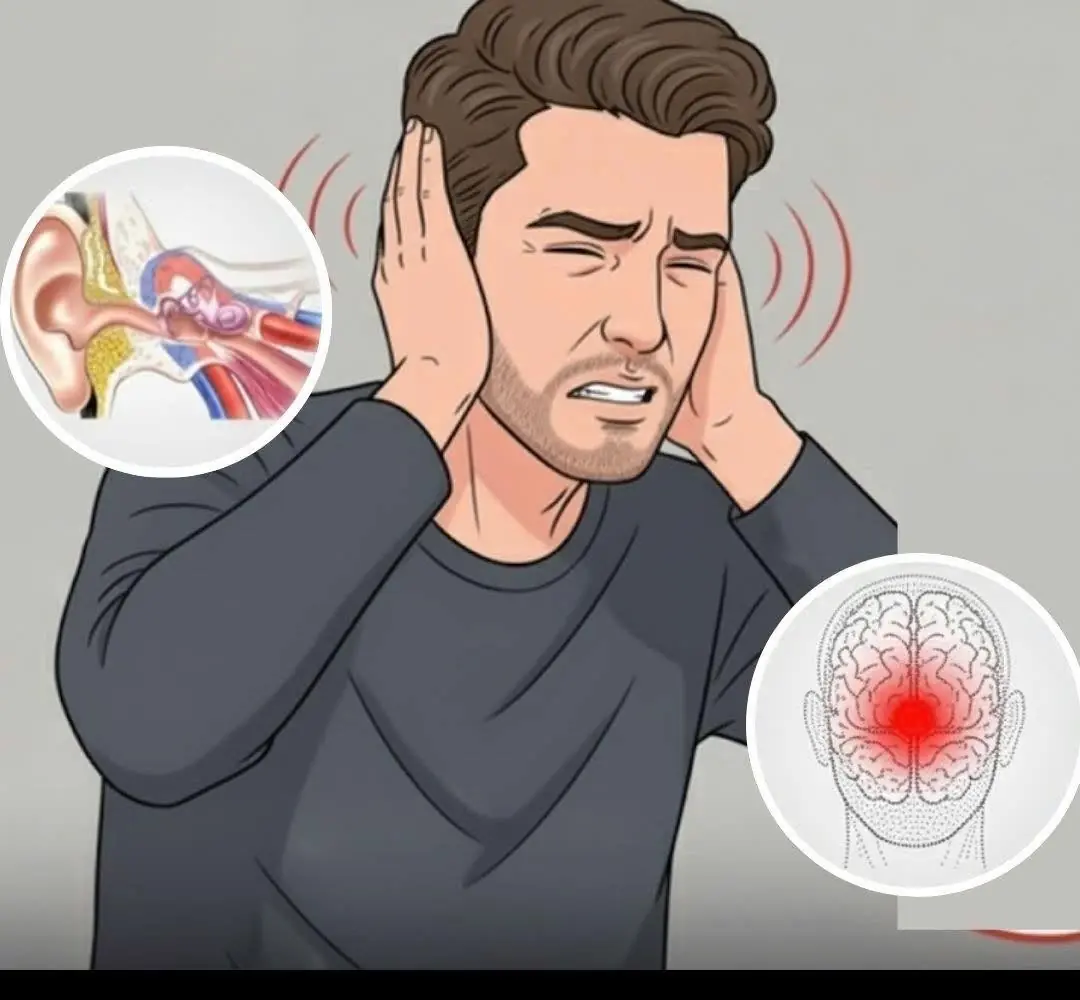
If you often notice ringing in your ears, this might be a sign that you will suffer from ...

The body may simply be completing a sleep cycle and struggling to return to sleep.

3 Sleep-Time Symptoms That Could Be Worth Checking Out

Waking Up to Pee at Night? Here Are 6 Possible Reasons
Eat Yogurt Before Bed? Here Are 8 Surprising Benefits

6 Early Signs of Stroke a Week Before — How to Respond

What a Scalloped Tongue Might Be Telling You About Your Health

One person boils water wrong — the whole family at risk? 3 hidden boiling habits to avoid

Do Your Nails Keep Breaking or Splitting? It Could Be a Warning Sign From Your Body.

Your Breakfast Might Be Doing More Harm Than Good
This Common Symptom Should Not Be Overlooked