6 Warning Signs of a Stroke One Week Before It Happens — and What to Do
A stroke rarely comes out of nowhere. In many cases, the body sends out subtle warning signals days—even a week—before a major event occurs. The problem? These signs are often ignored, misunderstood, or mistaken for minor issues.
Understanding these early symptoms can make a life-saving difference. Acting quickly doesn’t just reduce damage—it can be the difference between recovery and long-term disability.
Why Early Warning Signs Matter
A stroke occurs when blood flow to part of the brain is interrupted, either due to a blockage (ischemic stroke) or bleeding (hemorrhagic stroke). Before a full stroke, some people experience what’s known as a transient ischemic attack (TIA)—often called a “mini-stroke.”
These episodes are temporary, but they are serious red flags.
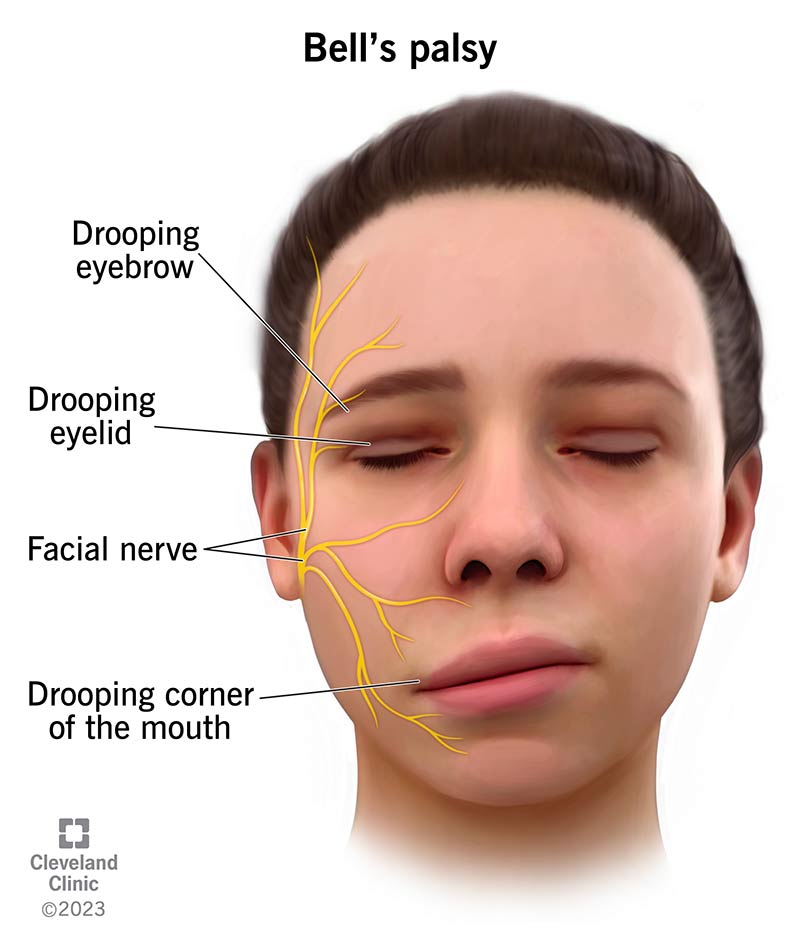
1. Sudden Numbness or Weakness (Especially on One Side)
One of the most common early signs is a sudden feeling of numbness or weakness, particularly affecting:
- The face
- One arm
- One leg
This symptom often appears on one side of the body. It may come and go, which makes it easy to dismiss—but that’s exactly what makes it dangerous.
2. Trouble Speaking or Understanding Speech
Difficulty speaking clearly or understanding others is another key warning sign.
This may include:
- Slurred speech
- Trouble finding words
- Confusion during simple conversations
If speech suddenly feels “off,” even briefly, it should never be ignored.

 4
4
3. Sudden Vision Problems
Changes in vision can happen quickly and without warning. This might involve:
- Blurred vision
- Double vision
- Temporary loss of vision in one or both eyes
These symptoms may last only a few minutes, but they are critical warning signs.
4. Severe Headache With No Clear Cause
A sudden, intense headache—often described as the worst headache ever experienced—can signal a stroke, particularly a hemorrhagic one.
Unlike regular headaches, this type:
- Comes on rapidly
- Feels unusually severe
- May be accompanied by nausea or dizziness
5. Dizziness, Loss of Balance, or Coordination
Feeling suddenly unsteady or dizzy can indicate a problem with blood flow to the brain.
Watch for:
- Difficulty walking
- Loss of coordination
- A feeling of spinning or imbalance
These symptoms may be brief but should not be ignored.
6. Unusual Fatigue or Confusion
In the days leading up to a stroke, some people report unexplained fatigue or mental fog.
This can include:
- Sudden exhaustion without reason
- Difficulty concentrating
- Feeling disoriented
While these symptoms are less specific, they can still be part of the warning pattern.
What Should Be Done Immediately?
If any of these symptoms appear—even if they disappear quickly—urgent action is critical.
Follow the FAST rule:
- F (Face): Ask the person to smile. Does one side droop?
- A (Arms): Ask them to raise both arms. Does one drift downward?
- S (Speech): Is speech slurred or strange?
- T (Time): Call emergency services immediately
Time is the most important factor in stroke treatment. The faster the response, the better the outcome.
Who Is at Higher Risk?
Certain factors increase the likelihood of a stroke:
- High blood pressure
- Smoking
- Diabetes
- High cholesterol
- Sedentary lifestyle
- Chronic stress
Managing these risk factors significantly reduces the chances of a stroke occurring.
Final Thoughts
A stroke doesn’t always strike without warning. The body often sends signals—but they are easy to overlook.
Recognizing these six early signs and responding quickly can save a life or prevent serious complications. Awareness is not just helpful—it’s essential.
When something feels off, it’s better to act immediately than to wait. Because when it comes to a stroke, every second truly counts.