Scalloped Tongue: A Subtle but Powerful Sign Your Body Might Be Sending You
At first glance, the tongue may seem like just another part of the body with a simple role in taste and speech. But in reality, it is a highly sensitive indicator of internal health. One particular condition—a scalloped tongue, where the edges appear wavy or indented—can reveal more than most people expect.
If those tooth-like marks along the sides of the tongue have been showing up, it might not just be a random occurrence. It could be a signal worth paying attention to.
What Is a Scalloped Tongue?
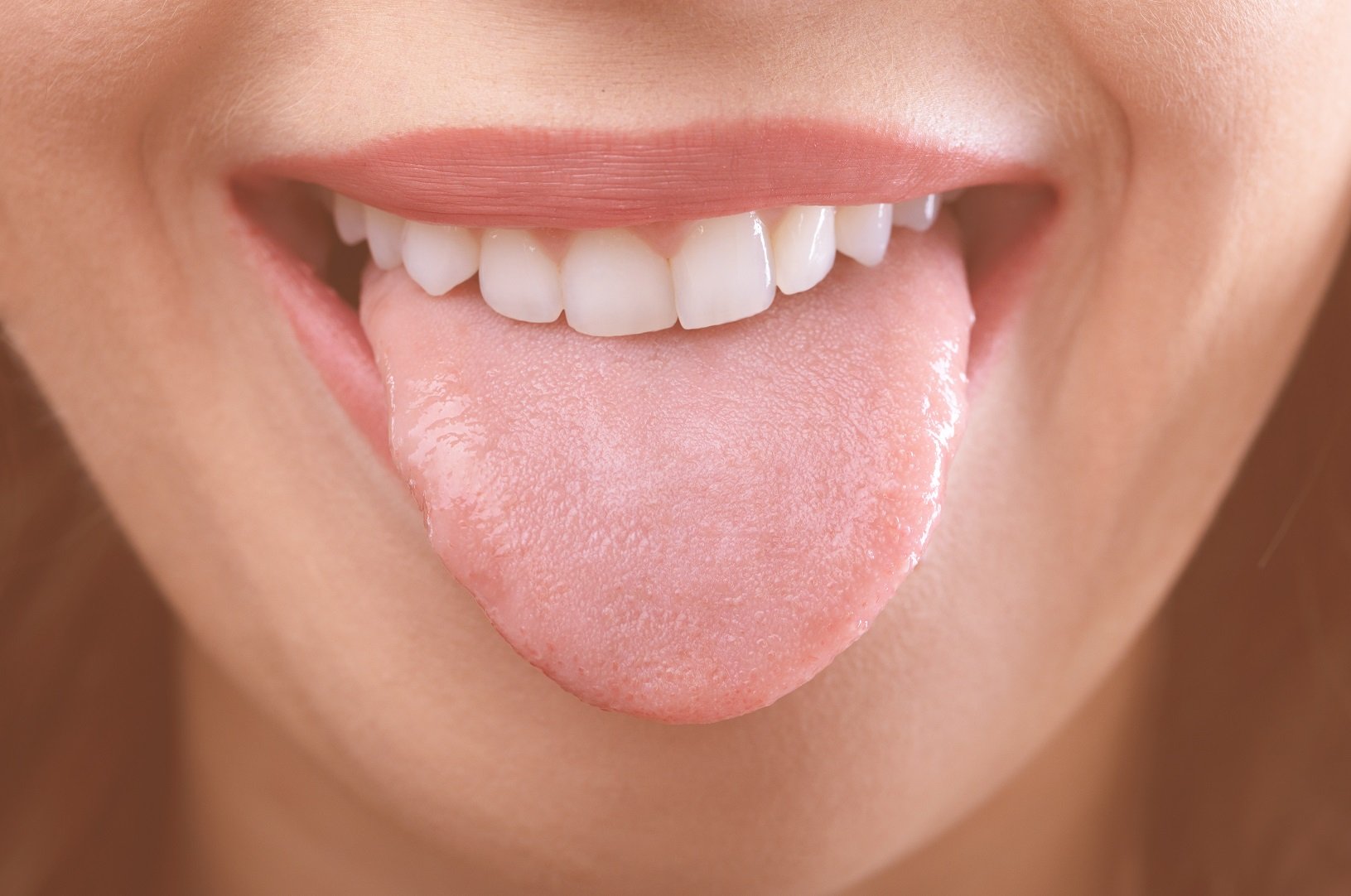
A scalloped tongue, also known as a crenated tongue, occurs when the tongue presses against the teeth for prolonged periods. This pressure creates visible indentations along the edges, giving it a rippled or “scalloped” appearance.
While it may look harmless, it often points to underlying issues—most commonly tongue swelling (macroglossia) or habitual pressure from surrounding structures.
Why Does It Happen?
The causes of a scalloped tongue are varied, ranging from lifestyle habits to medical conditions. Understanding these causes is key to identifying whether it’s something minor or something that needs attention.
1. Tongue Swelling (Macroglossia)
One of the most direct causes is an enlarged tongue. When the tongue becomes slightly bigger than usual, it naturally presses against the teeth, leaving those characteristic marks.
Possible triggers include:
- Allergic reactions
- Inflammatory conditions
- Fluid retention
Even mild swelling can create visible indentations over time.
2. Teeth Clenching and Grinding (Bruxism)
Many people unknowingly clench or grind their teeth, especially during sleep. This condition, known as bruxism, puts constant pressure on the tongue.
Over time, this leads to:
- Indentations along the tongue edges
- Jaw tension
- Headaches upon waking
Stress and anxiety are major contributors to this habit.
 4
4
3. Nutritional Deficiencies
A scalloped tongue can also be linked to deficiencies in essential nutrients, particularly:
- Vitamin B complex
- Iron
These deficiencies may cause inflammation or changes in tongue tissue, making it more prone to swelling and indentation.
4. Sleep Apnea and Airway Issues
Surprisingly, a scalloped tongue is sometimes associated with obstructive sleep apnea. In this condition, airway obstruction during sleep can cause the tongue to shift position or enlarge slightly.
Signs to watch for:
- Loud snoring
- Daytime fatigue
- Interrupted sleep
If these symptoms appear alongside a scalloped tongue, it may be worth investigating further.
5. Dehydration and Electrolyte Imbalance
When the body lacks proper hydration or electrolyte balance, tissues—including the tongue—can become slightly swollen or altered in texture.
This subtle change can lead to:
- Dry mouth
- Tongue enlargement
- Visible edge indentations
When Is It a Concern?
A scalloped tongue is not always dangerous. In many cases, it’s temporary and harmless. However, it becomes more concerning when it is:
- Persistent over weeks or months
- Accompanied by pain or discomfort
- Linked with fatigue, weight changes, or sleep issues
These signs suggest that the body may be dealing with something deeper.
How to Improve and Prevent It
Addressing a scalloped tongue starts with identifying the root cause. Some practical steps include:
Manage stress
Reducing anxiety can help minimize teeth grinding and jaw tension.
Stay hydrated
Proper water intake supports overall tissue health.
Improve nutrition
A balanced diet rich in vitamins and minerals helps maintain healthy tongue tissue.
Check sleep quality
If sleep apnea is suspected, seeking professional evaluation is important.
Maintain oral health
Regular dental checkups can help detect habits like bruxism early.
Final Thoughts
The tongue is often described as a “mirror” of the body’s internal state. A scalloped tongue, while subtle, can carry meaningful clues about health—from stress and nutrition to sleep and systemic conditions.
Instead of dismissing it as a minor cosmetic issue, it’s worth taking a closer look. Small signs like these can provide early warnings, allowing for timely adjustments before bigger problems develop.
Sometimes, the body doesn’t shout—it leaves quiet imprints. And in this case, those imprints might be right along the edges of the tongue.