Age 46–55: A High-Risk Window for Stroke? 10 Early Warning Signs You Should Never Ignore
The age range of 46 to 55 is often considered a turning point in health. Careers are stable, life is busy, and responsibilities are high—but this is also when the body begins to show early signs of wear and imbalance.
When it comes to stroke risk, this period can be critical. The problem is, warning signs often appear quietly and are easy to dismiss as stress or fatigue.
Recognizing these early signals can make all the difference.
Why This Age Range Matters
As the body ages, several risk factors tend to increase:
- Blood pressure may rise
- Cholesterol levels can worsen
- Blood vessels become less flexible
- Lifestyle stress accumulates
Together, these create the perfect conditions for cardiovascular issues, including stroke.
10 Early Warning Signs to Watch Closely
These signs don’t always happen all at once—but even a few of them appearing repeatedly should raise attention.
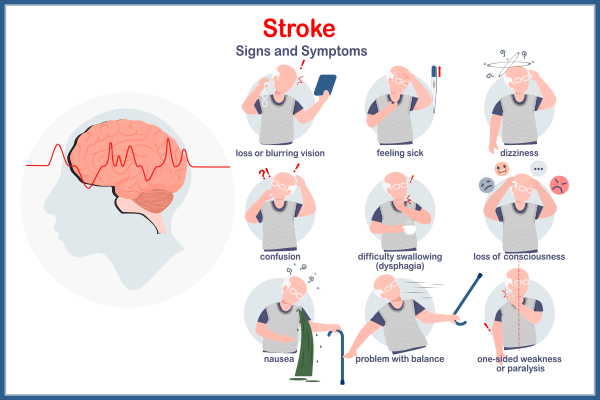
1. Sudden Numbness or Weakness
Especially on one side of the body—face, arm, or leg. This is one of the most classic early indicators.
2. Frequent Headaches (Unusual or Severe)
Not just regular headaches, but ones that feel different, stronger, or more persistent than usual.
3. Dizziness or Loss of Balance
Feeling unsteady, lightheaded, or having trouble coordinating movements can signal reduced blood flow to the brain.

 4
4
4. Vision Problems
Blurred vision, double vision, or sudden loss of sight in one eye should never be ignored.
5. Difficulty Speaking
Slurred speech, trouble finding words, or confusion during conversations are key red flags.
6. Chest Discomfort or Tightness
While often linked to heart issues, chest discomfort can also indicate broader cardiovascular problems tied to stroke risk.
7. Unexplained Fatigue
Extreme tiredness without clear reason—especially if it appears suddenly—can be an early warning.
8. Tingling Sensations
Pins-and-needles feelings, particularly on one side of the body, may indicate nerve or circulation issues.
9. Shortness of Breath
Difficulty breathing during normal activities may signal underlying heart or vascular strain.
10. Sudden Confusion or Memory Issues
Moments of disorientation, forgetfulness, or difficulty understanding simple things can be subtle but serious signs.
Who Is at Higher Risk?
Some individuals are more prone to experiencing these warning signs, especially if they have:
- High blood pressure
- Diabetes
- High cholesterol
- Smoking habits
- Sedentary lifestyle
- Chronic stress
The combination of these factors significantly increases stroke risk during midlife.
What Should Be Done Immediately?
If any of the major symptoms appear suddenly:
Act FAST:
- Face: Check for drooping
- Arms: Check for weakness
- Speech: Listen for slurring
- Time: Call emergency services immediately
Even if symptoms disappear quickly, it could be a transient ischemic attack (TIA)—a serious warning of a future stroke.
How to Reduce the Risk
Prevention is powerful, especially during this age window.
Control blood pressure
This is the single most important factor.
Eat heart-healthy foods
Focus on whole foods, reduce salt and unhealthy fats.
Exercise regularly
Even moderate activity improves circulation.
Manage stress
Chronic stress directly impacts vascular health.
Avoid smoking and limit alcohol
Both significantly increase stroke risk.
Final Thoughts
The message isn’t to create fear—it’s to build awareness.
Ages 46–55 can be a high-risk period, but it’s also the best time to take control. The body often gives early signals before something serious happens.
Recognizing those signals, making small changes, and acting quickly when needed can protect not just health—but life itself.
Sometimes, prevention starts with simply paying attention.