
Vitamin D Deficiency Can Show Up in Surprising Ways - Here Are 12 Symptoms to Know
Vitamin D Deficiency: 12 Unusual Warning Signs Your Body May Be Sending
Health 03/06/2026 16:39

Gout is one of the most common forms of inflammatory arthritis, affecting millions of people worldwide. Once considered a condition associated mainly with older adults and rich diets, gout is now becoming increasingly common across a wider range of age groups.
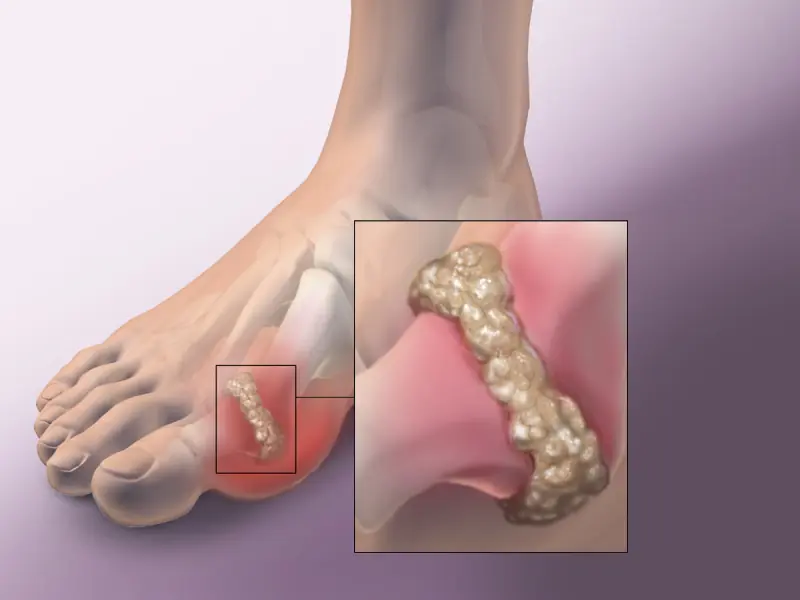
If you've ever experienced a gout attack, you know how painful it can be. The condition often strikes suddenly, causing intense pain, swelling, redness, and tenderness in the joints—most commonly in the big toe.
While genetics, age, and certain medical conditions can contribute to gout, diet also plays an important role. Understanding which foods may trigger flare-ups can help many people better manage their symptoms and reduce the frequency of attacks.
Gout develops when levels of uric acid in the blood become too high.
Normally, uric acid dissolves in the bloodstream and is removed through the kidneys. However, when the body produces too much uric acid or cannot eliminate enough of it, sharp uric acid crystals can form and accumulate in the joints.
These crystals trigger inflammation, leading to the sudden and often severe symptoms associated with gout.
Certain foods are rich in compounds called purines. When the body breaks down purines, uric acid is produced.
People with gout are often advised to limit foods that are particularly high in purines.
Organ meats are among the highest-purine foods available.
Examples include:
Because they can significantly increase uric acid production, these foods are often discouraged for people with gout.
While seafood can be part of a healthy diet, some varieties contain high levels of purines.
Examples include:
People prone to gout attacks may benefit from limiting these foods, especially during periods when symptoms are active.

Beef, lamb, and pork contain moderate to high amounts of purines.
Regular consumption of large portions may contribute to elevated uric acid levels and increase the risk of gout flare-ups.
Choosing lean protein sources and practicing portion control may help reduce this risk.
Soft drinks and sweetened beverages are strongly associated with increased gout risk.
Many contain high-fructose corn syrup or other added sugars that can stimulate uric acid production.
Common examples include:
Replacing these beverages with water may benefit both gout management and overall health.
Alcohol can interfere with the body's ability to remove uric acid efficiently.
Beer is often considered particularly problematic because it contains both alcohol and purines.
Heavy alcohol consumption may significantly increase the likelihood of gout attacks.
Many processed foods contain excessive amounts of sugar, unhealthy fats, and refined carbohydrates.
Although they may not all be high in purines, they can contribute to obesity and metabolic problems that increase gout risk.
Examples include:
Fortunately, not all foods increase gout risk.
Research suggests that some dietary choices may help support healthy uric acid levels.
Studies suggest that low-fat milk and yogurt may be associated with a lower risk of gout.
Most fruits and vegetables are considered safe for people with gout.
Cherries, in particular, have attracted attention because some studies suggest they may help reduce the frequency of gout attacks.
Whole grains provide fiber and nutrients that support overall health and may help maintain a healthy weight.
Staying well hydrated helps the kidneys remove excess uric acid more efficiently.
Many healthcare professionals recommend increasing water intake as part of a gout management plan.
Diet is only one piece of the puzzle.
Additional factors that may increase gout risk include:
Managing these conditions may help reduce the likelihood of future attacks.
In addition to making dietary changes, consider these habits:
Even small lifestyle improvements can make a meaningful difference over time.
If you experience:
It's important to seek medical evaluation.
Effective treatments are available, and early management can help prevent long-term joint damage.
Gout is becoming increasingly common, but many flare-ups can be reduced through proper management. Foods such as organ meats, certain seafood, red meat, sugary drinks, excessive alcohol, and highly processed foods may contribute to elevated uric acid levels and increase the risk of painful attacks.
By choosing a balanced diet, staying hydrated, maintaining a healthy weight, and following medical advice, many people can successfully manage gout and enjoy a better quality of life.
Sources: Mayo Clinic, Cleveland Clinic, Arthritis Foundation, National Institute of Arthritis and Musculoskeletal and Skin Diseases (NIAMS), and Harvard Health Publishing.
Vitamin D Deficiency: 12 Unusual Warning Signs Your Body May Be Sending
If You're Managing Gout, Consider Being Cautious With These Foods

Want to Support Ovarian Health Naturally? Start With These 3 Simple Foods







Could Your Body Be Trying to Tell You Something? Here Are 8 Signs



7 Doctor-Recommended Exercises to Help Relieve Heel Discomfort
Many People Eat Walnuts Without Realizing These Potential Health Benefits

These 2 Foot Changes Could Be Your Body's Early Warning System



If You Keep Waking Up at 2 a.m., Your Body May Be Sending an Important Warning Sign
Vitamin D Deficiency: 12 Unusual Warning Signs Your Body May Be Sending
If You're Managing Gout, Consider Being Cautious With These Foods
Want to Support Ovarian Health Naturally? Start With These 3 Simple Foods


Could Your Body Be Trying to Tell You Something? Here Are 8 Signs
7 Doctor-Recommended Exercises to Help Relieve Heel Discomfort
Many People Eat Walnuts Without Realizing These Potential Health Benefits