There’s a lot of buzz online about certain foods that can “ki.ll cancer” immediately after eating them. While this claim is not scientifically accurate - no single food can instantly destroy cancer cells - research has shown that some foods contain compounds that support the body’s natural defenses, reduce cancer risk, and complement conventional treatments. Incorporating these foods into your diet can promote overall health and potentially slow the development or progression of cancer.
Here’s a detailed look at seven scientifically supported anti-cancer foods and how they help your body fight disease.
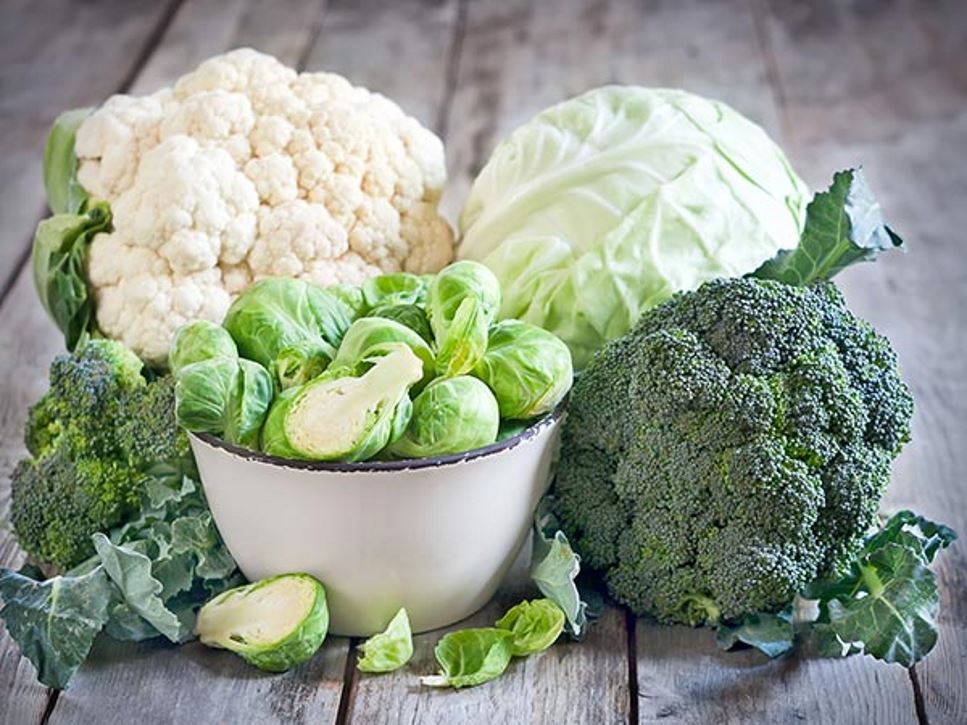
1. Cruciferous Vegetables (Broccoli, Cauliflower, Cabbage, Kale)
Cruciferous vegetables are among the most studied for their cancer-preventive properties. They contain sulforaphane and indole-3-carbinol, compounds that may help detoxify harmful substances in the body and protect cells from DNA damage.
Benefits:
-
Supports liver detoxification
-
Helps reduce inflammation
-
May slow the growth of cancer cells in lab studies
How to eat:
-
Steam or lightly sauté broccoli or kale to preserve their nutrients.
-
Add shredded cabbage to salads or stir-fries.
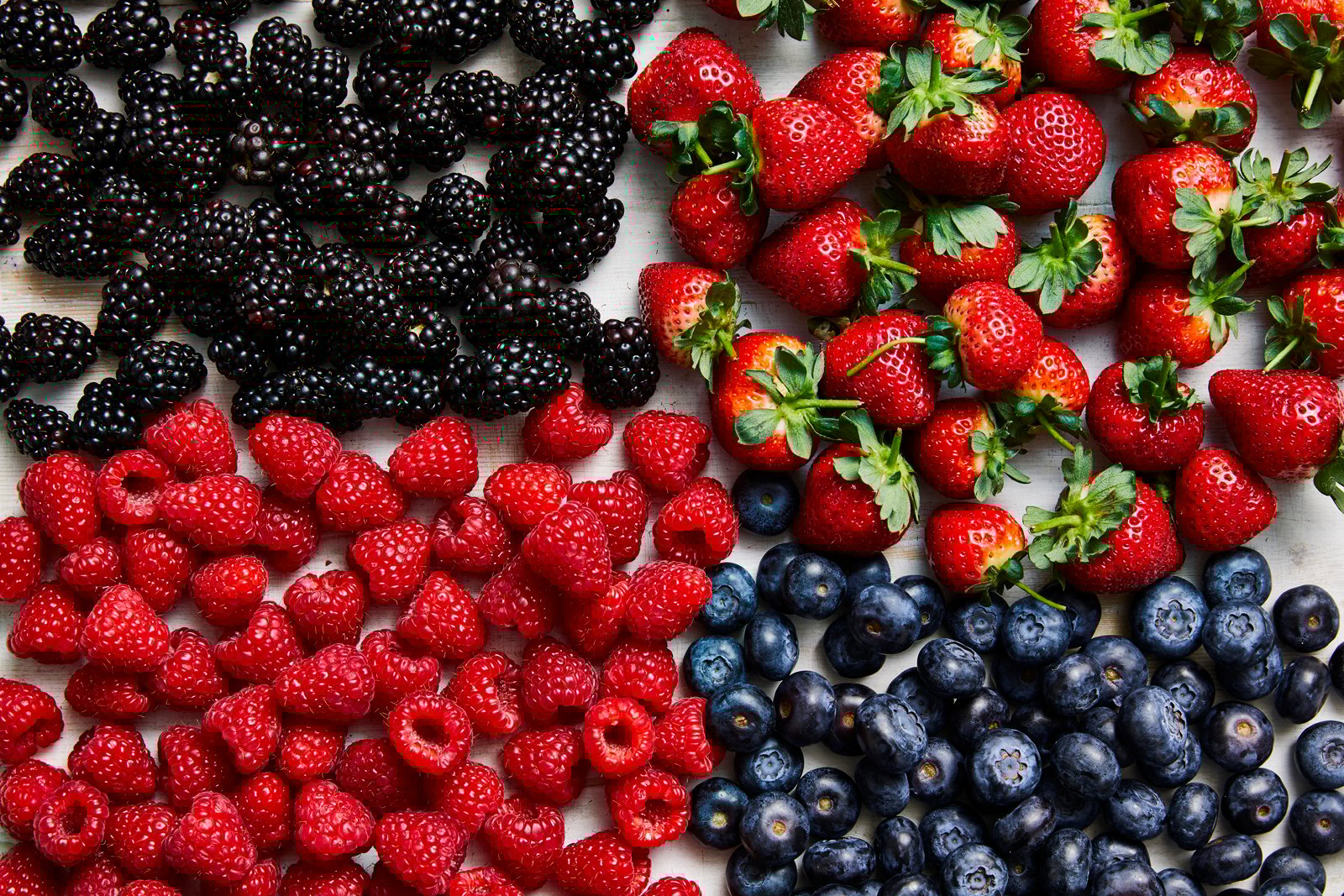
2. Berries (Blueberries, Strawberries, Raspberries)
Berries are rich in antioxidants like vitamin C, ellagic acid, and flavonoids. Antioxidants neutralize free radicals, which can damage DNA and increase cancer risk.
Benefits:
-
Protects cells from oxidative stress
-
Supports immune function
-
May inhibit tumor growth in experimental studies
How to eat:
-
Add fresh or frozen berries to smoothies, yogurt, or oatmeal.
-
Snack on a handful of berries instead of processed sweets.
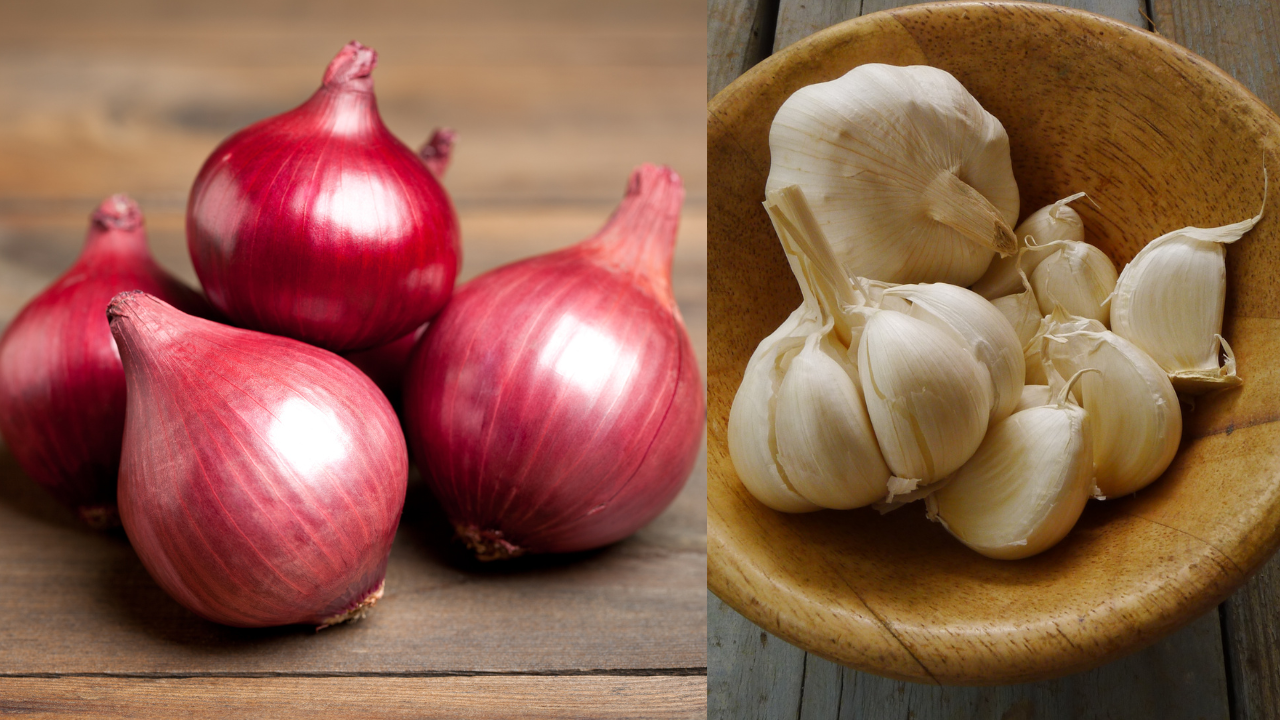
3. Garlic and Onions
Garlic, onions, leeks, and shallots contain organosulfur compounds that have been shown to help reduce inflammation and support immune function. Some research suggests these compounds may interfere with cancer cell growth.
Benefits:
-
Boosts the immune system
-
Reduces inflammation
-
May slow cancer cell proliferation in lab studies
How to eat:
-
Add fresh garlic to dressings, sauces, and stir-fries.
-
Use onions in soups, stews, and roasted vegetable dishes.
4. Tomatoes
Tomatoes are rich in lycopene, a powerful antioxidant that gives them their red color. Lycopene has been studied for its potential to reduce the risk of prostate and other cancers.
Benefits:
-
Protects cells from oxidative damage
-
Supports cardiovascular health
-
May reduce the risk of prostate and digestive cancers
How to eat:
-
Eat fresh tomatoes in salads or sandwiches.
-
Cooked tomato sauces and soups increase lycopene availability.
5. Leafy Greens (Spinach, Swiss Chard, Arugula)
Leafy greens contain vitamins, minerals, and phytochemicals that support overall health and may help protect against cancer. They are also low in calories and high in fiber.
Benefits:
-
High in antioxidants and anti-inflammatory compounds
-
Supports digestion and healthy gut microbiota
-
May help prevent DNA damage in cells
How to eat:
-
Make salads, smoothies, or stir-fries with fresh greens.
-
Add spinach or Swiss chard to soups and omelets.
6. Turmeric
Turmeric contains curcumin, a compound with strong anti-inflammatory and antioxidant properties. Studies suggest that curcumin can help regulate cell growth and reduce inflammation that may contribute to cancer development.
Benefits:
-
Anti-inflammatory and antioxidant
-
Supports immune function
-
May inhibit cancer cell proliferation in experimental studies
How to eat:
-
Add turmeric powder to curries, soups, and stews.
-
Mix with warm milk or water for a soothing turmeric drink.
7. Green Tea
Green tea contains catechins, particularly EGCG (epigallocatechin gallate), which may help reduce inflammation and protect cells from oxidative damage. Regular consumption has been linked to a lower risk of certain cancers, including breast and prostate cancer.
Benefits:
-
Rich in antioxidants
-
Supports immune system
-
May slow tumor growth in lab studies
How to drink:
-
Drink 2–3 cups of unsweetened green tea daily.
-
Avoid over-boiling water to preserve the antioxidants.
Practical Tips for Incorporating Anti-Cancer Foods
1. Eat a Variety: Combining multiple anti-cancer foods in your diet ensures you get a wide range of protective compounds.
2. Minimize Processed Foods: Reduce consumption of processed meats, sugary foods, and fried items, which can increase cancer risk.
3. Cook Smart: Lightly steaming or sautéing vegetables preserves nutrients better than overcooking.
4. Consistent Intake: Daily consumption of these foods provides the best long-term benefits.
5. Pair with a Healthy Lifestyle: Exercise regularly, maintain a healthy weight, avoid smoking, and limit alcohol consumption to maximize protection.
Conclusion: Food as a Complement, Not a Cure
While these seven foods cannot instantly kill cancer, they support your body’s natural defenses, reduce the risk of cancer, and can complement medical treatments. Incorporating these nutrient-rich foods into your daily diet, along with a healthy lifestyle, helps protect your cells, reduce inflammation, and promote overall well-being.
Remember, no single food is a miracle cure, but consistent, balanced nutrition can be a powerful tool in cancer prevention and health maintenance. Always consult healthcare professionals if you have concerns about cancer or are undergoing treatment.