Walnuts have been enjoyed for thousands of years and are often considered one of the most nutritious nuts available. With their distinctive brain-like appearance and rich, earthy flavor, walnuts have earned a reputation as a "superfood" due to their impressive nutrient profile.
In recent decades, scientists have conducted numerous studies exploring how regular walnut consumption may affect overall health. Researchers have examined their potential impact on heart health, brain function, inflammation, weight management, gut health, and healthy aging.
While no single food can guarantee perfect health, evidence suggests that walnuts may offer several benefits when included as part of a balanced diet.
Let's take a closer look at what science currently says about eating walnuts regularly.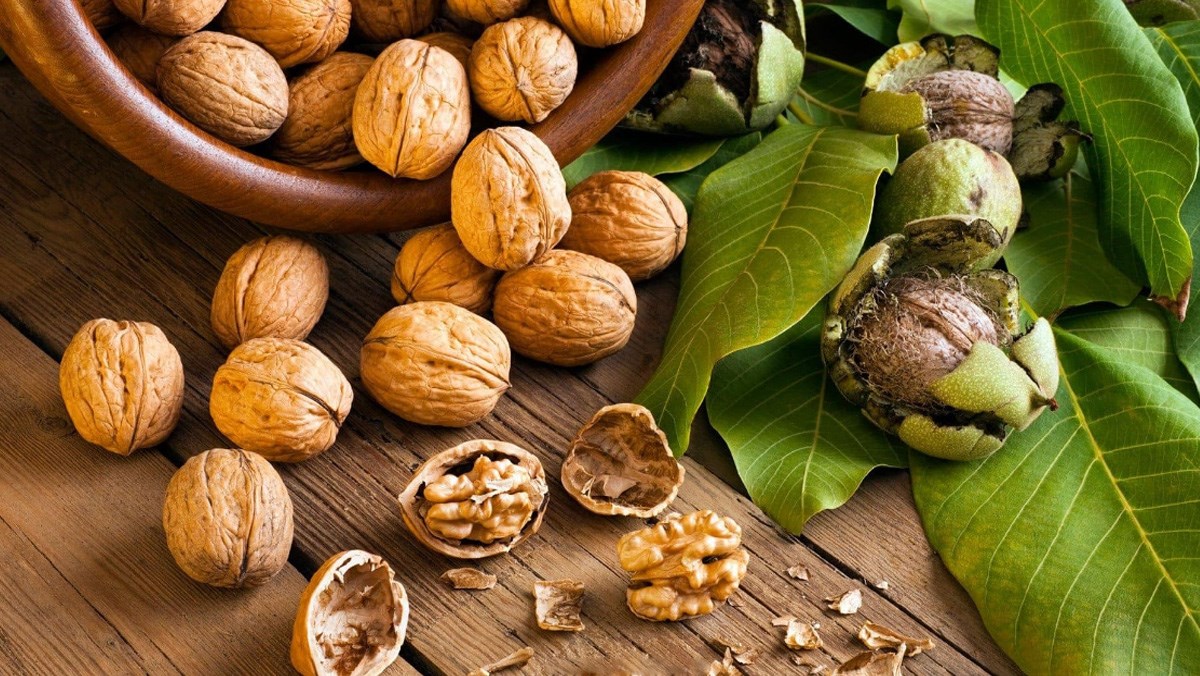
What Makes Walnuts So Nutritious?
Walnuts are packed with nutrients that support many bodily functions.
A typical serving of walnuts contains:
-
Healthy fats
-
Plant-based protein
-
Dietary fiber
-
Magnesium
-
Copper
-
Manganese
-
Vitamin B6
-
Folate
-
Antioxidants
One of the most notable features of walnuts is their high concentration of omega-3 fatty acids.
Unlike many other nuts, walnuts are particularly rich in alpha-linolenic acid (ALA), a plant-based omega-3 fat.
1. Walnuts May Support Heart Health
One of the most widely studied benefits of walnuts involves cardiovascular health.
Researchers have found that walnuts contain several compounds associated with heart health, including:
-
Omega-3 fatty acids
-
Antioxidants
-
Polyphenols
-
Fiber
Potential Benefits
Studies suggest that regular walnut consumption may help support:
-
Healthy cholesterol levels
-
Blood vessel function
-
Normal blood pressure
-
Healthy circulation
Why Omega-3 Fats Matter
Omega-3 fatty acids play an important role in maintaining cardiovascular health.
They help support normal inflammatory responses and contribute to overall heart function.
Because walnuts are one of the richest plant sources of omega-3 fats, they are often included in heart-conscious eating plans.
2. Walnuts May Benefit Brain Function
The shape of a walnut has long led people to associate it with the brain.
Interestingly, modern research has also explored potential connections between walnut consumption and cognitive health.
Nutrients Involved
Walnuts contain:
-
Omega-3 fatty acids
-
Polyphenols
-
Vitamin E
-
Antioxidants
These compounds help protect cells from oxidative stress.
Areas Being Studied
Researchers continue investigating whether walnuts may help support:
-
Memory
-
Learning
-
Cognitive performance
-
Healthy brain aging
While more research is needed, current findings are encouraging.
3. They Are Rich in Powerful Antioxidants
Oxidative stress occurs when unstable molecules known as free radicals damage cells.
Over time, oxidative stress may contribute to aging and various chronic diseases.
Walnuts contain numerous antioxidant compounds, including:
-
Polyphenols
-
Vitamin E
-
Melatonin
Why Antioxidants Matter
Antioxidants help neutralize free radicals and protect cells from damage.
Among commonly consumed nuts, walnuts are considered one of the richest sources of antioxidants.
4. Walnuts May Help Support Healthy Aging
Healthy aging involves maintaining physical, mental, and metabolic function over time.
The nutrients found in walnuts may support several aspects of healthy aging.
Potential Contributions
Walnuts may help support:
-
Brain health
-
Heart health
-
Mobility
-
Cellular protection
Because aging is influenced by many factors, researchers are increasingly interested in foods that provide broad nutritional support.
5. Walnuts May Promote Gut Health
The gut microbiome consists of trillions of microorganisms living in the digestive tract.
Scientists have discovered that diet plays a major role in shaping these microbial communities.
How Walnuts May Help
Walnuts provide:
-
Fiber
-
Polyphenols
-
Plant compounds that nourish beneficial bacteria
Some studies suggest that regular walnut consumption may encourage the growth of beneficial gut microbes.
A healthy gut microbiome has been linked to numerous aspects of overall health.
6. They May Help With Appetite Control
Despite being calorie-dense, walnuts may help some individuals manage hunger more effectively.
Why?
Walnuts contain a combination of:
-
Healthy fats
-
Protein
-
Fiber
These nutrients can promote feelings of fullness.
Potential Benefits
People who feel satisfied after meals may be less likely to snack excessively later in the day.
This may support healthy eating habits over time.
7. Walnuts May Support Metabolic Health
Researchers have also investigated how walnuts affect metabolism.
Some studies suggest they may support:
-
Healthy blood sugar regulation
-
Insulin sensitivity
-
Overall metabolic function
This may be partly due to their combination of healthy fats, fiber, and plant nutrients.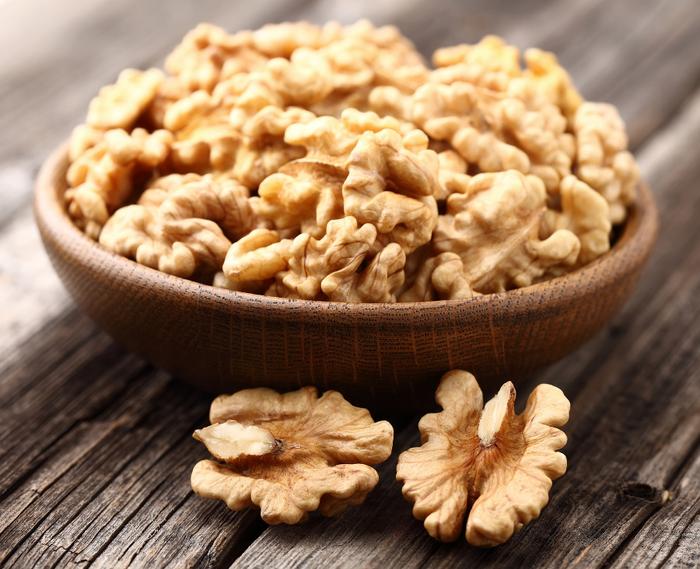
8. They Provide Plant-Based Protein
Protein is essential for:
-
Muscle maintenance
-
Tissue repair
-
Immune function
-
Enzyme production
Walnuts contribute plant-based protein that can complement other protein sources throughout the day.
Although they are not a complete protein source on their own, they can be a valuable addition to balanced meals and snacks.
9. Walnuts May Help Reduce Inflammation
Inflammation is a normal part of the body's defense system.
However, chronic low-grade inflammation has been linked to many health conditions.
Anti-Inflammatory Components
Walnuts contain:
-
Omega-3 fatty acids
-
Polyphenols
-
Antioxidants
These compounds may help support healthy inflammatory responses within the body.
Researchers continue studying the exact mechanisms involved.
10. Walnuts Are Associated With Nutrient-Dense Diets
People who regularly consume nuts often have dietary patterns that include:
-
More fruits
-
More vegetables
-
More whole grains
-
Better overall nutrient intake
While walnuts themselves offer many nutrients, they are also commonly part of broader healthy eating habits.
How Many Walnuts Should You Eat?
Moderation remains important.
Many studies evaluating walnuts use portions similar to:
-
One small handful
-
Approximately 28 grams (about 1 ounce)
This amount provides a substantial nutrient boost without excessive calorie intake.
Individual needs may vary depending on age, activity level, and overall diet.
Easy Ways to Add Walnuts to Your Diet
Walnuts are incredibly versatile.
Breakfast Ideas
-
Oatmeal with walnuts
-
Yogurt topped with walnuts
-
Smoothie bowls
Lunch Options
-
Salads
-
Grain bowls
-
Wraps
Dinner Uses
-
Crushed walnut toppings
-
Vegetable dishes
-
Whole-grain recipes
Snacks
-
Raw walnuts
-
Mixed nuts
-
Fruit and walnut combinations
Are There Any Precautions?
While walnuts are healthy for many people, there are some considerations.
Nut Allergies
Individuals with tree nut allergies should avoid walnuts unless advised otherwise by a healthcare professional.
Calorie Content
Walnuts are nutrient-dense but also calorie-dense.
Portion control may be important for individuals managing calorie intake.
Storage
Because walnuts contain healthy oils, they can become rancid if stored improperly.
Keeping them in airtight containers and cool environments helps preserve freshness.
Common Myths About Walnuts
Myth 1: Walnuts Cause Weight Gain
Research generally suggests that moderate nut consumption can fit within healthy dietary patterns.
Myth 2: Walnuts Are Too High in Fat
Walnuts are high in fat, but most of their fat comes from beneficial unsaturated fats.
Myth 3: Only Expensive Superfoods Are Healthy
Walnuts provide substantial nutritional value and are often more accessible than many trendy health foods.
The Bigger Picture
Although walnuts contain impressive nutrients, no single food determines health outcomes.
Long-term wellness depends on multiple factors, including:
-
Balanced nutrition
-
Physical activity
-
Sleep quality
-
Stress management
-
Avoiding smoking
-
Routine medical care
Walnuts work best as part of an overall healthy lifestyle rather than as a standalone solution.
Final Thoughts
Scientific research suggests that regular walnut consumption may support various aspects of health, including heart function, brain health, gut health, metabolic health, and healthy aging. Their rich combination of omega-3 fatty acids, antioxidants, fiber, vitamins, minerals, and plant compounds makes them one of the most nutrient-dense foods available.
While walnuts are not a cure for disease and should not be viewed as a miracle food, they can be a valuable addition to a balanced diet. Enjoying a moderate serving regularly may help provide important nutrients that support overall wellness and long-term health.
As always, the greatest benefits come from combining nutritious foods like walnuts with healthy lifestyle habits that promote well-being throughout life.