10 Signs You're Not Drinking Enough Water
Water is essential for nearly every function in the human body. It helps regulate temperature, transport nutrients, lubricate joints, support digestion, and remove waste products.
Yet many people go through their day mildly dehydrated without realizing it. While severe dehydration can be a medical emergency, even mild dehydration may affect your energy, mood, concentration, and overall health.
Here are 10 common signs that your body may not be getting enough water.
1. Persistent Thirst

Thirst is your body's most obvious signal that it needs more fluids.
If you frequently feel thirsty, especially throughout the day, it may indicate that your fluid intake isn't keeping up with your body's needs.
Don't wait until you're extremely thirsty to drink water—by then, mild dehydration may have already begun.
2. Dark Yellow Urine
Urine color can provide valuable clues about hydration status.
Generally:
- Pale yellow urine suggests good hydration.
- Dark yellow or amber-colored urine may indicate dehydration.
Certain medications and supplements can also affect urine color, but consistently dark urine often signals the need for more fluids.
3. Dry Mouth and Bad Breath
Saliva helps keep the mouth moist and naturally reduces bacterial growth.
When you're dehydrated, saliva production decreases, which may lead to:
- Dry mouth
- Sticky feeling in the mouth
- Bad breath
Many people are surprised to learn that inadequate hydration can contribute to unpleasant breath odors.
4. Frequent Headaches
The brain is highly sensitive to changes in hydration levels.
Even mild dehydration may trigger headaches in some individuals due to temporary changes in blood flow and fluid balance.
If headaches improve after drinking water, dehydration may have been a contributing factor.
5. Fatigue and Low Energy
Feeling tired despite getting enough sleep?
Dehydration can reduce blood volume, forcing the heart to work harder to deliver oxygen and nutrients throughout the body.
As a result, you may experience:
- Fatigue
- Low energy
- Reduced endurance
- Difficulty completing physical tasks
6. Dry Skin
Although dry skin can have many causes, inadequate hydration may contribute to skin dryness in some people.
Signs may include:
- Rough texture
- Tightness
- Reduced elasticity
Proper hydration supports overall skin health, although drinking more water alone won't solve every skin concern.
7. Dizziness or Lightheadedness
Insufficient fluid intake can sometimes cause blood pressure to drop, particularly when standing up quickly.
This may result in:
- Dizziness
- Lightheadedness
- Feeling faint
If these symptoms occur frequently or severely, medical evaluation is recommended.
8. Difficulty Concentrating
The brain relies on adequate hydration to function efficiently.
Even mild dehydration has been associated with:
- Reduced concentration
- Slower thinking
- Memory difficulties
- Mental fatigue
Many people notice improved focus after correcting dehydration.
9. Constipation
Water plays an important role in digestive health.
When fluid intake is too low, the colon absorbs more water from stool, making bowel movements harder and more difficult to pass.
Increasing water intake may help support regular digestion, especially when combined with adequate dietary fiber.
10. Muscle Cramps
Although muscle cramps can occur for various reasons, dehydration may contribute to their development, particularly during exercise or hot weather.
Water helps maintain proper electrolyte balance, which is essential for normal muscle function.
How Much Water Do You Really Need?
There is no single amount that works for everyone.
Fluid needs depend on factors such as:
- Age
- Body size
- Activity level
- Climate
- Overall health
Many experts suggest paying attention to thirst, urine color, and activity levels rather than focusing exclusively on a specific number of glasses per day.
Remember that fluids can also come from:
- Fruits
- Vegetables
- Soups
- Milk
- Other beverages
Tips to Stay Better Hydrated
Try these simple habits:
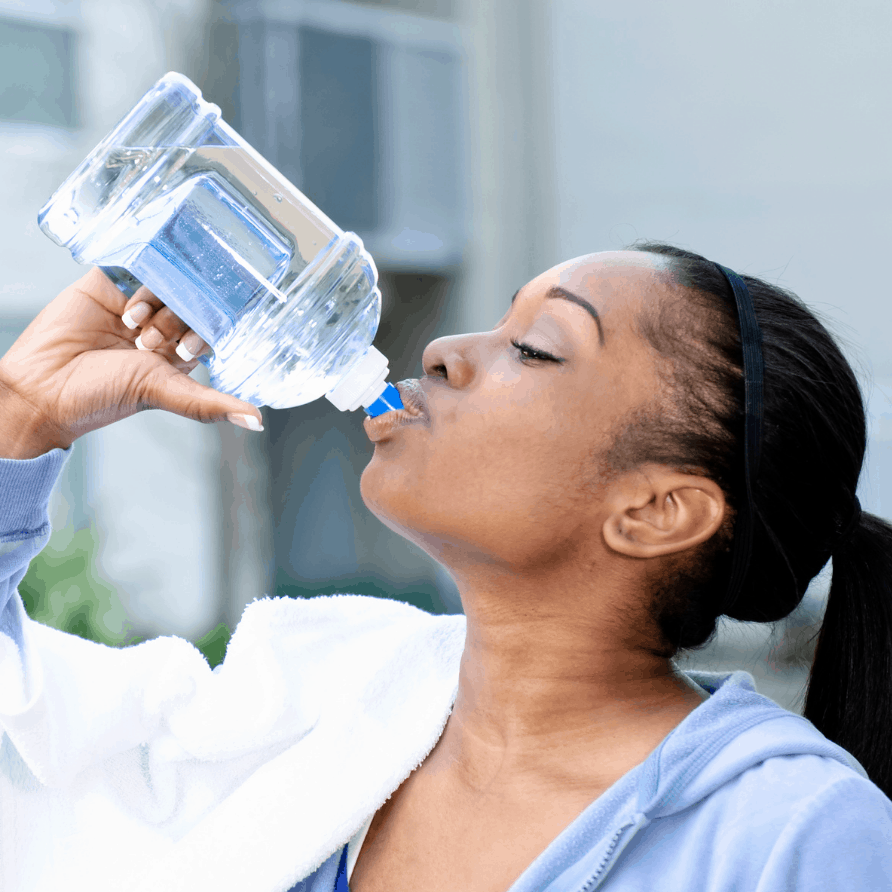
- Carry a reusable water bottle.
- Drink water with meals.
- Increase fluids during exercise.
- Consume water-rich foods such as watermelon, cucumbers, and oranges.
- Set reminders if you often forget to drink.
Small changes can make a significant difference over time.
The Bottom Line
Your body depends on water to perform countless essential functions. Persistent thirst, dark urine, headaches, fatigue, dry mouth, dizziness, poor concentration, constipation, dry skin, and muscle cramps may all be signs that you're not drinking enough water.
Fortunately, mild dehydration is often easy to correct. Paying attention to your body's signals and making hydration a daily priority can help support energy levels, digestion, cognitive function, and overall well-being.
Sources: Mayo Clinic, Cleveland Clinic, Harvard Health Publishing, National Academies of Sciences, Engineering, and Medicine.