Heart disease remains one of the leading health concerns worldwide. While many people associate heart problems with obvious symptoms such as chest pain or shortness of breath during physical activity, the reality is that the heart often sends warning signals in less obvious ways especially at night.
When the body is resting and external distractions are reduced, symptoms related to circulation and heart function may become more noticeable. Some individuals experience unusual sensations while trying to sleep, while others find themselves waking up during the night because of symptoms they do not immediately associate with heart health.
Although these symptoms do not automatically mean someone has heart disease, they can sometimes indicate that the heart is struggling to function efficiently. Recognizing these warning signs may encourage earlier medical evaluation and treatment.
Here are 5 nighttime symptoms that may deserve attention.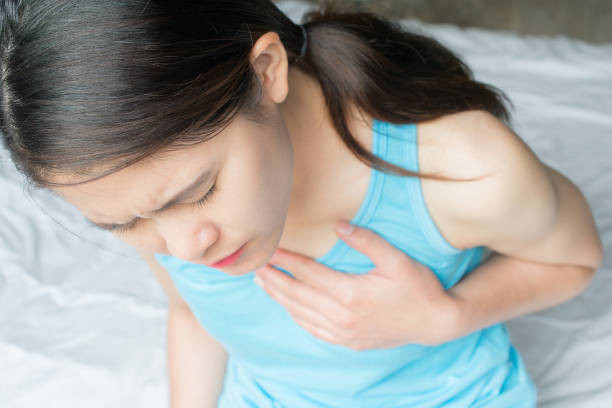
1. Shortness of Breath While Lying Down
One of the most common nighttime symptoms associated with heart problems is difficulty breathing when lying flat.
This condition is known as orthopnea.
What It Feels Like
People may notice:
-
Difficulty catching their breath
-
A feeling of chest heaviness
-
The need to prop themselves up with extra pillows
-
Relief when sitting upright
Why It Happens
When lying down, fluid in the body redistributes more evenly.
If the heart is not pumping effectively, fluid can accumulate in the lungs, making breathing more difficult.
When to Be Concerned
Persistent shortness of breath at night should always be discussed with a healthcare professional.
2. Waking Up Suddenly Gasping for Air
Some people wake abruptly from sleep feeling as though they cannot breathe.
This symptom is known as paroxysmal nocturnal dyspnea.
Common Experiences Include
-
Sudden breathlessness
-
Panic-like sensations
-
Rapid breathing
-
Sitting upright to recover
Why It May Occur
Heart failure can sometimes allow fluid to build up in the lungs while sleeping.
As the fluid accumulates, breathing becomes more difficult and may cause sudden awakening.
Although other conditions can also cause nighttime breathing problems, recurring episodes should not be ignored.
3. Unusual Heart Palpitations
Many people occasionally notice their heartbeat.
However, persistent awareness of the heart beating rapidly, forcefully, or irregularly during the night may warrant attention.
Symptoms May Include
-
Fluttering sensations
-
Racing heartbeat
-
Skipped beats
-
Thumping in the chest
Why Nighttime Makes Them More Noticeable
During quiet nighttime hours, people are more aware of internal body sensations.
Certain heart rhythm disorders may become especially noticeable while resting.
Possible Causes
Palpitations can result from:
-
Stress
-
Caffeine
-
Anxiety
-
Heart rhythm abnormalities
Persistent symptoms should be evaluated by a healthcare provider.
4. Frequent Nighttime Urination
Most people do not associate frequent urination with heart health.
However, it can sometimes occur in individuals with heart problems.
What Happens
During the day, fluid may accumulate in the legs and lower body.
When lying down at night, this fluid returns to circulation and is processed by the kidneys.
As a result, some people experience:
-
Multiple nighttime bathroom trips
-
Increased urine production during sleep
Why It Matters
While frequent urination has many possible causes, it can sometimes occur alongside heart failure and other cardiovascular conditions.
Patterns that develop suddenly or worsen over time deserve medical attention.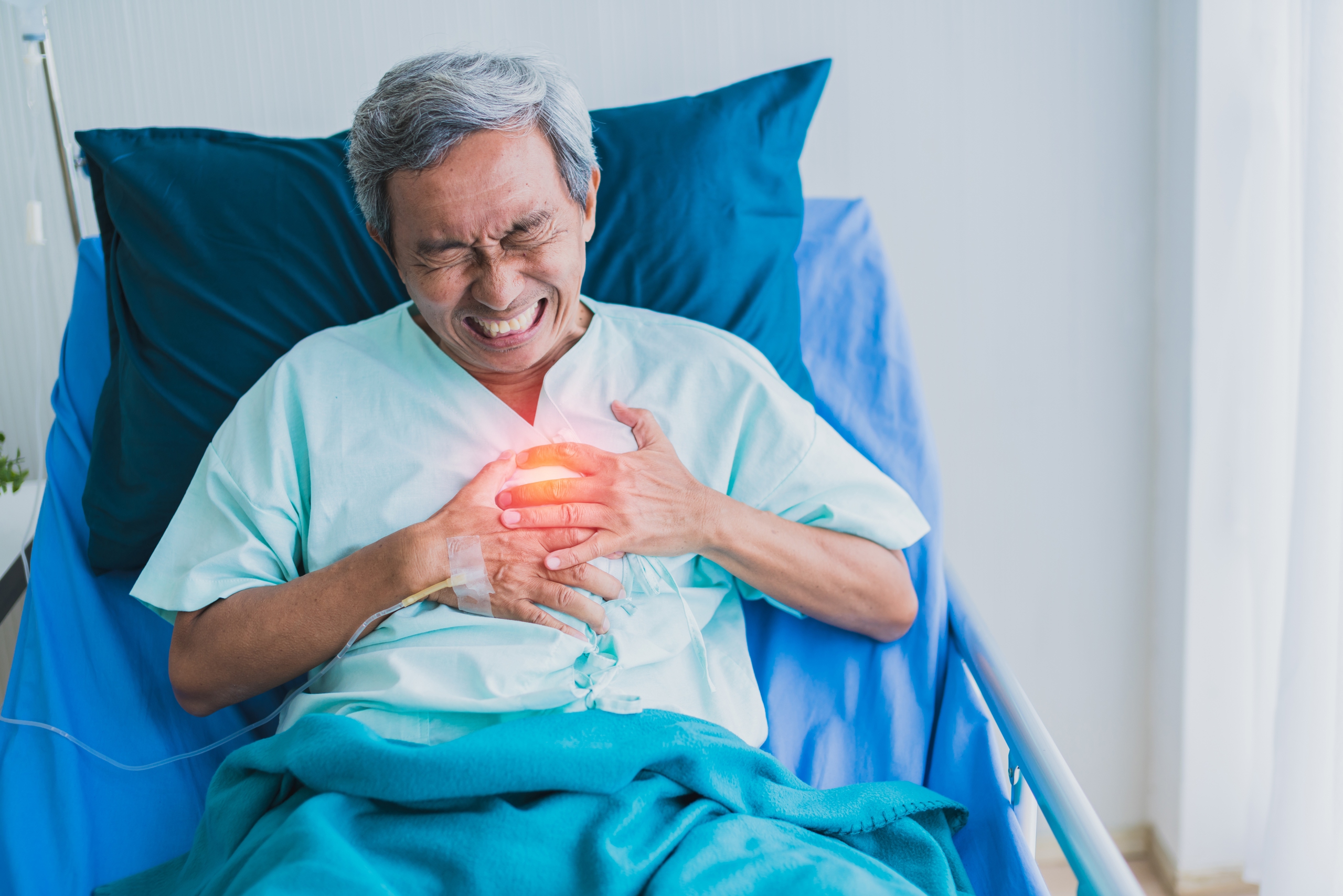
5. Unexplained Night Sweats and Restlessness
Night sweats are often associated with infections or hormonal changes, but cardiovascular issues can sometimes contribute as well.
Symptoms May Include
-
Excessive sweating during sleep
-
Feeling unusually hot
-
Restlessness
-
Difficulty staying asleep
Potential Explanation
When the heart struggles to meet the body's demands, the nervous system may become more active, triggering sweating and discomfort.
Although night sweats alone rarely indicate heart disease, they may be significant when combined with other symptoms.
Why Nighttime Symptoms Can Be Important
Many cardiovascular symptoms become more noticeable during sleep because:
-
Physical activity is reduced
-
The body changes position
-
Fluid redistributes throughout the body
-
External distractions disappear
These factors can reveal problems that remain unnoticed during daytime activities.
Additional Symptoms That May Accompany Heart Disease
Heart disease does not always present the same way in every person.
Other possible warning signs include:
Chest Discomfort
This may feel like:
-
Pressure
-
Tightness
-
Burning
-
Squeezing
Fatigue
Persistent exhaustion can occur when the heart is unable to circulate blood efficiently.
Swelling
Fluid retention may cause swelling in:
-
Feet
-
Ankles
-
Legs
Dizziness
Reduced blood flow may contribute to lightheadedness or fainting episodes.
Risk Factors for Heart Disease
Several factors increase the likelihood of developing heart problems.
High Blood Pressure
Chronically elevated blood pressure places extra strain on the heart.
Diabetes
Diabetes can damage blood vessels and increase cardiovascular risk.
High Cholesterol
Excess cholesterol may contribute to plaque buildup in arteries.
Smoking
Smoking damages blood vessels and significantly increases heart disease risk.
Obesity
Excess body weight places additional demands on the cardiovascular system.
Physical Inactivity
Lack of exercise may contribute to multiple heart-related risk factors.
Family History
Genetics can influence cardiovascular health.
Why Early Detection Matters
Heart disease often develops gradually over many years.
The earlier it is identified, the more treatment options may be available.
Early intervention may help:
-
Improve quality of life
-
Reduce complications
-
Prevent heart attacks
-
Slow disease progression
Ignoring symptoms can delay diagnosis and treatment.
How Doctors Evaluate Heart Symptoms
Healthcare providers may use several tests to investigate possible heart disease.
Physical Examination
The doctor evaluates:
-
Heart sounds
-
Blood pressure
-
Circulation
Electrocardiogram (ECG)
This test records the heart's electrical activity.
Echocardiogram
Ultrasound imaging allows doctors to examine heart structure and function.
Stress Testing
Exercise-based testing helps assess how the heart performs under increased demand.
Blood Tests
These tests may identify markers associated with heart damage or cardiovascular risk.
Protecting Your Heart
Many lifestyle habits support cardiovascular health.
Eat a Balanced Diet
Focus on:
-
Fruits
-
Vegetables
-
Whole grains
-
Lean proteins
-
Healthy fats
Stay Physically Active
Regular movement strengthens the heart and improves circulation.
Maintain a Healthy Weight
Weight management helps reduce cardiovascular strain.
Control Blood Pressure
Routine monitoring is important.
Avoid Smoking
Quitting smoking provides immediate and long-term benefits.
Manage Stress
Chronic stress may negatively affect cardiovascular health.
Get Quality Sleep
Adequate sleep supports overall heart function.
When to Seek Immediate Medical Attention
Emergency care should be sought if symptoms include:
-
Severe chest pain
-
Sudden shortness of breath
-
Fainting
-
Severe dizziness
-
Symptoms of a heart attack
-
Sudden weakness or numbness
Prompt treatment can be lifesaving.
Final Thoughts
Heart disease does not always announce itself with dramatic symptoms. In many cases, the body provides subtle clues long before a serious event occurs. Shortness of breath while lying down, sudden nighttime breathlessness, heart palpitations, frequent nighttime urination, and unexplained night sweats are among the symptoms that may deserve attention.
Most people experiencing these symptoms do not necessarily have heart disease. However, persistent or worsening symptoms should not be ignored. Paying attention to nighttime changes and seeking medical advice when appropriate can help identify problems early and support better long-term heart health.
Your heart works continuously every day and every night. Listening to the signals it sends may be one of the most important steps you can take to protect your health.