6 Best Remedies to Help Keep Your Arteries Healthy and Support Better Circulation
Your arteries play a vital role in delivering oxygen-rich blood throughout your body. Over time, however, cholesterol, fat, calcium, and inflammatory substances can accumulate inside artery walls, forming plaque. This process, known as atherosclerosis, can increase the risk of heart attacks, strokes, and other cardiovascular problems.
Many people search for ways to "clean" their arteries naturally. While there is no magic remedy that instantly removes plaque, experts agree that certain lifestyle changes can help slow plaque buildup, stabilize existing plaque, and improve overall cardiovascular health.
Here are six of the most effective remedies supported by medical research.
1. Follow a Heart-Healthy Mediterranean Diet

One of the most powerful tools for protecting your arteries is the food you eat every day.
A Mediterranean-style diet emphasizes:
- Vegetables
- Fruits
- Whole grains
- Beans and legumes
- Nuts and seeds
- Olive oil
- Fish
At the same time, it limits processed foods, added sugars, and excessive saturated fats.
Research suggests that this eating pattern can help lower LDL ("bad") cholesterol, reduce inflammation, and support healthier blood vessels. Some studies have even found that intensive dietary improvements may contribute to plaque stabilization over time.
2. Exercise Regularly
Physical activity remains one of the most effective natural ways to support artery health.
Regular exercise can:
- Improve circulation
- Lower blood pressure
- Increase HDL ("good") cholesterol
- Help maintain a healthy weight
- Reduce inflammation
Experts generally recommend at least 150 minutes of moderate exercise per week. Brisk walking, swimming, cycling, and dancing are all excellent choices.
Even short daily walks can make a meaningful difference when practiced consistently.
3. Quit Smoking and Avoid Tobacco
Smoking damages the inner lining of arteries and accelerates plaque formation.
Nicotine causes blood vessels to constrict, forcing the heart to work harder while reducing blood flow throughout the body.
According to cardiovascular experts, quitting smoking is one of the most important steps a person can take to protect their arteries and reduce the risk of heart disease. Benefits begin almost immediately and continue to improve over time.
4. Maintain a Healthy Weight
Excess body weight, particularly abdominal fat, is associated with higher levels of inflammation, cholesterol abnormalities, high blood pressure, and insulin resistance.
Losing even a modest amount of weight can:
- Improve cholesterol levels
- Lower blood pressure
- Reduce strain on the heart
- Support healthier arteries
Many experts note that even a 5% to 10% reduction in body weight can provide meaningful cardiovascular benefits.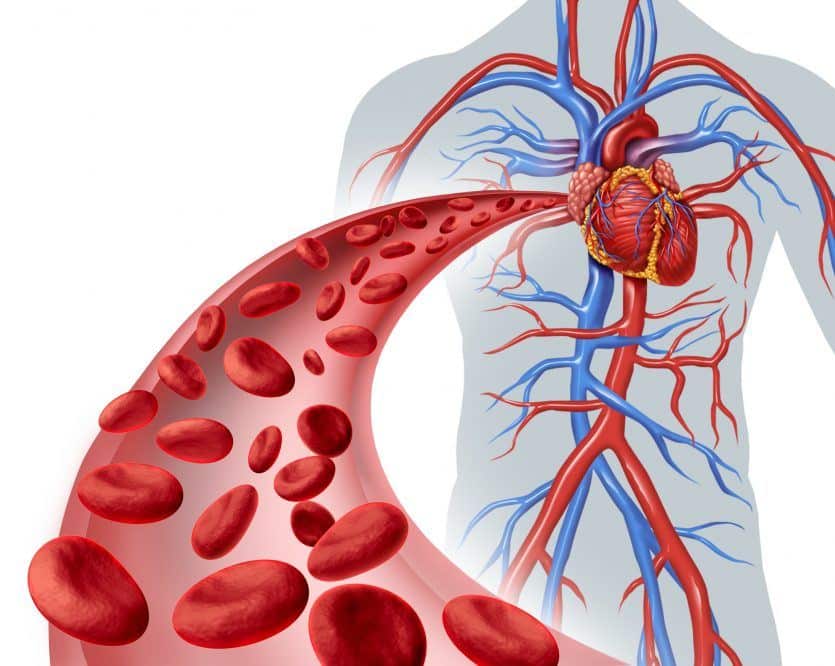
5. Include More Omega-3-Rich Foods
Omega-3 fatty acids are known for their anti-inflammatory properties and potential cardiovascular benefits.
Excellent sources include:
- Salmon
- Sardines
- Mackerel
- Herring
- Flaxseeds
- Walnuts
Research suggests that omega-3 fats may help support healthy blood vessels, lower triglycerides, and reduce inflammation linked to artery disease. While they do not directly remove plaque, they may help create a healthier environment for the cardiovascular system.
6. Control Stress and Prioritize Sleep
Chronic stress can contribute to elevated blood pressure, inflammation, and unhealthy lifestyle behaviors that negatively affect artery health.
Healthy stress-management techniques include:
- Meditation
- Deep breathing exercises
- Yoga
- Spending time in nature
- Regular physical activity
Sleep is equally important. Adults should aim for 7–9 hours of quality sleep each night to support cardiovascular function and overall health.
Can Artery Plaque Really Be Reversed?
Many people hope for a quick fix, but experts caution that there is no instant way to clear blocked arteries.
Current evidence suggests that aggressive cholesterol management, healthy lifestyle habits, and appropriate medical treatment can stabilize plaque and, in some cases, help reduce plaque volume over time. However, advanced blockages may require medical procedures such as angioplasty, stenting, or bypass surgery.
Warning Signs of Artery Disease
Seek medical attention if you experience symptoms such as:
- Chest pain
- Shortness of breath
- Leg pain while walking
- Sudden weakness or numbness
- Dizziness
- Irregular heartbeat
Early detection can significantly improve treatment outcomes.
The Bottom Line
There is no miracle food or supplement that can instantly "clean out" your arteries. However, adopting a Mediterranean-style diet, exercising regularly, avoiding tobacco, maintaining a healthy weight, consuming omega-3-rich foods, and managing stress can all help protect your cardiovascular system.
Small daily choices, practiced consistently over time, often provide the greatest benefits for long-term heart and artery health.
Sources: Mayo Clinic, Harvard Health Publishing, Healthline, Banner Health.