Gout is a common form of inflammatory arthritis that can cause sudden and intense episodes of joint pain. Often affecting the big toe, gout can also involve the ankles, knees, feet, wrists, and fingers. During a gout flare-up, even the slightest touch from a bedsheet may feel unbearable.
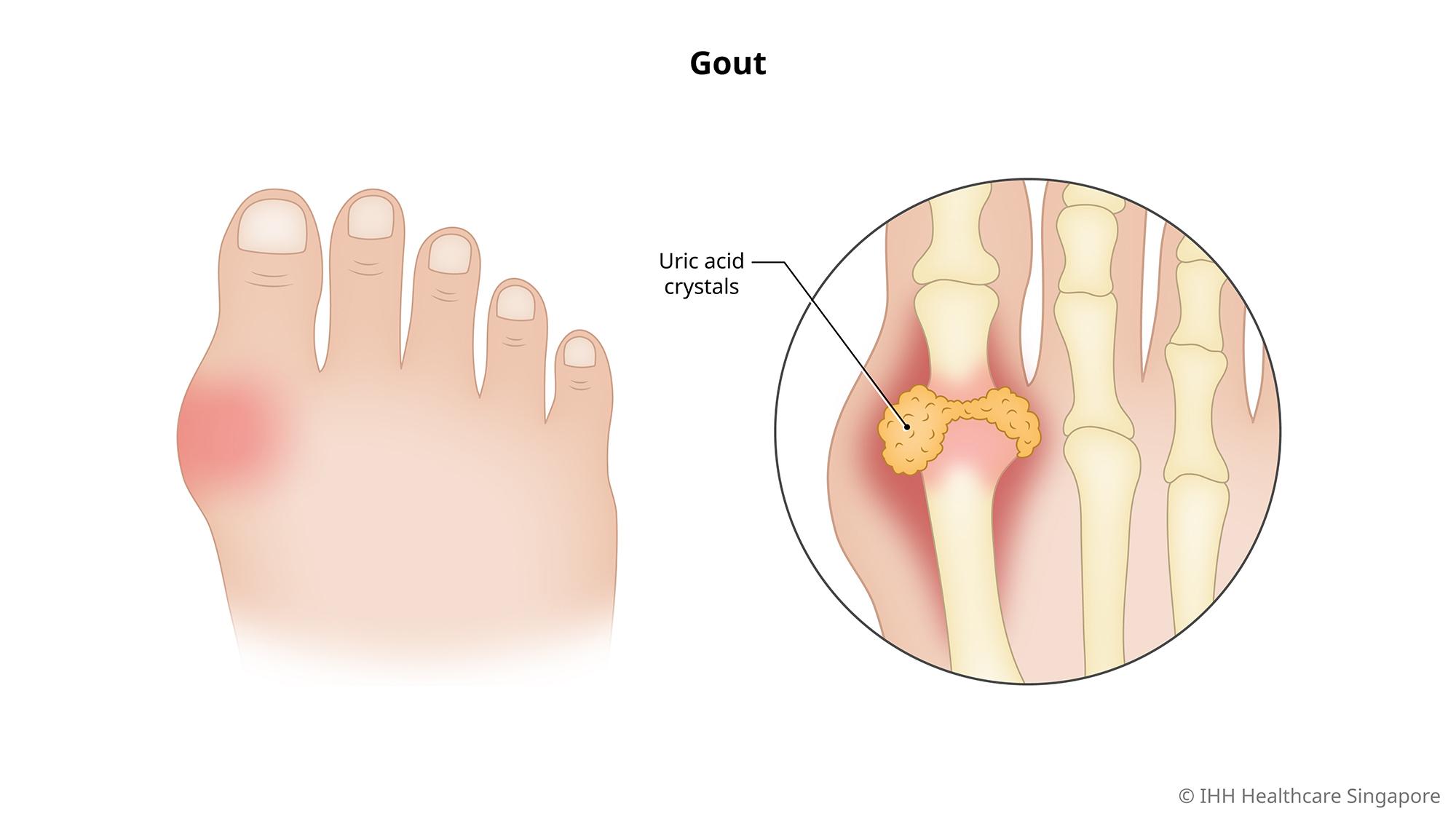
The condition occurs when uric acid levels in the blood become too high. Excess uric acid can form sharp crystals that accumulate in joints, triggering inflammation, swelling, redness, and severe pain.
While genetics, kidney function, medications, and other health conditions can influence gout risk, diet also plays an important role. Certain foods may contribute to elevated uric acid levels and potentially increase the likelihood of gout attacks.
Understanding which foods may aggravate symptoms can help individuals make informed dietary choices and better manage their condition.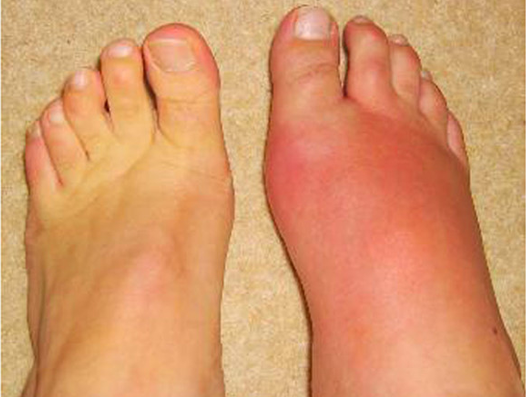
What Is Uric Acid?
Uric acid is a waste product produced when the body breaks down substances called purines.
Purines occur naturally in:
-
Human cells
-
Certain foods
-
Various beverages
Normally, uric acid dissolves in the bloodstream, travels to the kidneys, and leaves the body through urine.
Problems may develop when:
-
Too much uric acid is produced
-
The kidneys cannot remove enough uric acid
This can lead to hyperuricemia, a condition characterized by elevated uric acid levels.
Why Diet Matters
Diet alone is not usually the sole cause of gout.
However, some foods contain large amounts of purines or may influence how the body processes uric acid.
For people susceptible to gout, these foods may contribute to:
-
Higher uric acid levels
-
Increased inflammation
-
More frequent flare-ups
The goal is not necessarily to eliminate every purine-containing food but to understand which choices may require moderation.
1. Organ Meats
Organ meats are among the richest dietary sources of purines.
Examples include:
-
Liver
-
Kidney
-
Heart
-
Sweetbreads
Why They Matter
These foods can significantly increase uric acid production.
For individuals with gout, frequent consumption may contribute to flare-ups.
Nutritional Considerations
Although organ meats contain valuable nutrients such as iron and vitamin B12, individuals with gout are often advised to limit their intake.
2. Certain Seafood
Not all seafood affects gout risk equally.
Some varieties contain particularly high levels of purines.
Seafood Often Consumed With Caution
-
Anchovies
-
Sardines
-
Mackerel
-
Herring
-
Mussels
-
Scallops
Potential Impact
Regular consumption of large amounts may contribute to elevated uric acid levels in susceptible individuals.
Health Benefits Still Exist
Many seafood products provide:
-
Protein
-
Omega-3 fatty acids
-
Vitamins and minerals
This is why moderation rather than complete avoidance is often recommended.
3. Red Meat
Red meat contains moderate to high levels of purines.
Examples include:
-
Beef
-
Lamb
-
Pork
Why It May Be a Concern
Large portions consumed frequently may increase uric acid production.
Better Approach
People with gout may benefit from:
-
Smaller portions
-
Leaner cuts
-
Greater emphasis on plant-based protein sources
4. Sugary Beverages
One of the most important dietary considerations for gout involves sugary drinks.
Examples
-
Soft drinks
-
Sweetened fruit beverages
-
Energy drinks
-
Certain flavored teas
Why They Matter
Many sweetened beverages contain fructose.
Fructose metabolism can increase uric acid production.
Research suggests that frequent consumption of fructose-rich drinks may be associated with a greater risk of gout.
A Better Alternative
Water remains one of the best beverage choices for individuals managing gout.
5. Excessive Alcohol
Alcohol has long been associated with gout.
Why Alcohol Can Be Problematic
Alcohol may:
-
Increase uric acid production
-
Reduce uric acid elimination
-
Contribute to dehydration
Beer Often Receives Particular Attention
Beer contains:
-
Alcohol
-
Purines derived from brewer's yeast
This combination may increase the likelihood of gout attacks in some individuals.
Moderation Matters
People with gout are often encouraged to discuss alcohol consumption with their healthcare provider.
6. Highly Processed Foods
Although processed foods may not always contain high levels of purines, they can contribute to overall health issues associated with gout.
Examples include:
-
Fast food
-
Processed snacks
-
Sugary desserts
-
Refined baked goods
Why They Matter
These foods may contribute to:
-
Weight gain
-
Insulin resistance
-
Metabolic syndrome
These factors are frequently associated with higher gout risk.
7. Foods Rich in Added Sugars
Added sugars deserve special attention.
Common Sources
-
Candy
-
Pastries
-
Sweetened cereals
-
Packaged desserts
Potential Effects
Excess sugar intake may influence:
-
Uric acid production
-
Weight management
-
Metabolic health
Reducing added sugar consumption may benefit overall health beyond gout management.
Foods That May Be Better Choices
While some foods may aggravate symptoms, others may support overall health and fit well into a gout-friendly eating pattern.
Fruits
Many fruits provide:
-
Fiber
-
Vitamins
-
Antioxidants
Vegetables
Most vegetables are encouraged as part of a healthy diet.
Even vegetables containing purines generally do not appear to increase gout risk in the same way as certain animal-based foods.
Whole Grains
Examples include:
-
Oats
-
Brown rice
-
Whole wheat products
Low-Fat Dairy Products
Some studies suggest low-fat dairy foods may be associated with lower uric acid levels.
Examples include:
-
Yogurt
-
Milk
-
Cottage cheese
The Importance of Hydration
Water plays an important role in uric acid management.
Why Hydration Helps
Adequate fluid intake supports:
-
Kidney function
-
Uric acid elimination
-
Overall health
Dehydration may increase the likelihood of gout attacks in some individuals.
Practical Tip
Drinking water consistently throughout the day may help support healthy uric acid balance.
Weight Management and Gout
Body weight can influence gout risk.
Why It Matters
Excess body fat is associated with:
-
Increased uric acid production
-
Reduced uric acid elimination
-
Higher inflammation levels
Healthy Approach
Gradual, sustainable weight management may support long-term gout control.
Rapid crash diets are generally not recommended because they may temporarily increase uric acid levels.
Common Myths About Gout
Myth 1: Only Older Men Get Gout
Although gout is more common in men, women can also develop the condition.
Myth 2: Diet Is the Only Cause
Genetics, kidney function, medications, and health conditions also play important roles.
Myth 3: All Purine Foods Must Be Eliminated
Many nutritious foods contain purines.
The goal is usually moderation rather than complete avoidance.
When to See a Healthcare Professional
Seek medical evaluation if you experience:
-
Sudden severe joint pain
-
Redness and swelling
-
Recurrent attacks
-
Persistent joint discomfort
Proper diagnosis is important because other conditions can mimic gout symptoms.
Managing Gout Successfully
Effective gout management often involves a combination of strategies.
These may include:
-
Medical treatment
-
Dietary adjustments
-
Hydration
-
Weight management
-
Regular physical activity
Working with a healthcare provider can help develop an individualized plan.
Final Thoughts
Gout is a painful condition that can significantly affect quality of life, but dietary choices may help reduce the likelihood of flare-ups. Organ meats, certain seafood, red meat, sugary beverages, alcohol, and highly processed foods are among the items that may contribute to elevated uric acid levels or worsen symptoms in some individuals.
At the same time, focusing on fruits, vegetables, whole grains, low-fat dairy products, and adequate hydration may support overall health and complement medical treatment. While no single diet can cure gout, understanding how different foods affect the body can be an important step toward better symptom management and improved long-term well-being.
Making informed choices today may help reduce discomfort and support healthier joints in the future.