Women's health is influenced by a complex combination of genetics, hormones, lifestyle habits, and nutrition. Among the many organs that play a vital role in female health, the ovaries are particularly important. These small reproductive glands are responsible for producing eggs and regulating hormones such as estrogen and progesterone, which influence everything from fertility and menstrual cycles to bone health, skin appearance, and overall well-being.
As women age, ovarian function naturally changes. Hormone production gradually declines, especially during the years leading up to menopause. While aging is a normal biological process, researchers continue to explore lifestyle factors that may help support healthy ovarian function and overall wellness throughout life.
One area receiving increasing attention is nutrition. Certain foods contain nutrients and plant compounds that may help support hormonal balance, reduce oxidative stress, and contribute to healthy aging.
Here are 3 everyday foods that may offer benefits for ovarian health and overall well-being.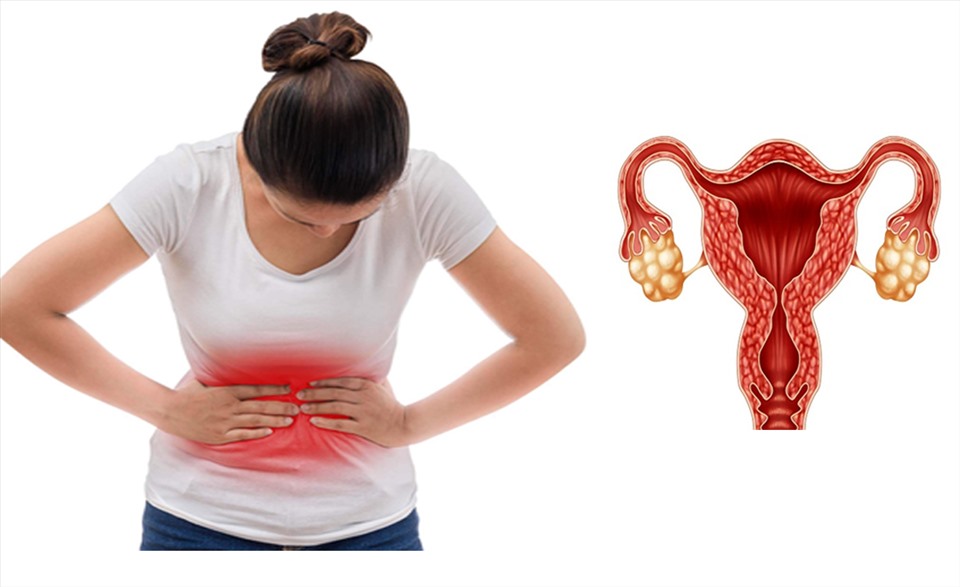
Why Ovarian Health Matters
The ovaries do much more than support reproduction.
They play important roles in:
-
Hormone production
-
Bone health
-
Cardiovascular health
-
Skin health
-
Emotional well-being
-
Metabolic regulation
As ovarian function changes with age, many women experience shifts in energy levels, mood, sleep quality, and physical health.
While no food can stop the aging process, nutritious dietary choices may help support the body's natural functions.
1. Eggs: A Nutrient-Dense Food for Women's Health
Eggs are among the most nutritious foods available and provide a variety of nutrients that support overall health.
Key Nutrients Found in Eggs
-
High-quality protein
-
Vitamin D
-
Choline
-
Selenium
-
Vitamin B12
-
Folate
Why Protein Matters
Protein is essential for:
-
Tissue repair
-
Muscle maintenance
-
Hormone production
-
Cellular function
Maintaining adequate protein intake becomes increasingly important with age.
The Role of Choline
Eggs are one of the richest dietary sources of choline.
Choline supports:
-
Brain health
-
Cell membrane function
-
Liver health
-
Normal metabolism
Researchers continue to study the broader role of choline in women's health and healthy aging.
Vitamin D Benefits
Vitamin D contributes to:
-
Bone strength
-
Immune function
-
Muscle health
Many women have insufficient vitamin D levels, making dietary sources particularly valuable.
2. Soy Foods: A Natural Source of Plant Compounds
Soy foods have been widely studied for their potential effects on women's health.
Examples include:
-
Tofu
-
Soybeans
-
Edamame
-
Tempeh
-
Soy milk
Isoflavones and Women's Health
Soy contains natural compounds known as isoflavones.
These plant compounds can interact with estrogen receptors in the body.
Because of this, researchers have investigated their potential role in:
-
Hormonal balance
-
Menopausal symptoms
-
Bone health
Potential Benefits
Some studies suggest soy foods may help support:
-
Healthy cholesterol levels
-
Bone density
-
Cardiovascular health
Rich Source of Nutrients
Soy foods also provide:
-
Protein
-
Fiber
-
Iron
-
Magnesium
These nutrients contribute to overall wellness.
3. Berries: Small Fruits With Powerful Nutrients
Berries are among the richest sources of antioxidants found in nature.
Popular options include:
-
Blueberries
-
Strawberries
-
Blackberries
-
Raspberries
Why Antioxidants Matter
Throughout life, cells are exposed to oxidative stress.
Oxidative stress occurs when unstable molecules known as free radicals damage tissues.
Over time, oxidative stress may contribute to aging and various chronic health conditions.
Antioxidants Found in Berries
Berries contain:
-
Anthocyanins
-
Vitamin C
-
Polyphenols
-
Flavonoids
These compounds help protect cells from damage.
Potential Benefits
Research suggests diets rich in antioxidant-containing foods may support:
-
Healthy aging
-
Cardiovascular health
-
Brain function
-
Immune health
Because ovarian tissue is also affected by oxidative stress, antioxidants may play a supportive role in maintaining cellular health.
How Nutrition Supports Healthy Aging
Healthy aging involves maintaining function across multiple body systems.
Good nutrition helps support:
Hormonal Health
Certain nutrients contribute to normal hormone production and regulation.
Bone Health
Women face an increased risk of bone loss with age.
Adequate nutrition helps support bone strength.
Cardiovascular Health
Heart health becomes increasingly important during and after menopause.
Brain Function
Nutrients such as choline, omega-3 fatty acids, and antioxidants may support cognitive health.
Other Foods That May Support Women's Health
Although eggs, soy foods, and berries receive significant attention, many other foods contribute to overall wellness.
Leafy Green Vegetables
Examples include:
-
Spinach
-
Kale
-
Swiss chard
They provide:
-
Folate
-
Calcium
-
Vitamin K
Nuts and Seeds
These foods contain:
-
Healthy fats
-
Magnesium
-
Antioxidants
Legumes
Beans and lentils provide:
-
Fiber
-
Protein
-
Important minerals
Whole Grains
Whole grains support:
-
Digestive health
-
Stable energy levels
-
Nutrient intake
Lifestyle Habits That Complement Good Nutrition
Diet is only one part of maintaining health.
Other important habits include:
Regular Physical Activity
Exercise supports:
-
Bone health
-
Cardiovascular function
-
Weight management
Quality Sleep
Sleep influences hormone regulation and recovery.
Stress Management
Chronic stress may affect hormonal balance.
Avoiding Smoking
Smoking is associated with earlier menopause and numerous health risks.
Routine Medical Care
Regular checkups support early detection of potential health concerns.
Common Myths About Ovarian Health
Myth 1: One Food Can Reverse Aging
No single food can stop or reverse the aging process.
Healthy aging results from consistent lifestyle habits over time.
Myth 2: Supplements Are Always Better Than Food
Whole foods often provide a broader range of nutrients and beneficial compounds.
Myth 3: Ovarian Health Only Matters Before Menopause
Ovarian health influences many aspects of wellness throughout adulthood.
Understanding the Bigger Picture
Nutrition can help support the body's natural functions, but it is important to maintain realistic expectations.
Foods do not cure diseases or prevent aging entirely.
Instead, healthy dietary choices may:
-
Support cellular health
-
Promote overall wellness
-
Reduce nutritional deficiencies
-
Contribute to long-term quality of life
The goal is not perfection but consistency.
When to Seek Medical Advice
Women experiencing symptoms such as:
-
Irregular menstrual cycles
-
Persistent pelvic pain
-
Unusual bleeding
-
Fertility concerns
-
Significant hormonal changes
should consult a healthcare professional.
Diet alone cannot address all health issues, and proper medical evaluation remains essential.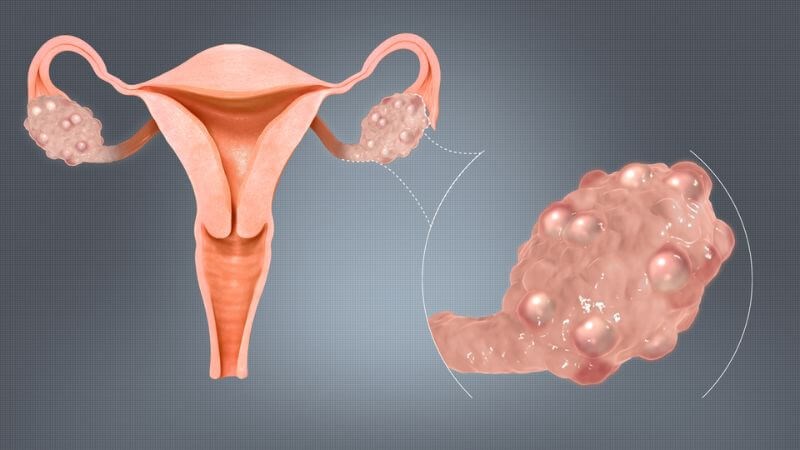
Final Thoughts
Eggs, soy foods, and berries are three everyday foods that provide valuable nutrients and plant compounds that may support women's health. Their combination of protein, antioxidants, vitamins, minerals, and beneficial phytochemicals can contribute to overall wellness and healthy aging.
While no food can guarantee perfect ovarian health or prevent the natural aging process, a balanced diet rich in nutrient-dense foods can help support the body's functions throughout life. Combined with regular exercise, quality sleep, stress management, and routine healthcare, these foods may become part of a broader strategy for maintaining vitality and well-being as women age.
Healthy aging is not about finding a miracle food—it is about consistently making choices that nourish the body and support long-term health.