Thyroid cancer is one of the more common cancers affecting the endocrine system. The thyroid gland, a small butterfly-shaped organ located at the front of the neck, plays a vital role in regulating metabolism, energy production, body temperature, and numerous other bodily functions through hormone production.
One of the challenges of thyroid cancer is that it often develops slowly and may not cause noticeable symptoms during its earliest stages. In fact, many cases are discovered during routine medical examinations or imaging tests performed for unrelated reasons.
Fortunately, when detected early, many forms of thyroid cancer have favorable treatment outcomes. Understanding the possible warning signs can help individuals recognize changes that deserve medical attention.
Here are 5 early symptoms that may be associated with thyroid cancer.
Understanding the Thyroid Gland
Before discussing symptoms, it's helpful to understand the role of the thyroid.
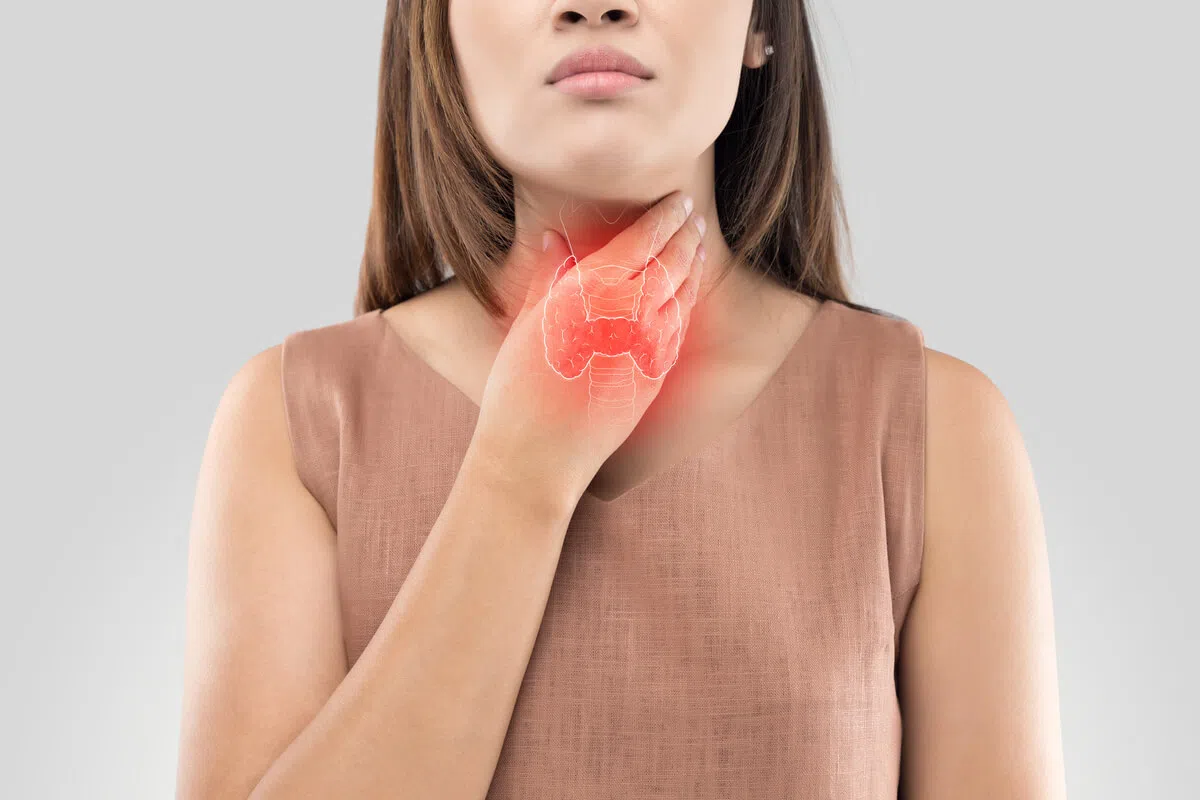
The thyroid gland is located:
-
At the base of the neck
-
Just below the Adam's apple
-
In front of the windpipe
It produces hormones that influence:
-
Metabolism
-
Heart rate
-
Body temperature
-
Energy levels
-
Growth and development
When abnormal cells develop within the thyroid, a tumor may form. Although many thyroid nodules are benign, some may be cancerous.
1. A Lump or Nodule in the Neck
One of the most common early signs of thyroid cancer is the appearance of a lump in the neck.
What It May Feel Like
People may notice:
-
A small bump near the front of the neck
-
A firm nodule
-
Swelling that gradually increases in size
In many cases, the lump is painless.
Important Note
Most thyroid nodules are not cancerous.
However, any new neck lump should be evaluated by a healthcare professional.
Why It Happens
The lump may represent abnormal growth of thyroid tissue or an enlarged lymph node associated with thyroid disease.
2. Changes in the Voice
Persistent hoarseness is another symptom that may occur.
Possible Changes Include
-
Hoarseness
-
A raspy voice
-
Voice weakness
-
Difficulty projecting the voice
Why It Happens
The thyroid gland is located close to nerves that control the vocal cords.
If a thyroid tumor affects these nerves, voice changes may develop.
When to Seek Evaluation
Hoarseness lasting several weeks without an obvious cause should be medically assessed.
3. Difficulty Swallowing
As a thyroid tumor grows, it may begin pressing against nearby structures in the neck.
Symptoms May Include
-
Feeling that food gets stuck
-
Discomfort while swallowing
-
Difficulty swallowing solid foods
-
A sensation of pressure in the throat
Why It Occurs
The esophagus lies directly behind the thyroid gland.
Enlargement of the thyroid can sometimes interfere with normal swallowing.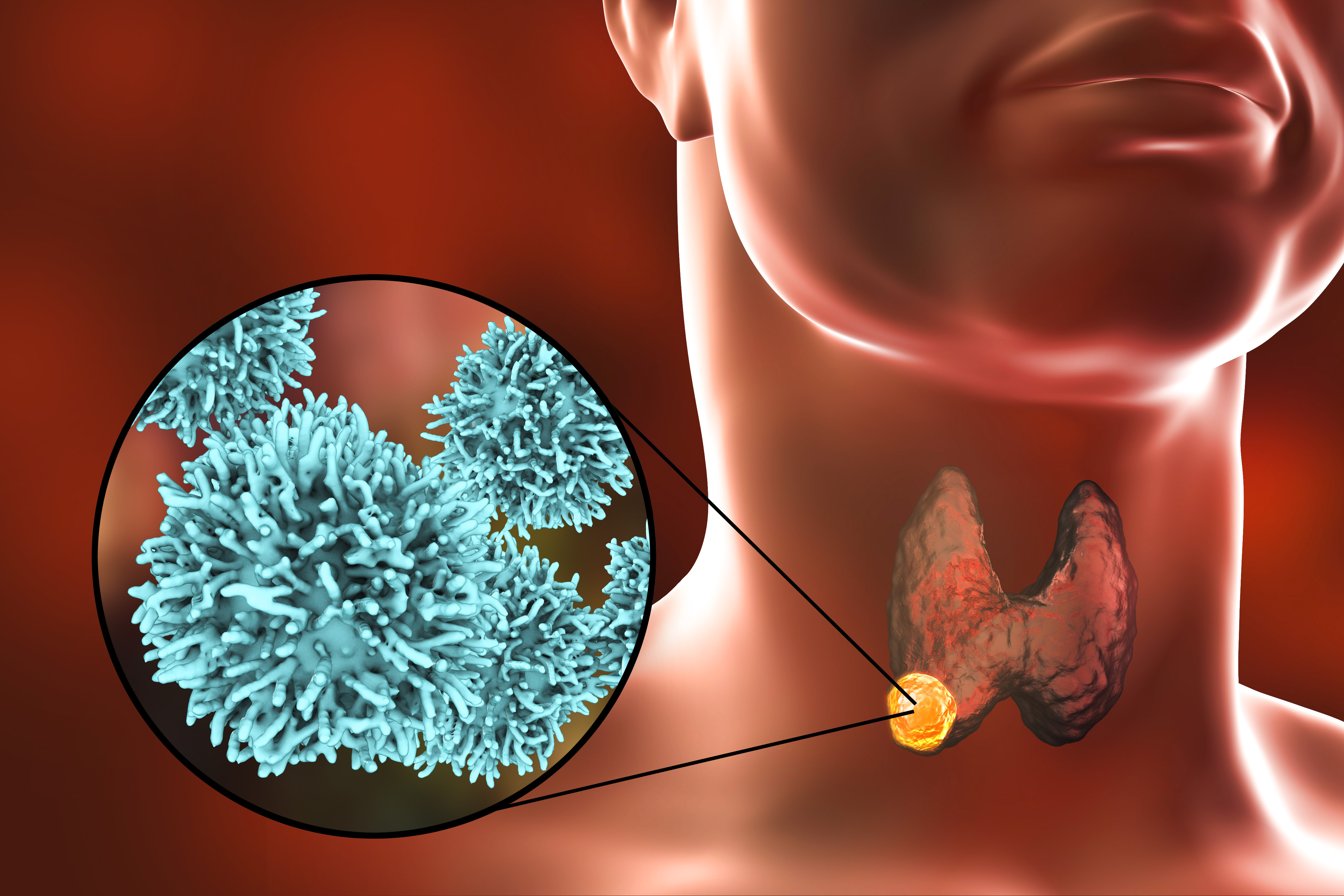
4. Persistent Neck Pain
Although many thyroid cancers cause little or no pain initially, some individuals experience discomfort.
Pain May Occur In
-
The front of the neck
-
The lower throat
-
The jaw
-
The ears
Characteristics
The pain may be:
-
Mild
-
Persistent
-
Gradually worsening
Because neck pain can result from many conditions, it is often not immediately associated with thyroid disease.
5. Difficulty Breathing or a Feeling of Pressure
As thyroid abnormalities enlarge, they may place pressure on surrounding tissues.
Possible Symptoms
-
Shortness of breath
-
A sensation of tightness in the neck
-
Difficulty breathing when lying down
-
Feeling that something is pressing on the throat
Why It Happens
The windpipe, or trachea, sits near the thyroid gland.
Larger growths may sometimes narrow the airway and create breathing difficulties.
Other Symptoms That May Occur
While the five symptoms above are among the most common warning signs, additional symptoms may sometimes appear.
These include:
Enlarged Lymph Nodes
Swollen lymph nodes in the neck may develop.
Persistent Cough
A cough that is not related to a cold or respiratory infection may occasionally occur.
Neck Fullness
Some people notice a sensation of fullness or swelling in the neck.
Risk Factors for Thyroid Cancer
Several factors may increase the likelihood of developing thyroid cancer.
Gender
Women are diagnosed more frequently than men.
Age
Although thyroid cancer can occur at any age, it is often diagnosed in adults between the ages of 30 and 60.
Radiation Exposure
Previous radiation exposure involving the head or neck may increase risk.
Family History
Certain inherited genetic conditions may contribute to thyroid cancer risk.
Thyroid Conditions
Some thyroid disorders may be associated with a higher likelihood of developing thyroid abnormalities.
Why Thyroid Cancer Is Often Difficult to Detect Early
Unlike some cancers, thyroid cancer frequently causes few symptoms in its earliest stages.
Many individuals:
-
Feel completely healthy
-
Experience no pain
-
Have normal thyroid hormone levels
Because of this, thyroid cancer is often discovered incidentally during:
-
Physical examinations
-
Ultrasound scans
-
CT scans
-
MRI studies
How Doctors Diagnose Thyroid Cancer
If a thyroid abnormality is suspected, several tests may be recommended.
Physical Examination
The doctor may feel the neck for lumps or enlarged lymph nodes.
Ultrasound
Ultrasound imaging helps evaluate the size and appearance of thyroid nodules.
Blood Tests
Blood tests assess thyroid function, although thyroid hormone levels may remain normal even when cancer is present.
Fine-Needle Aspiration Biopsy
A small sample of cells may be collected for laboratory examination.
Imaging Studies
Additional scans may be used when necessary.
Are All Thyroid Nodules Cancerous?
No.
In fact, the majority of thyroid nodules are benign.
Common non-cancerous causes include:
-
Thyroid cysts
-
Benign thyroid growths
-
Inflammation
-
Goiter
This is why professional evaluation is important before drawing conclusions.
Can Thyroid Cancer Be Treated Successfully?
Many forms of thyroid cancer have favorable outcomes when detected early.
Treatment options may include:
Surgery
Removal of part or all of the thyroid gland.
Radioactive Iodine Therapy
Used in certain thyroid cancer types.
Thyroid Hormone Therapy
Often prescribed after thyroid surgery.
Monitoring
Some low-risk cases may require ongoing observation.
Treatment recommendations depend on the specific type and stage of cancer.
Protecting Thyroid Health
While not all cases can be prevented, maintaining overall health may support thyroid function.
Helpful habits include:
-
Attending regular medical checkups
-
Reporting unusual neck changes
-
Avoiding unnecessary radiation exposure
-
Following medical advice regarding thyroid disorders
Early evaluation remains one of the most important protective measures.
When Should You See a Doctor?
Medical attention is recommended if you notice:
-
A new neck lump
-
Persistent hoarseness
-
Difficulty swallowing
-
Ongoing neck pain
-
Unexplained breathing difficulties
These symptoms do not necessarily mean cancer is present, but they deserve proper evaluation.
Final Thoughts
Thyroid cancer often develops quietly, which is why awareness of early symptoms is important. A neck lump, voice changes, difficulty swallowing, persistent neck pain, and breathing problems are among the signs that may warrant medical attention.
Most thyroid nodules are not cancerous, and many symptoms can result from less serious conditions. However, early detection remains one of the best ways to improve outcomes. Paying attention to changes in your neck and seeking medical evaluation when necessary can help ensure that any potential problems are identified and addressed as early as possible.
Understanding these warning signs empowers individuals to take a proactive role in protecting their thyroid health and overall well-being.