Millions of people struggle with poor sleep, daytime fatigue, and unexplained health issues without realizing that the root cause may be sleep apnea. This common sleep disorder affects breathing during sleep and can significantly impact overall health if left untreated.
One of the biggest challenges with sleep apnea is that many people don't know they have it. Because the condition occurs while a person is sleeping, symptoms often go unnoticed for years. In many cases, family members, spouses, or sleep partners are the first to recognize that something may be wrong.
Sleep apnea is more than just loud snoring. It can affect energy levels, heart health, concentration, mood, and overall quality of life. Understanding the warning signs may help individuals seek evaluation and treatment before complications develop.
Here are 4 important symptoms that may suggest sleep apnea.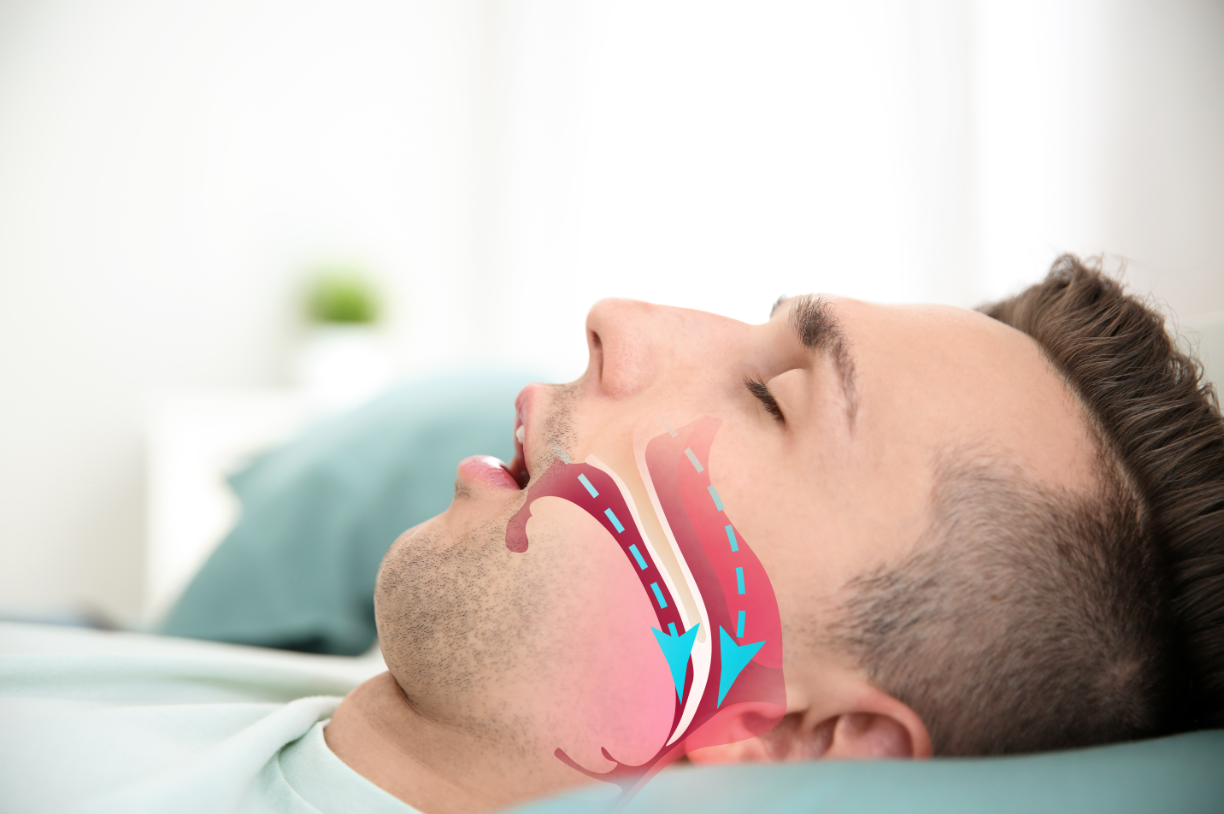
What Is Sleep Apnea?
Sleep apnea is a disorder characterized by repeated interruptions in breathing during sleep.
These breathing pauses may occur dozens or even hundreds of times throughout the night.
The most common form is obstructive sleep apnea (OSA), which occurs when the muscles of the throat relax excessively and temporarily block the airway.
A less common form, central sleep apnea, occurs when the brain fails to send proper signals to the muscles responsible for breathing.
Regardless of the type, repeated breathing interruptions can reduce oxygen levels and disrupt normal sleep cycles.
Why Sleep Apnea Often Goes Undiagnosed
Many individuals assume their symptoms are caused by:
-
Stress
-
Aging
-
Busy schedules
-
Poor sleep habits
Because sleep apnea develops gradually, people often adapt to the symptoms without realizing that a treatable condition may be responsible.
Additionally, many symptoms occur during sleep, making them difficult for the affected individual to notice.
Symptom 1: Loud, Persistent Snoring
Snoring is one of the most recognized signs of sleep apnea.
What Makes It Different?
Not everyone who snores has sleep apnea.
However, sleep apnea-related snoring is often:
-
Loud
-
Frequent
-
Chronic
-
Interrupted by pauses in breathing
What Others May Notice
Family members may observe:
-
Gasping sounds
-
Choking noises
-
Periods of silence followed by loud snoring
These breathing interruptions occur because airflow temporarily stops before the body briefly awakens to restore breathing.
Why It Happens
When the airway becomes partially blocked, air struggles to move through the throat, causing surrounding tissues to vibrate and create the sound of snoring.
Symptom 2: Excessive Daytime Sleepiness
One of the most common symptoms of sleep apnea is persistent daytime fatigue.
Common Complaints
People may report:
-
Feeling tired despite a full night's sleep
-
Difficulty staying awake during meetings
-
Falling asleep while watching television
-
Low energy throughout the day
Why It Occurs
Even though individuals with sleep apnea may spend many hours in bed, their sleep is repeatedly interrupted by breathing disturbances.
These interruptions prevent the body from obtaining sufficient restorative sleep.
The Result
Many people wake up feeling as though they barely slept at all.
Symptom 3: Morning Headaches
Frequent morning headaches are another symptom that may be associated with sleep apnea.
Characteristics
These headaches often:
-
Occur shortly after waking
-
Improve as the day progresses
-
Affect both sides of the head
-
Vary in intensity
Possible Explanation
Researchers believe reduced oxygen levels and fluctuations in carbon dioxide during sleep may contribute to these headaches.
Sleep fragmentation may also play a role.
Although many conditions can cause headaches, recurring morning headaches deserve attention, particularly when combined with other sleep apnea symptoms.
Symptom 4: Waking Up Gasping or Choking
One of the most alarming symptoms of sleep apnea is waking up suddenly feeling unable to breathe.
What It May Feel Like
Individuals may experience:
-
Sudden awakenings
-
A sensation of choking
-
Gasping for air
-
Panic-like feelings
Why It Happens
When breathing stops, oxygen levels begin to fall.
The brain responds by briefly waking the individual to reopen the airway.
These awakenings may occur repeatedly throughout the night, often without the person's awareness.
Other Possible Symptoms
While the four symptoms above are among the most common, sleep apnea may also cause a variety of additional signs.
Difficulty Concentrating
Sleep deprivation can affect memory, attention, and mental performance.
Mood Changes
People with sleep apnea may experience:
-
Irritability
-
Anxiety
-
Depression
-
Increased emotional sensitivity
Dry Mouth
Many individuals wake up with a dry mouth due to mouth breathing during sleep.
Frequent Nighttime Urination
Some people find themselves waking multiple times to use the bathroom.
Reduced Libido
Poor sleep quality can influence hormone regulation and sexual health.
Who Is at Higher Risk?
Several factors increase the likelihood of developing sleep apnea.
Excess Weight
Extra tissue around the neck may increase airway obstruction.
Age
Risk generally increases with age.
Family History
Genetics may influence airway structure and susceptibility.
Smoking
Smoking can increase inflammation and airway swelling.
Alcohol Use
Alcohol relaxes throat muscles and may worsen symptoms.
Anatomical Factors
Certain physical characteristics may increase risk, including:
-
Enlarged tonsils
-
A large tongue
-
Narrow airways
Why Sleep Apnea Should Not Be Ignored
Sleep apnea affects much more than sleep quality.
Untreated sleep apnea has been associated with:
-
High blood pressure
-
Heart disease
-
Stroke
-
Type 2 diabetes
-
Cognitive difficulties
-
Increased accident risk
Because oxygen levels repeatedly drop during sleep, the cardiovascular system experiences additional stress.
How Sleep Apnea Is Diagnosed
Healthcare providers may recommend a sleep evaluation when symptoms suggest sleep apnea.
Sleep Study
The most common diagnostic tool is a sleep study.
This may be performed:
-
In a sleep laboratory
-
At home using specialized monitoring equipment
What Is Measured?
Sleep studies often monitor:
-
Breathing patterns
-
Oxygen levels
-
Heart rate
-
Sleep stages
-
Body movements
These measurements help determine whether breathing interruptions are occurring.
Treatment Options
Treatment depends on the severity and underlying cause.
Lifestyle Changes
Some individuals benefit from:
-
Weight management
-
Improved sleep habits
-
Reduced alcohol consumption
-
Smoking cessation
Continuous Positive Airway Pressure (CPAP)
CPAP therapy is one of the most common treatments.
The device delivers pressurized air through a mask to help keep the airway open.
Oral Appliances
Special dental devices may help reposition the jaw and tongue.
Surgery
In certain situations, surgery may be considered to address structural airway issues.
Improving Sleep Quality
Even without a sleep apnea diagnosis, healthy sleep habits can support better rest.
Helpful Strategies
-
Maintain a consistent sleep schedule
-
Avoid large meals before bed
-
Limit alcohol consumption
-
Exercise regularly
-
Sleep on your side if recommended
-
Create a comfortable sleep environment
When to Seek Medical Advice
Consider speaking with a healthcare professional if you experience:
-
Loud chronic snoring
-
Persistent daytime fatigue
-
Morning headaches
-
Nighttime gasping or choking
-
Difficulty concentrating
-
Poor sleep quality
Early evaluation can help identify whether sleep apnea or another sleep disorder may be responsible.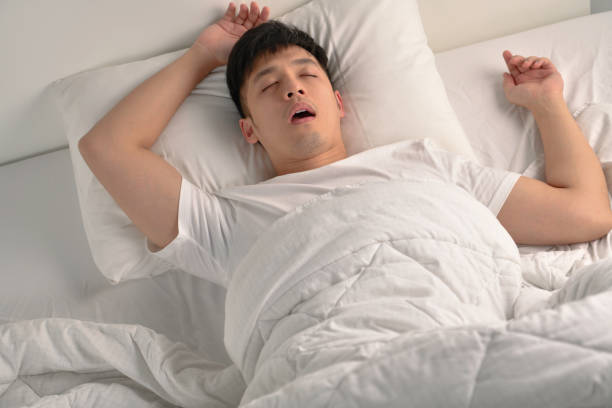
Final Thoughts
Sleep apnea is a common but frequently overlooked condition that affects millions of people worldwide. Because many symptoms occur during sleep, individuals often remain unaware that breathing interruptions are disrupting their rest and affecting their health.
Loud snoring, excessive daytime sleepiness, morning headaches, and waking up gasping for air are four important symptoms that may signal sleep apnea. While these signs do not automatically confirm a diagnosis, they deserve attention—especially when they occur together.
The good news is that sleep apnea is often treatable. Recognizing the symptoms and seeking medical evaluation can lead to improved sleep, better energy levels, and enhanced overall health. Sometimes, the key to feeling better during the day begins with understanding what happens during the night.