For thousands of years, taro root has served as a staple food in many parts of the world. Long before modern supermarkets were filled with trendy health foods and exotic supplements, communities across Asia, Africa, the Pacific Islands, and parts of South America relied on this humble root vegetable for nourishment and survival.
Today, taro is experiencing a remarkable resurgence. As consumers become increasingly interested in nutrient-dense foods, sustainable agriculture, and traditional dietary practices, this ancient crop is attracting renewed attention from nutrition experts, chefs, and health-conscious individuals alike.
Often overshadowed by potatoes, sweet potatoes, and other root vegetables, taro offers a unique combination of nutrients, versatility, and environmental benefits that make it worthy of a place in modern diets.
Let's explore why this ancient root vegetable is making such a powerful comeback.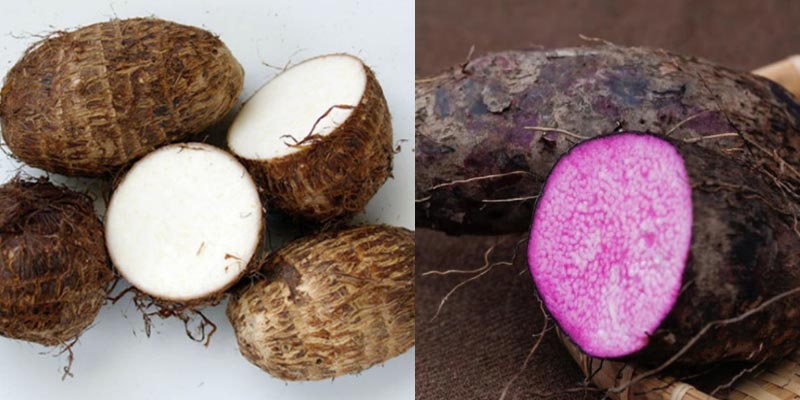
What Is Taro Root?
Taro is a starchy root vegetable that grows underground and belongs to the Araceae family.
It has been cultivated for thousands of years and remains an important food source in many tropical and subtropical regions.
Characteristics of Taro
Taro typically has:
-
Brown, hairy skin
-
White, cream-colored, or purple-speckled flesh
-
A mildly sweet, nutty flavor
-
A soft, creamy texture when cooked
Because raw taro contains naturally occurring compounds that may irritate the mouth and throat, it should always be cooked thoroughly before consumption.
A Food With Ancient Origins
Historians believe taro is one of the oldest cultivated crops in human history.
Ancient civilizations valued taro because:
-
It grew reliably in diverse climates
-
It provided substantial calories
-
It could be cultivated in relatively small areas
-
It stored well after harvest
For centuries, taro played a central role in traditional diets and cultural practices throughout many regions of the world.
Today, interest in ancestral eating patterns is helping bring this traditional food back into the spotlight.
Rich in Complex Carbohydrates
One reason taro has remained a staple food for generations is its ability to provide sustained energy.
Taro contains complex carbohydrates that are digested more slowly than simple sugars.
Potential Benefits
Complex carbohydrates may help:
-
Provide steady energy
-
Support physical activity
-
Promote feelings of fullness
-
Reduce rapid energy fluctuations
This makes taro a valuable food for individuals seeking satisfying and nutritious meal options.
An Excellent Source of Dietary Fiber
Fiber is one of the most important nutrients for digestive health.
Taro provides both soluble and insoluble fiber.
Why Fiber Matters
Adequate fiber intake may help support:
-
Regular bowel movements
-
Digestive comfort
-
Healthy gut bacteria
-
Long-lasting satiety
Many modern diets fall short of recommended fiber intake, making fiber-rich foods increasingly valuable.
Supports Digestive Health
The fiber found in taro can contribute to a healthier digestive system.
Potential Benefits Include
-
Improved bowel regularity
-
Better gut microbial balance
-
Enhanced digestive comfort
Researchers continue to explore the relationship between fiber-rich foods and overall digestive wellness.
Because digestive health influences many aspects of physical well-being, foods that support the gut are receiving increased scientific attention.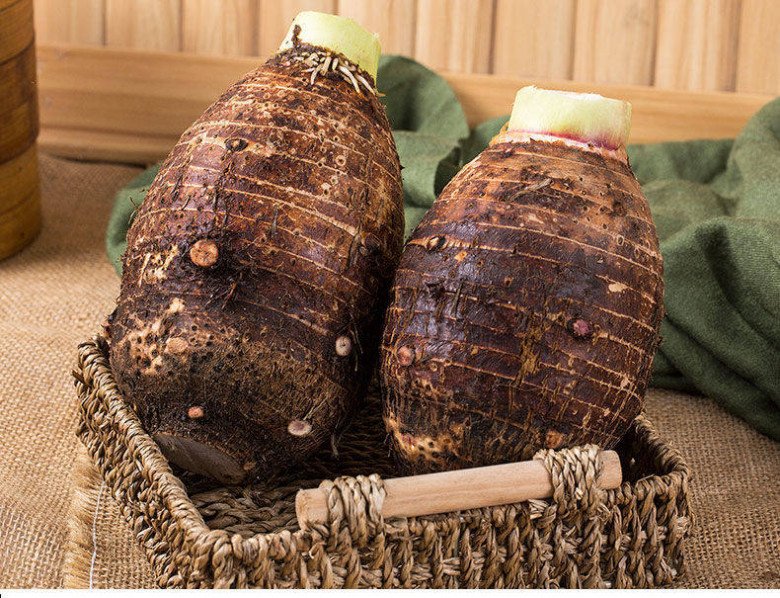
Naturally Gluten-Free
For individuals who need or prefer gluten-free foods, taro offers an attractive option.
Suitable For
-
People with celiac disease
-
Individuals with gluten sensitivity
-
Those following gluten-free diets
Taro can be incorporated into a variety of meals without containing wheat, barley, or rye.
Rich in Important Vitamins and Minerals
Although taro is often appreciated for its carbohydrate content, it also contains several valuable micronutrients.
Nutrients Found in Taro
-
Potassium
-
Magnesium
-
Vitamin C
-
Vitamin E
-
Manganese
-
Copper
These nutrients play roles in numerous bodily functions.
Potassium
Potassium supports:
-
Muscle function
-
Nerve signaling
-
Fluid balance
-
Cardiovascular health
Magnesium
Magnesium contributes to:
-
Energy production
-
Muscle function
-
Bone health
-
Nervous system regulation
Contains Beneficial Antioxidants
Taro contains antioxidant compounds that help protect cells from oxidative stress.
What Is Oxidative Stress?
Oxidative stress occurs when free radicals accumulate faster than the body can neutralize them.
Over time, oxidative stress may contribute to:
-
Cellular damage
-
Aging
-
Various chronic health conditions
Antioxidants help counteract these effects.
Purple Varieties May Offer Additional Benefits
Some purple-fleshed taro varieties contain pigments known as anthocyanins.
These natural compounds are also found in:
-
Blueberries
-
Blackberries
-
Purple sweet potatoes
Anthocyanins have attracted significant scientific interest because of their antioxidant properties.
May Support Heart Health
Several nutrients found in taro may contribute to cardiovascular wellness.
Key Components
-
Fiber
-
Potassium
-
Antioxidants
These nutrients support overall health and may complement heart-conscious dietary patterns.
Heart health depends on many factors, but nutrient-rich whole foods can play an important role.
A Lower-Fat Source of Energy
Unlike many processed foods, taro is naturally low in fat.
This makes it an appealing choice for individuals seeking wholesome sources of energy.
When prepared without excessive added fats, taro can fit into many balanced eating plans.
Versatility in the Kitchen
One reason taro remains popular is its incredible versatility.
Common Uses Include
-
Boiled taro
-
Mashed taro
-
Taro soups
-
Stews
-
Chips
-
Desserts
-
Beverages
Its mild flavor allows it to pair well with both savory and sweet dishes.
Popular Around the World
Taro appears in traditional cuisines across:
-
Hawaii
-
China
-
Japan
-
India
-
Southeast Asia
-
Pacific Island nations
Its broad culinary appeal continues to grow.
Environmental Advantages
The renewed interest in taro is not based solely on nutrition.
Many experts are also interested in its agricultural sustainability.
Why Taro Is Considered Valuable
Depending on local conditions, taro may:
-
Thrive in challenging environments
-
Produce substantial yields
-
Require fewer inputs than some crops
-
Adapt to diverse growing conditions
As global agriculture faces environmental challenges, resilient crops are becoming increasingly important.
Why Traditional Foods Are Making a Comeback
Modern consumers are increasingly exploring foods that have been consumed for generations.
Traditional foods often offer:
-
Nutritional value
-
Cultural significance
-
Minimal processing
-
Agricultural sustainability
Taro fits all of these categories.
Many people are rediscovering foods that previous generations relied upon long before highly processed convenience foods became widespread.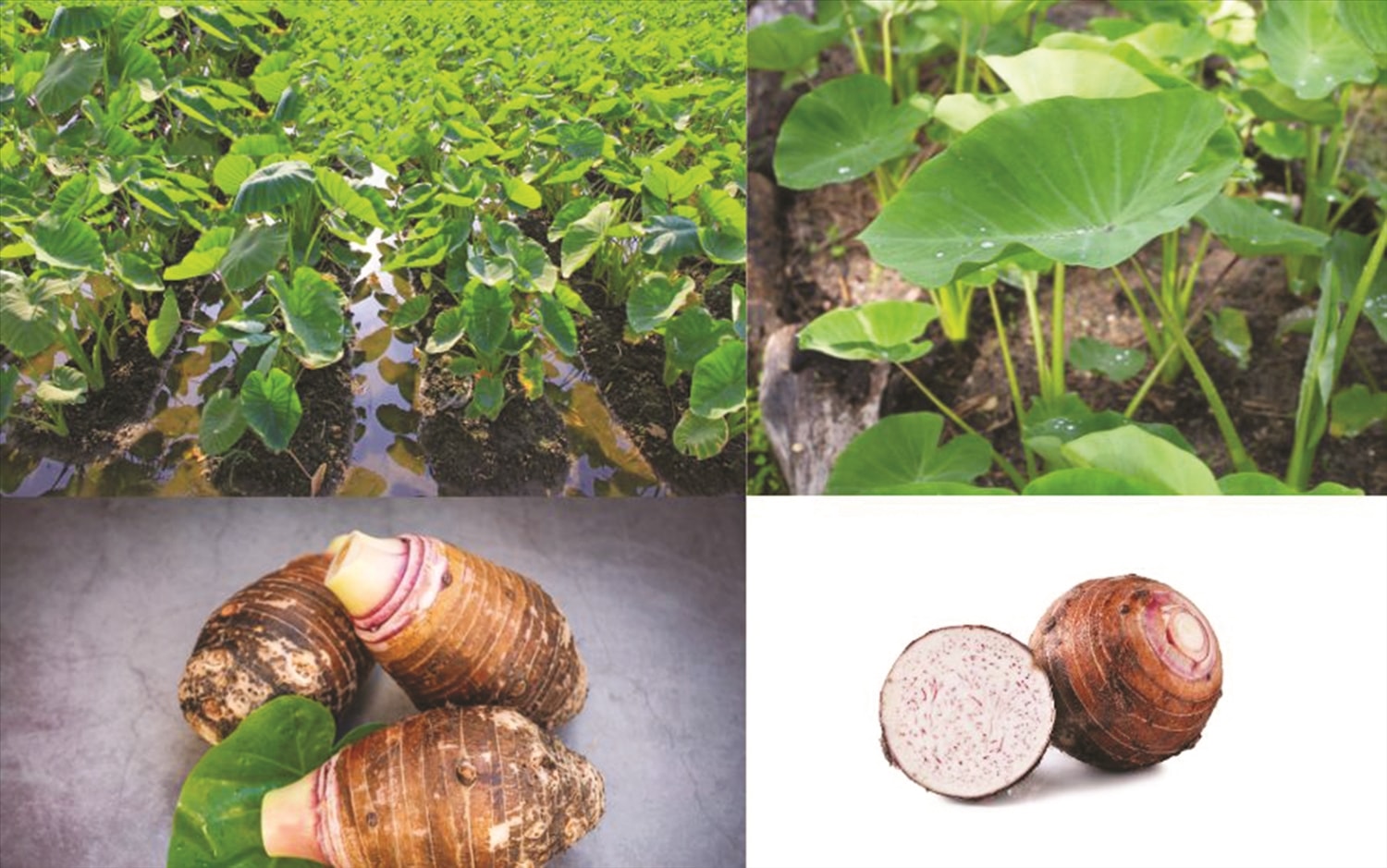
Common Myths About Taro
Myth 1: Taro Is Just Another Potato
Although similar in appearance, taro and potatoes belong to different plant families and have distinct nutritional profiles.
Myth 2: Taro Has No Nutritional Value
In reality, taro provides fiber, vitamins, minerals, and antioxidants.
Myth 3: Ancient Foods Are Outdated
Many traditional foods remain highly relevant because they offer nutritional and environmental benefits.
How to Include Taro in Your Diet
For those new to taro, there are many simple ways to enjoy it.
Easy Ideas
-
Add cooked taro to soups
-
Use it as a side dish
-
Mash it similarly to potatoes
-
Include it in vegetable stews
-
Try baked taro wedges
Always ensure taro is fully cooked before eating.
The Bigger Picture
While taro is undoubtedly nutritious, no single food determines overall health.
The greatest benefits come when nutrient-rich foods are included as part of a balanced lifestyle that emphasizes:
-
Fruits
-
Vegetables
-
Whole grains
-
Lean proteins
-
Physical activity
-
Adequate sleep
Taro can be one valuable component of this broader approach.
Final Thoughts
Taro root is far more than an ancient crop from the past. Rich in fiber, complex carbohydrates, vitamins, minerals, and antioxidants, it offers a combination of nutritional benefits that align well with modern health goals. Its versatility in the kitchen, naturally gluten-free nature, and potential environmental advantages make it increasingly relevant in today's world.
As interest in traditional foods continues to grow, taro is earning renewed recognition as a nutritious and sustainable choice. While it may not receive as much attention as some trendy superfoods, its long history of nourishing communities around the globe suggests that this ancient root vegetable still has much to offer.
Sometimes the best innovations for the future come from rediscovering the wisdom of the past—and taro root may be a perfect example.