Fish is widely regarded as one of the healthiest sources of protein available. Rich in high-quality protein, omega-3 fatty acids, vitamins, and minerals, fish can be an excellent addition to a balanced diet. Health experts often recommend eating fish regularly as part of a heart-healthy lifestyle.
However, not all fish sold in markets are equal in quality. While price can sometimes be a useful indicator, a low price does not necessarily mean a fish is a good bargain. In some cases, unusually cheap fish may be less fresh, improperly stored, or show signs of quality issues that consumers should carefully evaluate before purchasing.
Knowing how to identify fish that may not be worth buying can help protect both your health and your wallet.
Here are 6 types of fish that deserve extra caution when shopping.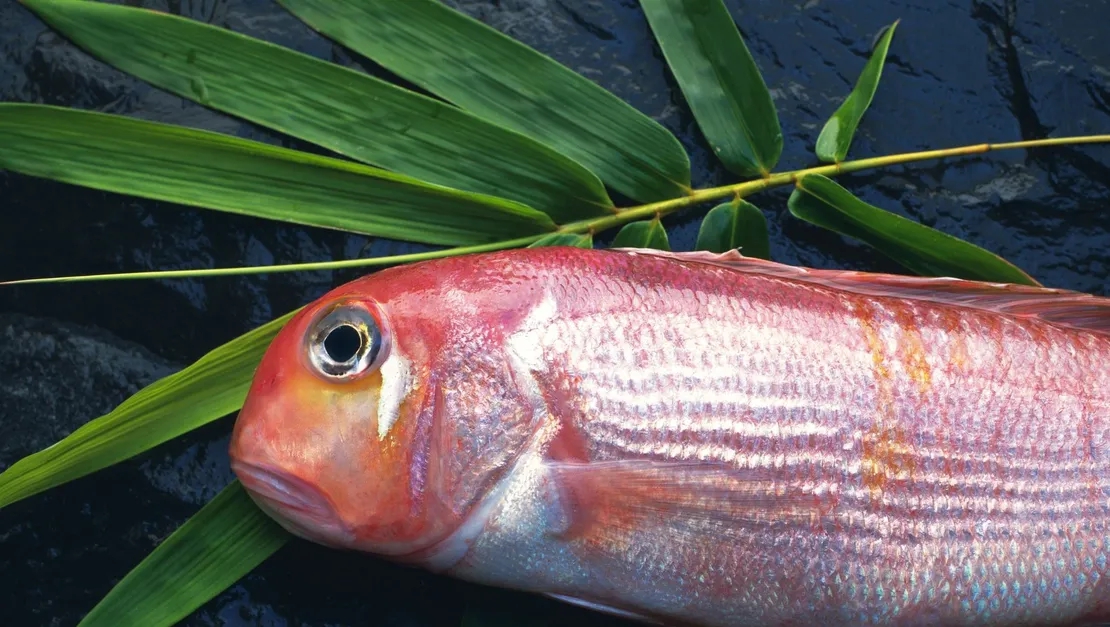
1. Fish With a Strong, Unpleasant Odor
Fresh fish should never have an overpowering "fishy" smell.
Many people mistakenly believe that all fish naturally smell strong, but truly fresh fish typically has only a mild scent.
Warning Signs
Avoid fish that smells:
-
Sour
-
Ammonia-like
-
Rotten
-
Overly fishy
Why It Matters
As fish begins to spoil, bacteria break down proteins and produce unpleasant odors.
A strong smell is often one of the earliest signs that freshness has declined.
What Fresh Fish Should Smell Like
Fresh fish often has:
-
A clean scent
-
A mild ocean-like smell
-
Little to no noticeable odor
If the smell immediately makes you step back, it is usually best to choose another option.
2. Fish With Cloudy or Sunken Eyes
If purchasing whole fish, the eyes can reveal a great deal about freshness.
Healthy Appearance
Fresh fish usually have:
-
Bright eyes
-
Clear eyes
-
Slightly bulging eyes
Warning Signs
Avoid fish with:
-
Cloudy eyes
-
Milky eyes
-
Sunken eyes
-
Dry-looking eyes
Why This Happens
As fish ages after being caught, the eyes gradually lose moisture and clarity.
Although eye appearance alone cannot determine safety, it can provide an important clue regarding freshness.
3. Fish With Soft or Mushy Flesh
Texture is another important indicator.
Fresh fish should feel firm and resilient.
Simple Test
If allowed by the seller, gently press the flesh.
Fresh fish typically:
-
Springs back quickly
-
Feels firm
-
Maintains its shape
Warning Signs
Be cautious if the fish:
-
Feels mushy
-
Leaves a dent when pressed
-
Appears overly soft
-
Falls apart easily
These changes may indicate deterioration.
4. Fish With Discolored Gills
When buying whole fish, examining the gills can provide valuable information.
Fresh Gills
Fresh fish generally have:
-
Bright red gills
-
Pinkish-red gills
-
Moist appearance
Warning Signs
Avoid fish with gills that appear:
-
Brown
-
Gray
-
Greenish
-
Dry or slimy
Why Gills Matter
The gills are highly sensitive to spoilage and often show signs of aging before other parts of the fish.
5. Fish With Excessive Ice Crystals or Freezer Burn
Frozen fish can be a healthy and convenient option when properly stored.
However, certain signs may indicate problems.
Warning Signs
Look for:
-
Large ice crystals
-
Thick frost buildup
-
Torn packaging
-
Dry white patches
Possible Causes
These signs may suggest:
-
Repeated thawing and refreezing
-
Improper storage
-
Extended freezer exposure
Why This Matters
Repeated temperature changes can negatively affect both quality and texture.
The fish may become:
-
Dry
-
Tough
-
Less flavorful
6. Fish With Dull Skin and Excessive Slime
The skin of fresh fish often has a natural shine.
Healthy Appearance
Fresh fish skin usually appears:
-
Bright
-
Moist
-
Metallic
-
Glossy
Warning Signs
Be cautious if the fish has:
-
Dull coloration
-
Excessive slime
-
Sticky residue
-
Dry patches
Why It Matters
Changes in skin appearance can indicate loss of freshness.
Although a small amount of natural mucus is normal, excessive sliminess may signal spoilage.
Why Cheap Fish Isn't Always a Bargain
Many shoppers are attracted to discounted seafood.
While sales can offer genuine value, unusually low prices may sometimes reflect:
-
Aging inventory
-
Reduced freshness
-
Overstock situations
-
Quality concerns
This does not mean inexpensive fish is always poor quality.
Rather, consumers should carefully inspect products before making a purchase.
Fresh Fish vs. Frozen Fish
A common misconception is that fresh fish is always superior.
In reality, properly frozen fish can be extremely nutritious.
Advantages of Frozen Fish
-
Longer shelf life
-
Consistent quality
-
Convenient storage
-
Often frozen shortly after being caught
The key is ensuring proper handling throughout the supply chain.
Tips for Buying Better Fish
Shop at Reputable Sellers
Established seafood vendors often maintain stricter quality standards.
Check Storage Conditions
Fish should be:
-
Properly refrigerated
-
Stored on clean ice
-
Protected from contamination
Examine Appearance Carefully
Pay attention to:
-
Eyes
-
Skin
-
Gills
-
Texture
Trust Your Sense of Smell
Odor remains one of the most reliable indicators of freshness.
Ask Questions
Do not hesitate to ask:
-
When the fish arrived
-
Whether it was previously frozen
-
Where it was sourced
Health Benefits of Choosing Quality Fish
Selecting fresh, high-quality fish can provide numerous nutritional benefits.
Fish is often rich in:
Omega-3 Fatty Acids
These fats support:
-
Heart health
-
Brain function
-
Inflammation regulation
High-Quality Protein
Protein helps maintain:
-
Muscles
-
Bones
-
Tissues
Essential Nutrients
Fish may provide:
-
Vitamin D
-
Selenium
-
Iodine
-
B vitamins
Choosing quality products helps ensure you receive these nutritional benefits.
Common Myths About Fish Freshness
Myth 1: A Strong Fish Smell Means Freshness
In reality, fresher fish generally smells mild.
Myth 2: Frozen Fish Is Always Inferior
Properly frozen fish can be highly nutritious and of excellent quality.
Myth 3: Cheap Fish Is Always Unsafe
Price alone does not determine quality.
Inspection and proper handling matter much more.
When to Throw Fish Away
Even after purchase, fish should be discarded if it develops:
-
A sour smell
-
Slimy texture
-
Unusual discoloration
-
Signs of spoilage
When in doubt, it is safer not to consume questionable seafood.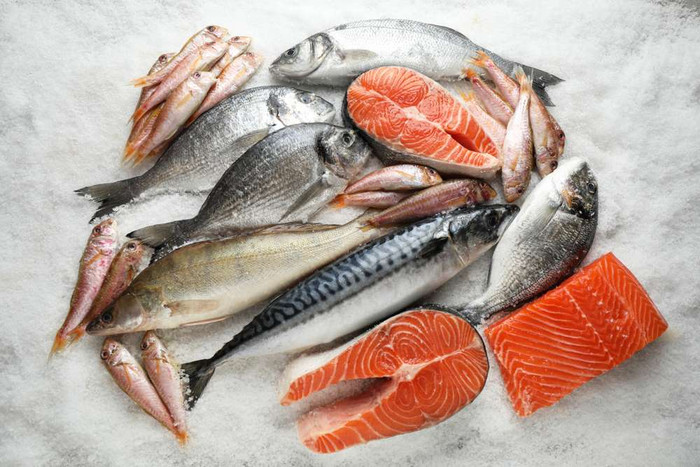
Final Thoughts
Fish can be one of the healthiest foods available, but quality matters. Whether shopping at a local market, grocery store, or seafood counter, paying attention to freshness indicators can help you make better choices.
Fish with strong odors, cloudy eyes, mushy flesh, discolored gills, excessive freezer damage, or unusual slime may not provide the quality or value consumers expect—even if the price seems attractive.
Rather than focusing solely on cost, consider freshness, storage conditions, appearance, and overall quality. A slightly higher price for a fresher product is often a better investment in both flavor and health. By learning how to identify warning signs, you can shop more confidently and enjoy seafood that is both safe and delicious.