Although mustard greens offer many health benefits, they are not suitable for everyone. Here are five groups of people who should be careful when consuming this vegetable.
Seasonal produce is often the healthiest choice. From September to April is considered the ideal season for mustard greens. During this time, the leaves are tender, crisp, naturally sweet, and rich in nutrients. Choosing vegetables that are in season can also help reduce exposure to pesticide residues and growth stimulants, promoting better health for the whole family.
Mustard greens are not only delicious and safe to eat during their peak season, but they are also highly nutritious. Research shows that they contain vitamins A, B, C, and K, nicotinic acid, carotene, albumin, calcium, and many other beneficial nutrients.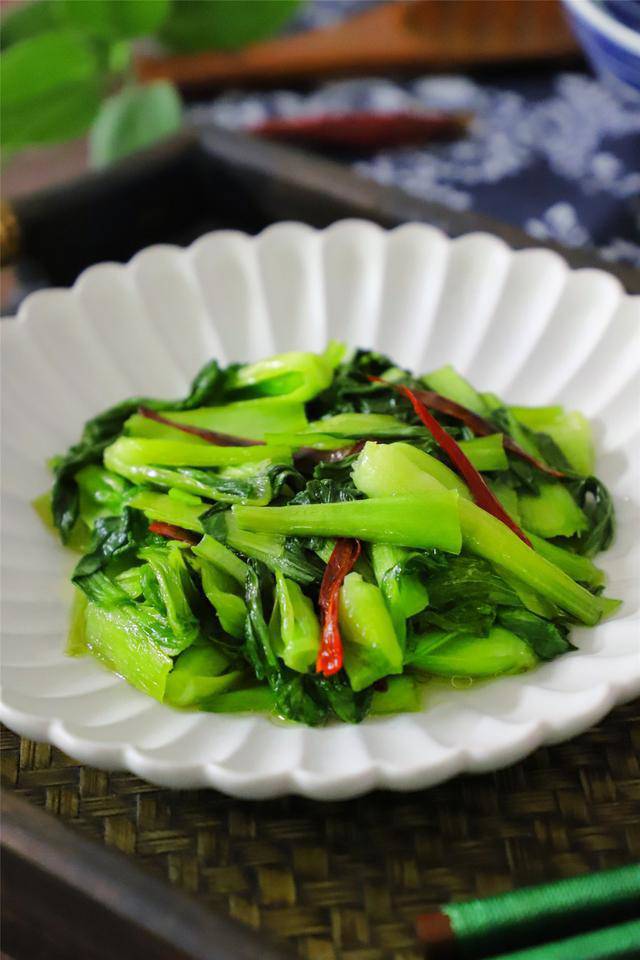
According to traditional medicine practitioner Bui Dac Sang of the Vietnam Academy of Science and Technology and the Hanoi Oriental Medicine Association, mustard greens have a slightly bitter and spicy taste and are considered warming in nature. Traditionally, they have been used to help relieve coughs, support recovery from colds, reduce inflammation, and promote overall respiratory health.
However, despite their nutritional value, mustard greens may not be appropriate for everyone.
5 Groups of People Who Should Limit or Avoid Mustard Greens
1. People with Hypothyroidism or Certain Thyroid Conditions
Mustard greens contain many nutrients that support overall health. However, people with thyroid disorders such as hypothyroidism, thyroid cancer, or goiter should be cautious because cruciferous vegetables contain compounds known as goitrogens, which may interfere with thyroid function when consumed in large amounts.
If individuals with thyroid conditions wish to eat mustard greens, they should wash them thoroughly and cook them properly. It is also advisable to consult a healthcare professional regarding an appropriate amount for their diet.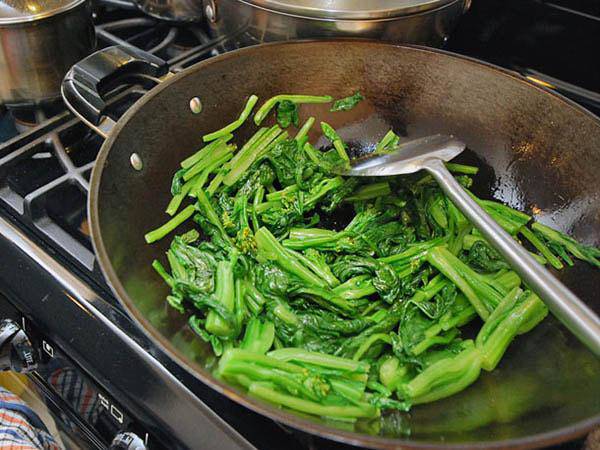
2. People with Stomach Problems, Bloating, or Excess Gas
Individuals who suffer from stomach discomfort, bloating, or digestive gas may find that eating large amounts of mustard greens worsens these symptoms. This is especially true when the vegetables are eaten raw.
To reduce the likelihood of digestive discomfort, mustard greens should be cooked before consumption.
3. Pregnant Women
Vegetables are an important part of a healthy pregnancy diet, but pregnant women should be selective about the sources of their produce. Mustard greens are susceptible to insect damage, which may lead to heavier pesticide use in some growing conditions.
Pregnant women should choose mustard greens from trusted sources, preferably home-grown or organically produced when possible. The vegetables should be washed thoroughly before cooking. Raw mustard greens and fermented mustard-green products may not be suitable during pregnancy if food safety cannot be guaranteed.
4. People with Gastrointestinal Inflammation
Individuals suffering from inflammatory digestive conditions should avoid consuming raw mustard greens, including fermented products such as kimchi, pickled mustard greens, and certain salads.
These foods may irritate inflamed or sensitive areas of the digestive tract and potentially worsen symptoms.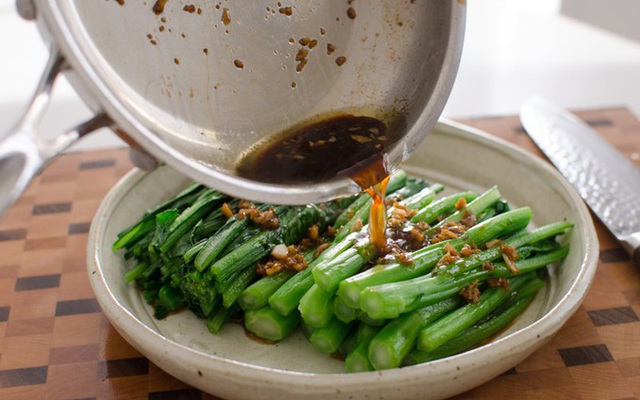
5. People with Gout or a High Risk of Gout
Mustard greens contain moderate amounts of purines. Purines are naturally occurring compounds that break down into uric acid in the body. High levels of uric acid can contribute to gout in susceptible individuals.
People who have gout or are at high risk of developing the condition should consult their healthcare provider about how much mustard greens they can safely include in their diet.
Tips for Choosing and Using Mustard Greens Safely
- Choose young vegetables with fresh green leaves and thick stems.
- Wash vegetables thoroughly before cooking.
- Avoid eating raw mustard greens from unknown sources.
- Consume cooked mustard greens shortly after preparation.
- Do not leave cooked mustard greens overnight. Over time, naturally occurring nitrates in vegetables can be converted into nitrites, which may pose health risks if consumed in excessive amounts.

When selected carefully and prepared properly, mustard greens can be a nutritious addition to a balanced diet. However, people with the conditions listed above should exercise caution and seek medical advice if necessary.