If You Often Notice Ringing in Your Ears, This Might Be a Sign Your Body Is Trying to Warn You
Hearing a constant ringing, buzzing, or hissing sound in your ears—especially when everything around you is quiet—can feel strange, even unsettling. Many people experience this occasionally and brush it off. But when it happens frequently, it may be more than just a random annoyance.
This condition is known as tinnitus, and while it’s common, it should never be ignored when it becomes persistent.
What Is Tinnitus?
Tinnitus is the perception of sound without an external source. It can sound like:
- Ringing
- Buzzing
- Whistling
- Clicking
- Humming
For some, it comes and goes. For others, it becomes a constant background noise that affects concentration, sleep, and overall quality of life.
Why Does It Happen?
Tinnitus is not a disease itself—it’s a symptom. That means it’s usually linked to something else happening in the body.
1. Exposure to Loud Noise
One of the most common causes is damage from loud sounds.
Frequent exposure to:
- Headphones at high volume
- Loud music environments
- Industrial or construction noise
can damage tiny hair cells in the inner ear. Once damaged, these cells don’t regenerate, leading to persistent ringing.
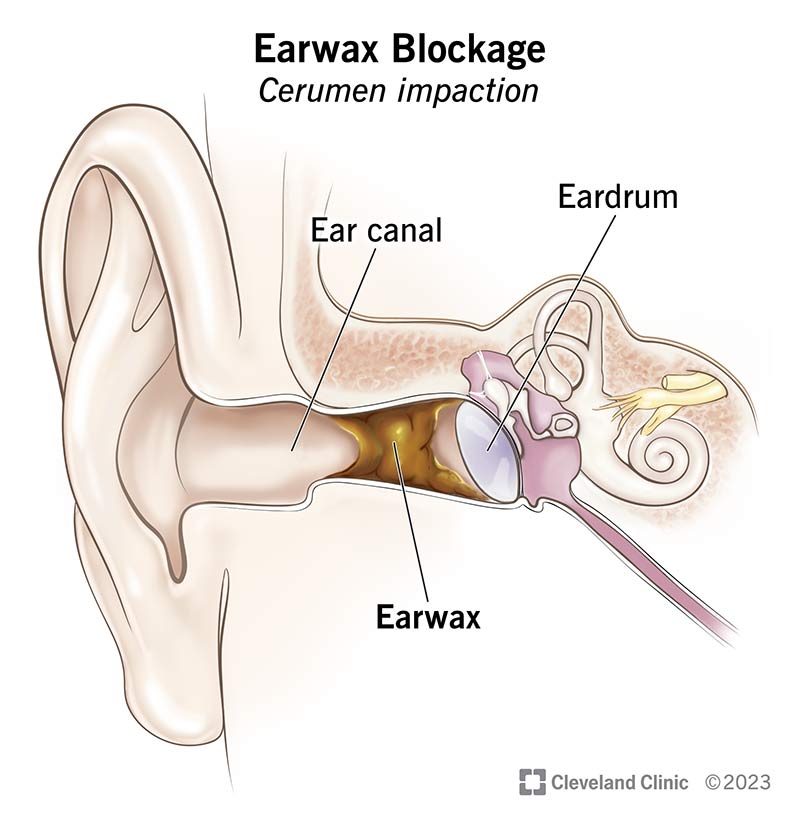
2. Earwax Buildup or Blockage
Sometimes the cause is surprisingly simple. Excess earwax can block the ear canal, affecting how sound is transmitted.
This may lead to:
- Ringing sensations
- Reduced hearing
- A feeling of fullness in the ear
Removing the blockage often relieves symptoms quickly.

 4
4
3. Stress and Anxiety
Mental health plays a major role in tinnitus. High stress levels can amplify how the brain processes sound signals.
This can result in:
- Increased awareness of ringing
- Louder or more persistent sounds
- Difficulty sleeping
It becomes a loop—stress worsens tinnitus, and tinnitus increases stress.
4. Circulatory Problems
In some cases, tinnitus is linked to blood flow issues.
Conditions like:
- High blood pressure
- Poor circulation
can cause a pulsing or rhythmic sound in the ears, often described as “whooshing.”
5. Hearing Loss (Even Mild)
Age-related hearing loss or gradual decline in hearing ability can trigger tinnitus.
When the brain receives less external sound input, it may “fill in the gaps” by generating internal noise—what you hear as ringing.
6. Medication Side Effects
Certain medications can affect the inner ear or auditory nerves, including:
- Some antibiotics
- High doses of aspirin
- Certain anti-inflammatory drugs
If tinnitus starts after taking a new medication, it’s worth checking.
When Should You Be Concerned?
Occasional ringing is usually harmless. But take it seriously if:
- It happens frequently or constantly
- It’s getting louder over time
- It affects sleep or concentration
- It’s accompanied by dizziness or hearing loss
These signs suggest it’s time for a proper evaluation.
What Can You Do About It?
While tinnitus doesn’t always have a quick fix, there are ways to manage and reduce its impact:
Protect your ears
Avoid prolonged exposure to loud sounds.
Manage stress
Relaxation techniques can reduce symptom intensity.
Check ear health
Address wax buildup or infections early.
Limit stimulants
Reduce caffeine and nicotine, which can worsen symptoms.
Seek professional advice
An ear specialist can help identify the exact cause.
Final Thoughts
Ringing in the ears might seem like a small issue—but it can be a signal worth listening to. Whether it’s related to hearing damage, stress, or circulation, tinnitus is the body’s way of asking for attention.
Ignoring it won’t make it disappear. Understanding it, however, is the first step toward managing it—and protecting long-term hearing health.