One Person Boils Water, the Whole Family Gets Sick? 3 Dangerous Water-Boiling Habits That May Be Quietly Harming Your Health
Boiling water is one of the most basic daily habits. It feels safe, clean, and even healthy. But here’s the twist—if done incorrectly, this simple act can actually introduce hidden risks into everyday life. Many households repeat the same boiling routines for years without realizing they may be exposing themselves to harmful substances.
Let’s break down the truth behind these common habits and why they might not be as harmless as they seem.
Why Boiling Water Matters More Than You Think
Water quality directly impacts overall health. While boiling is meant to eliminate bacteria and pathogens, it does not remove all harmful substances. In some cases, improper boiling habits can even concentrate toxins instead of eliminating them.
That means the way water is boiled is just as important as boiling itself.
1. Reboiling Water Multiple Times
This is one of the most common habits—boiling water, letting it cool, and then boiling it again throughout the day.
At first glance, this seems efficient. But chemically, repeated boiling can lead to the accumulation of certain dissolved substances such as:
- Nitrates
- Fluoride
- Arsenic (in trace amounts depending on water source)
When water evaporates during boiling, these substances become more concentrated. Over time, consuming such water may increase health risks, especially in areas where water quality is already questionable.
Key insight: Boiling kills microbes—but it does not remove heavy metals or chemical residues.
2. Using Low-Quality or Damaged Pots
The type of cookware used plays a bigger role than most people think.
Old or low-quality pots—especially those made from poor-grade aluminum or damaged stainless steel—can release harmful substances when exposed to high heat. Scratched or corroded surfaces are particularly risky.
Potential issues include:
- Metal leaching into water
- Chemical contamination from degraded coatings
- Long-term exposure to unwanted compounds
Using certified, high-quality cookware and replacing worn-out pots is a simple but critical step in protecting health.

 4
4
3. Boiling Tap Water Without Proper Filtration
Many people assume that boiling tap water makes it completely safe. While it does eliminate bacteria and viruses, it does not remove:
- Chlorine and its byproducts
- Heavy metals like lead
- Industrial pollutants
In fact, boiling can sometimes increase the concentration of these substances due to evaporation.
If the water source contains contaminants, boiling alone is not enough. A proper filtration system is often necessary before boiling.
Other Risky Habits You Might Be Ignoring
Beyond the main three, there are smaller habits that can quietly impact water safety:
- Leaving boiled water uncovered for long periods
- Storing water in unclean containers
- Using electric kettles with mineral buildup or scale
These factors may not seem serious individually, but over time, they can contribute to reduced water quality.
How to Boil Water Safely
To reduce potential risks, a few simple adjustments can make a big difference:
Use fresh water each time
Avoid reboiling leftover water multiple times.
Choose safe cookware
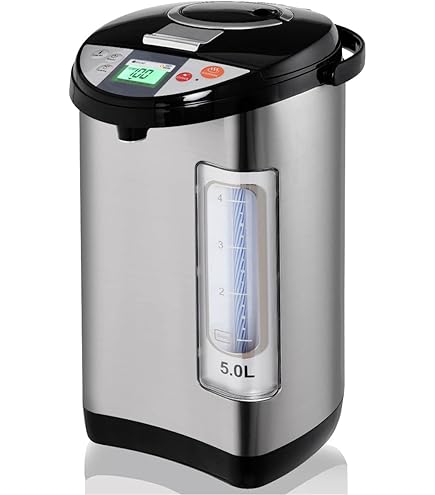
Opt for high-quality stainless steel or glass kettles and replace them when worn.
Filter before boiling
Use a reliable filtration system if tap water quality is uncertain.
Keep everything clean
Regularly clean kettles, pots, and storage containers to prevent buildup.
Should You Be Worried?
Not every instance of improper boiling leads to serious health issues. However, long-term exposure to contaminated or poorly handled water can contribute to cumulative health risks.
The key takeaway is awareness. Small daily habits, when repeated over time, can have a significant impact on overall well-being.
Final Thoughts
Boiling water feels like the safest option—and in many ways, it is. But safety depends on how it’s done. From reboiling to cookware quality and water source, these overlooked details matter more than most people realize.
Sometimes, the most ordinary habits carry hidden consequences. Paying attention to them today can help protect long-term health for the entire household.