
3 Best Times to Drink Coconut Water for Maximum Health Benefits + Who Needs It Daily
3 Perfect Times to Drink Coconut Water + Who Should Drink It Every Day

The Stepfather I Refused to Call Dad Never Gave Up on Me
The house on Juniper Lane always smelled like cedarwood and hope, though for a long time, I refused to inhale any of it. When my mother married Benjamin, I was fourteen—an age where loyalty is a sharp, jagged thing and the world is strictly divided into "us" and "them." To me, Benjamin was a permanent "them." He was a quiet man, a civil engineer who spoke in measured sentences and wore plaid shirts that always looked a little too crisp.
My biological father, Jackson, was the sun I orbited from a distance. He lived in California, sent postcards from jazz festivals, and called every three months with stories of a life that seemed far more glittering than our suburban existence in Virginia. In my teenage mind, every kind word I offered Benjamin was a betrayal of Jackson. Every time I laughed at one of Benjamin’s understated jokes, I felt like I was erasing a memory of the man who shared my last name.
For four years, our relationship was defined by the "Great American Silence." We ate dinner every night in a kitchen that felt too small for the tension I brought to the table.
"How was the calculus exam, Elena?" Benjamin would ask, his voice steady and genuinely curious.
"Fine," I’d reply, staring at my mashed potatoes as if they held the secrets of the universe.
"Benjamin fixed the light in your closet today, sweetie," my mom would add, trying to bridge a gap that I was determined to keep wide.
"I didn't ask him to," I’d mutter, sliding my chair back and retreating to the sanctuary of my room.
Benjamin never pushed. He never demanded I call him "Dad," and he never tried to give me the "I’m the man of the house" speech. He just existed in the periphery, a silent sentinel who made sure the oil in my car was changed and the gutters were clear. I mistook his patience for indifference. I thought he was just a guest in my mother’s life who had decided to stay too long.
The shift began during the spring of my senior year. I had been obsessed with the idea of attending the prestigious Summer Leadership Institute in Washington, D.C. It was a highly competitive program, a gateway to the kind of political science career I dreamed of. When the acceptance letter arrived, I felt like I had finally found my exit strategy.
But there was a catch. The tuition and travel costs were astronomical, and the scholarship I had applied for fell through at the last minute. My mother was heartbroken, and my father, Jackson, called to say that things were "a bit tight" and that maybe next year would be better.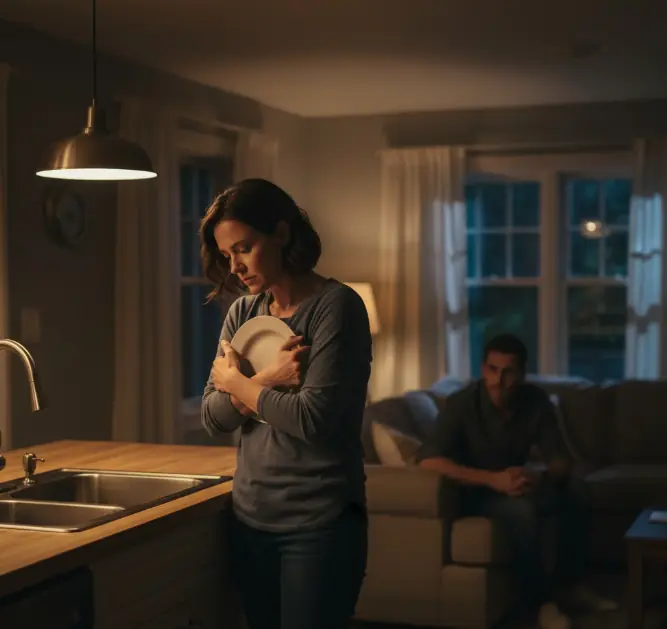
I spent three days in a fog of disappointment. I didn't cry—at least not where anyone could see. I just accepted that the door had closed.
On a rainy Tuesday, I found a plain white envelope on the kitchen island. Inside was a cashier’s check for the full amount of the program, along with a printed itinerary for the train ride. There was no card, no grand note, just a small yellow sticky note with five words: The world needs your voice.
I knew it wasn't Jackson. And I knew my mother didn't have that kind of savings tucked away.
I found Benjamin in the garage, working on a wooden birdhouse. The smell of sawdust was thick in the air. I stood in the doorway, the envelope clutched in my hand, feeling the weight of my own stubbornness.
"Why?" I asked.
Benjamin didn't look up immediately. He finished sanding a corner before setting the block down. "Because you worked for it, Elena. You wrote the essays. You stayed up until two in the morning studying. It would be a waste of a good bridge if no one ever crossed it."
"I can't pay you back," I whispered, the lump in my throat finally making it hard to breathe. "Not for a long time."
"I’m not a bank, Elena," he said, finally looking at me. His eyes were kind, devoid of the "I told you so" I expected. "I’m just a guy who’s been watching you grow up for four years. I know what you’re capable of."
I wanted to say thank you. I wanted to tell him that I had been wrong. But the habits of four years were hard to break. I just nodded and walked away.
The program changed my life. I found my footing, my confidence, and my future. But more importantly, I found perspective. Away from the house on Juniper Lane, I began to see the "road" that had been paved for me. I saw that Jackson’s postcards were thin, but Benjamin’s presence was solid. I realized that a father isn't the person who shares your DNA; he’s the person who shows up when the world feels too expensive or too loud.
The reconciliation didn't happen in a Hollywood moment. It happened in the quiet spaces between my college graduation and my first job offer.
Last year, I got married. It was a beautiful, small ceremony in a garden. Jackson was there, looking dashing and telling stories to my bridesmaids. But when the time came for the father-daughter dance, there was a silence that felt different than the one from my teenage years.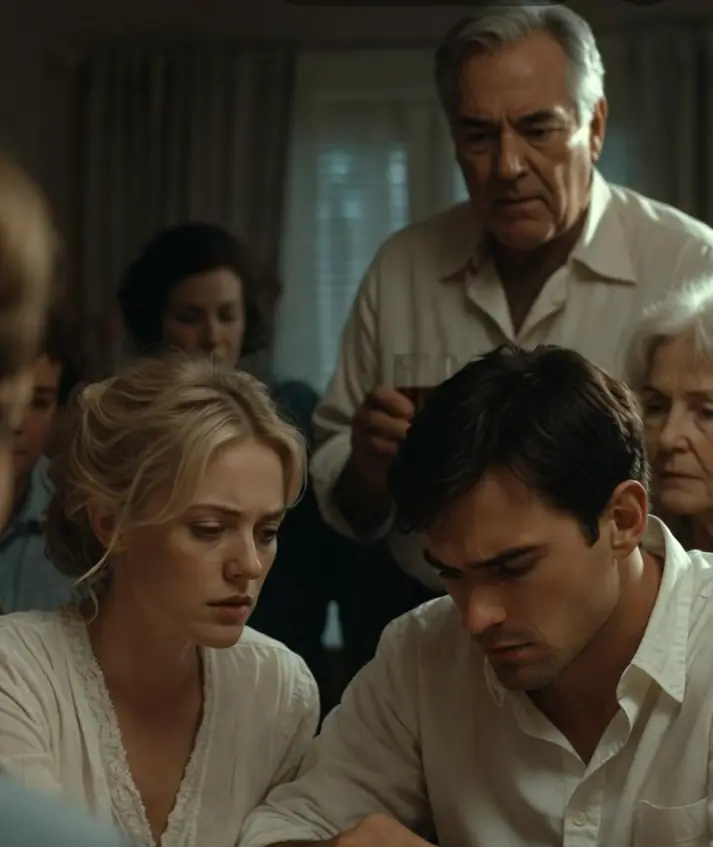
I walked over to Benjamin. He was standing near the punch bowl, looking proud but content to stay in the background, as he always had.
"Benjamin?" I said.
"You look beautiful, Elena," he said, adjusting his tie. "A very successful build, this wedding."
"I was wondering," I said, my voice trembling. "If you would walk me to the floor. For the dance."
Benjamin paused. For the first time in nearly a decade, I saw a crack in his composure. His eyes misted over. "I wouldn't want to step on Jackson’s toes. He’s your father."
I took his hand. It was rough from years of engineering and woodworking, a hand that had fixed my closet lights, changed my tires, and signed the check that changed my life.
"Jackson is my father," I said, loud enough for him to hear. "But you... you are my dad. And I think it’s time I acknowledged the bridge you built."
We danced to a slow, simple song. We didn't talk much—we never really did—but the silence was finally full. It was full of gratitude, of four years of missed "thank yous," and of the realization that love is shown through presence, not postcards.
When the dance ended, I kissed his cheek. "I love you, Dad," I whispered.
He squeezed my hand. "I’ve known that for a long time, Elena. I was just waiting for you to find the words."
I realized then that Benjamin hadn't been "intruding" on my loyalty to my father; he had been honoring it by waiting until I was ready to expand my heart. He had never given up on me, even when I had given him every reason to.
We are the Millers, and our family story isn't a straight line. It’s a series of detours, construction zones, and bridges. But standing there on the dance floor, I realized that the strongest structures aren't the ones that look the flashiest from the outside. They’re the ones with the deepest foundations, built slowly, brick by brick, by a man who was patient enough to let the cement dry.
Love doesn't require us to choose sides. It just asks us to recognize the people who stay. And as I looked at the man who had never once asked for the title he had so clearly earned, I knew I was finally home.
The Great American Silence was finally over. And the music was beautiful.
3 Perfect Times to Drink Coconut Water + Who Should Drink It Every Day

Protect Your Heart: Foods People with High Cholesterol Should Limit

The Night I Was Called the “Family Mistake”—and the Day They Came Back in Tears

Standing My Ground: When “Family First” Turned Into a Threat

My “Golden Child” Sister Tried to Turn My First Home Into Her Family’s Free Ride

A “Family Weekend” That Turned Into a Lesson They Won’t Forget

A Signature, a Family Secret, and the $9.8 Million Silence

And how long will this freeloader continue to live it up at our expense? She’s been here three months, eating wine and red caviar

A weak woman forbade her husband from entering the hospital room. The doctor turned pale upon discovering the truth

My Husband Brought His Girlfriend Home—But When He Followed Me, He Discovered the Truth He Never Expected

I hid the truth about my business and income from my fiancé and his family, and at a family dinner they found out the truth

The future bride arrived at the groom’s family home, dictating her terms. But the mother-in-law was wiser
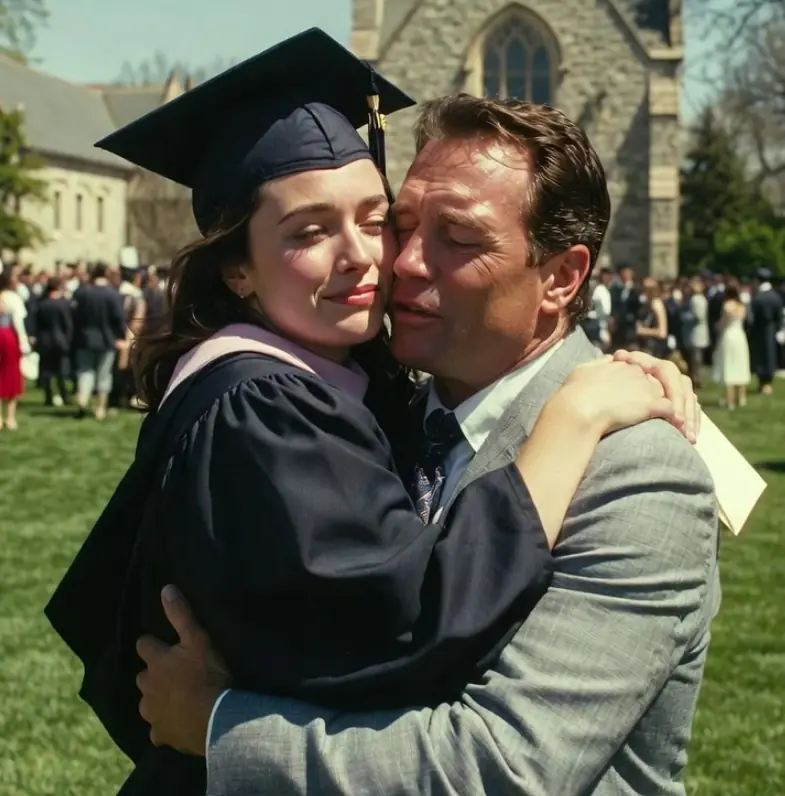
The Promise My Stepfather Made On My Graduation Day
Living Between Two Homes Taught Me What My Stepmother Was Really Trying to Do
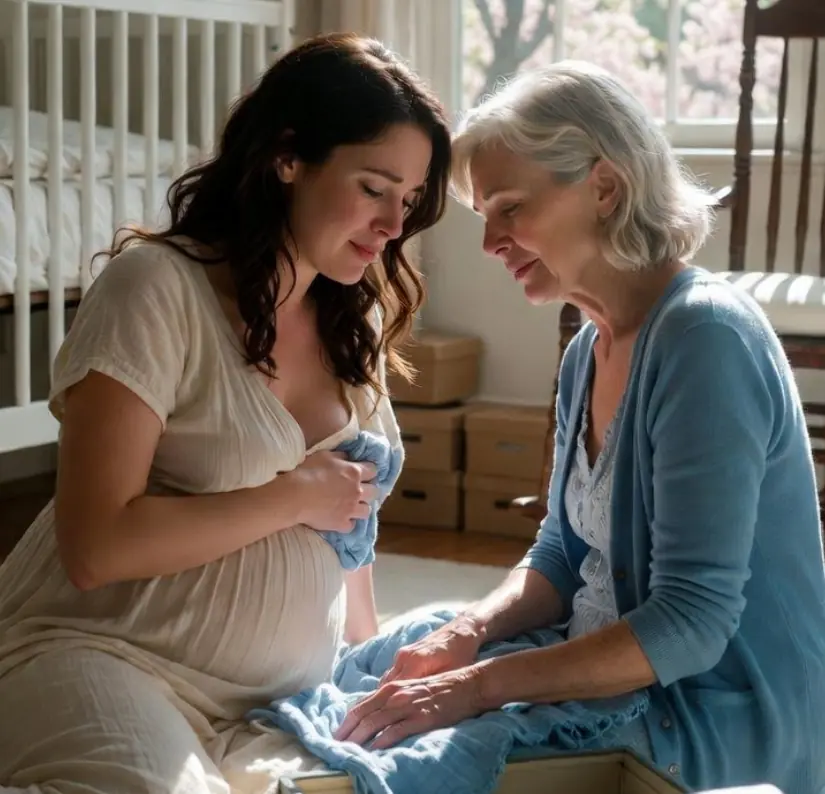
My Mother-in-Law and I Cried Over the Same Baby Blanket
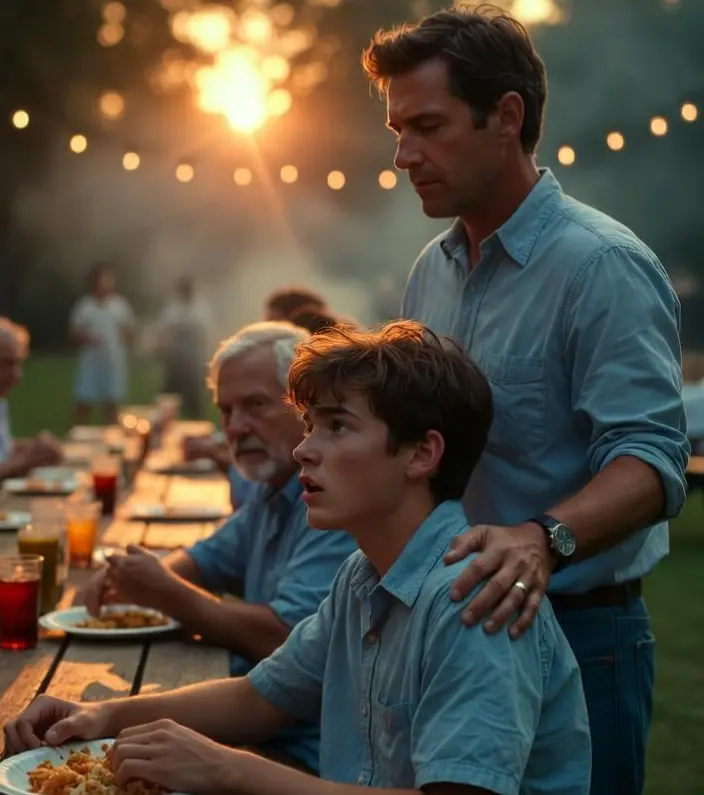
The Day My Stepfather Defended Me Without Saying Much
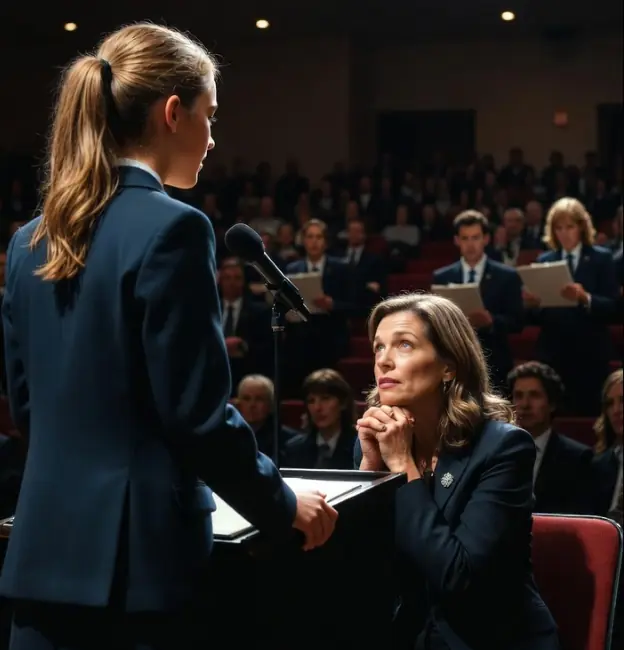
My Stepmother Sat in the Front Row When No One Else Did
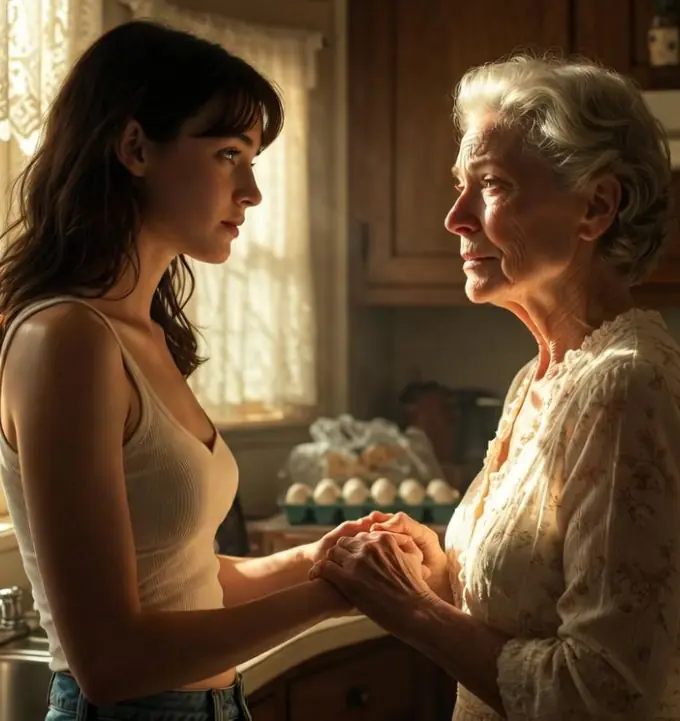
The Letter My Mother-in-Law Never Meant for Me to Read Changed Everything
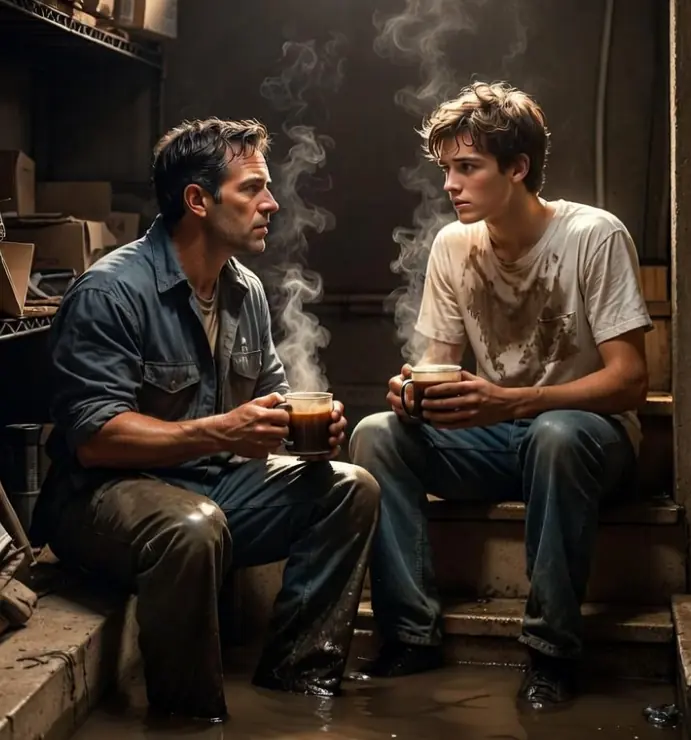
The Weekend My Stepfather and I Finally Said What We Were Afraid To Admit
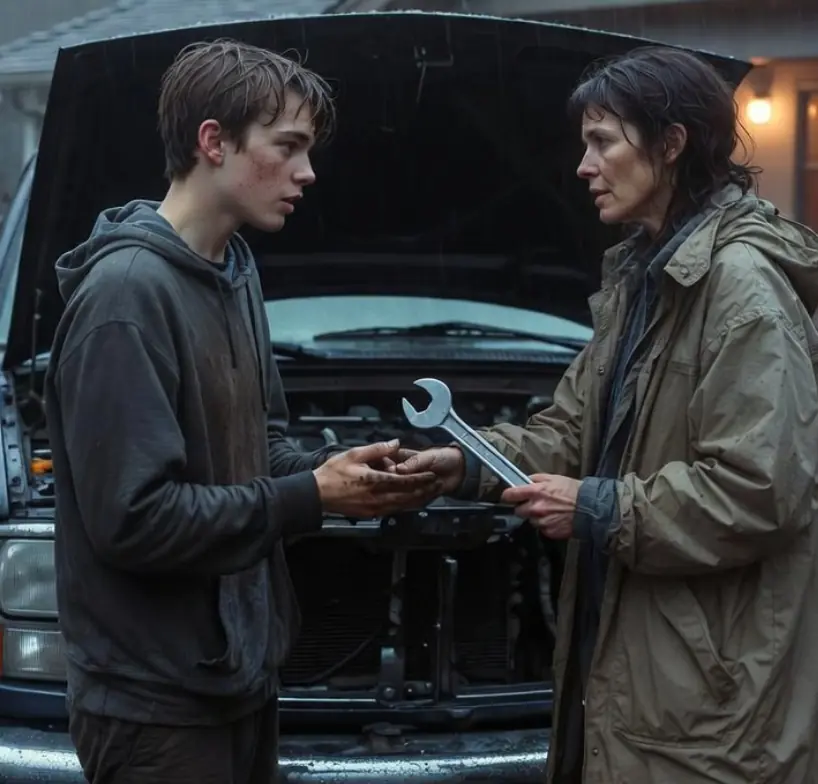
Living with My Stepmother After the Divorce Wasn’t the End of My Family

Walnuts and your health—what experts want you to know

Why Experts Are Suddenly Talking About Winged Beans

Before you eat peanuts daily, here’s what doctors recommend
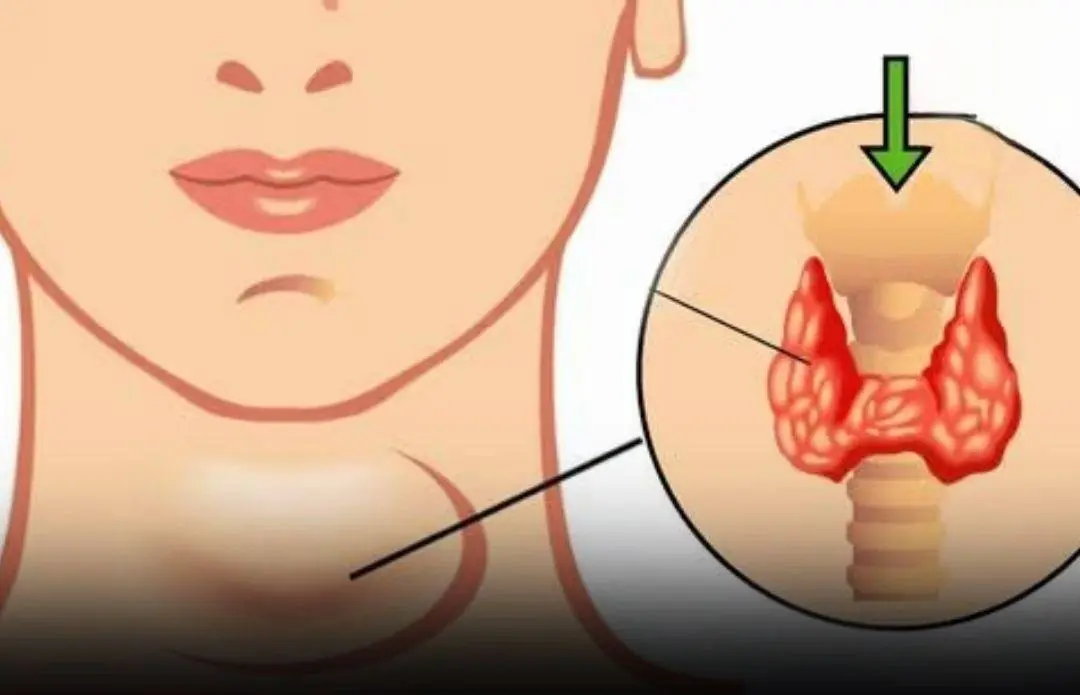
Thyroid Can.cer Warning: 7 Early Body Changes — The First 3 Are Surprisingly Common

If You Notice THIS on Your Lips, Don’t Ignore It…
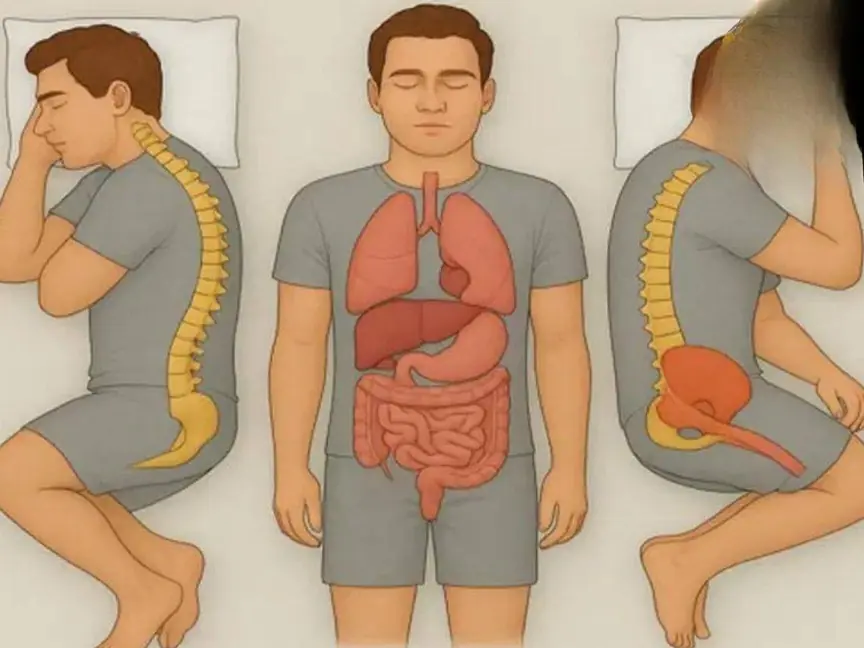
Are you sleeping the wrong way? How your sleep position silently impacts your health - let’s break it down
If your hip hurts, it's a clear sign that...

Thêm mới.html
What you eat can affect your body’s smell—especially this
These symptoms can appear 30 days before a stroke
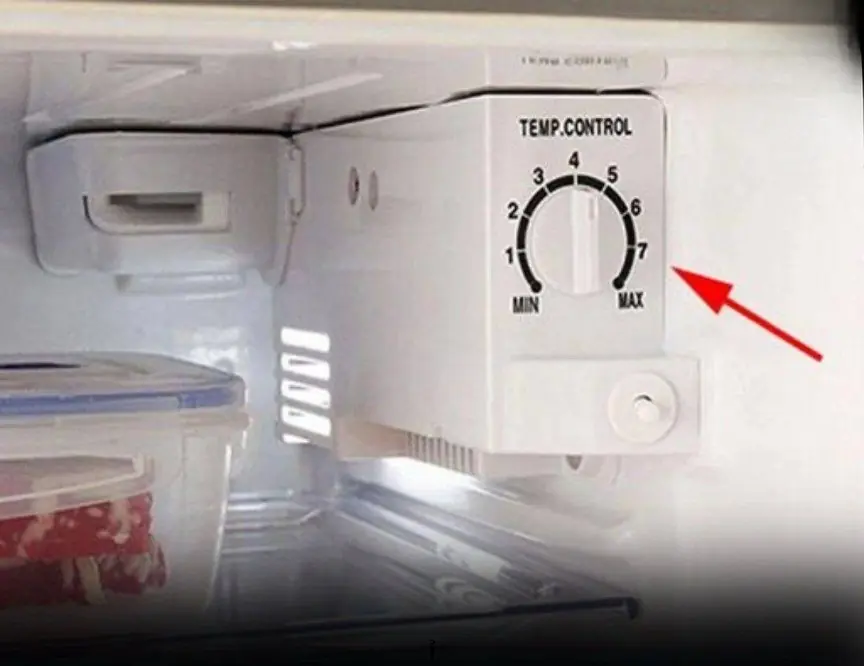
It turns out that we have been wasting electricity for a long time without knowing it
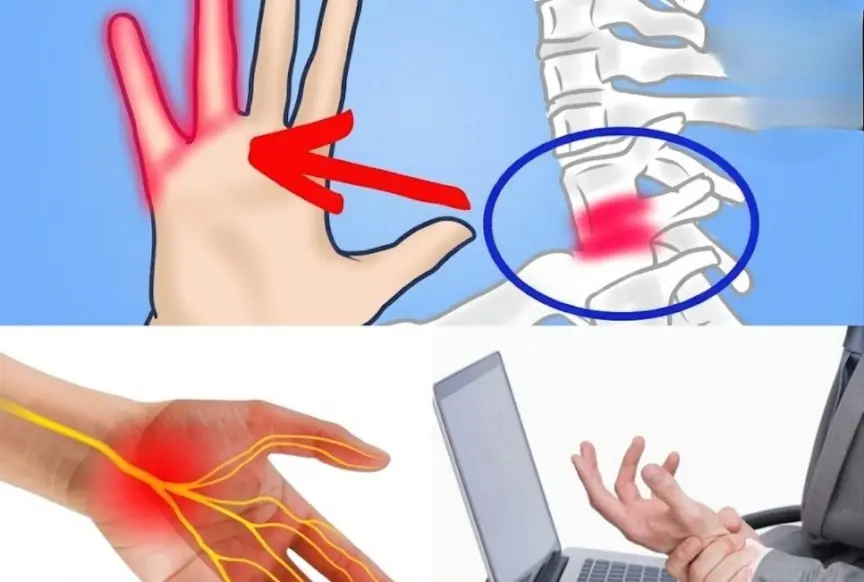
What Causes That Tingling Feeling in Your Hands?

These common substances may help keep snakes away if they enter your house

It’s Not Just Alc.ohol — Here’s the Real Cause

Simple methods to reduce nerve p.ain in your lower body
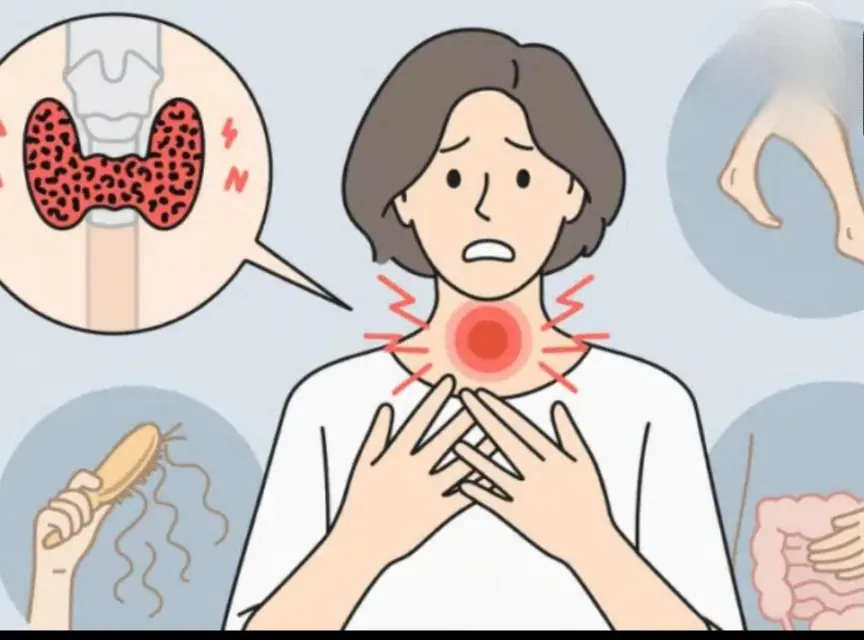
15 common signs of an underactive thyroid you can see

Could these be early signs of lung cancer? 9 symptoms to know

Your body sends signals daily—learn to recognize them early.

Don’t drink this if you have these conditions

Eating winged beans: what doctors say about their effects on your health