It’s naturally delicious, creamy, and incredibly versatile, making it easy to include in everyday meals.
For years, many people feared calories and avoided fats at all costs, which caused avocados to get an undeserved bad reputation. Fortunately, nutrition science has evolved. We now know that the fats found in avocados are not only safe but beneficial, and that obsessively counting calories isn’t always the most effective approach to health. The verdict is clear: avocados deserve a regular place on your plate. Here’s why.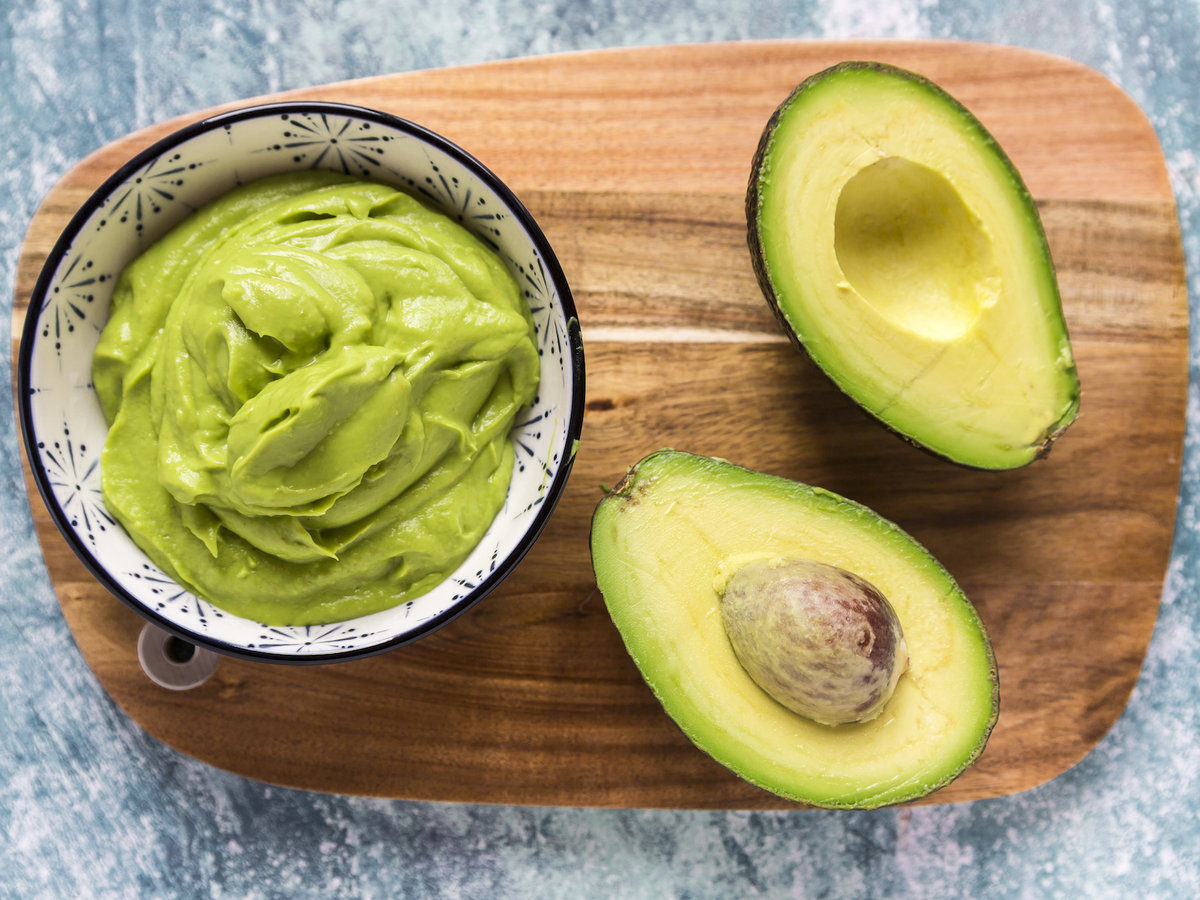
Avocados Are Packed With Carotenoids
Carotenoids are powerful plant pigments that act as antioxidants, helping protect cells from damage caused by free radicals. Some carotenoids are also converted into vitamin A, which is essential for eye health, immune function, and skin integrity.
Because carotenoids are fat-soluble, they are best absorbed when consumed with healthy fats. Avocados provide the perfect environment for this absorption. When you add avocado to salads or meals containing other colorful fruits and vegetables, your body can utilize these antioxidants more effectively, maximizing their health benefits.
They Help You Feel Full and Support Weight Loss
Despite being relatively calorie-dense—half a medium avocado contains about 138 calories—avocados can actually support weight management. Their combination of healthy fats and fiber promotes satiety, helping you feel full for longer periods and reducing overall calorie intake.
Avocados are rich in oleic acid, a monounsaturated fat that signals the brain to reduce hunger. Research also suggests that diets rich in unsaturated fats may be more effective for long-term weight control than low-fat approaches. When eaten mindfully, avocados can help curb cravings and support healthy fat loss, particularly around the midsection.
Excellent for Heart Health
Avocados are well known for their cardiovascular benefits. They increase levels of high-density lipoprotein (HDL), often referred to as “good cholesterol.” Higher HDL levels are associated with a reduced risk of heart disease and stroke, as HDL helps transport cholesterol away from arteries.
If heart disease runs in your family, incorporating avocados into your diet may be a simple yet powerful preventive measure.
They Lower “Bad” Cholesterol
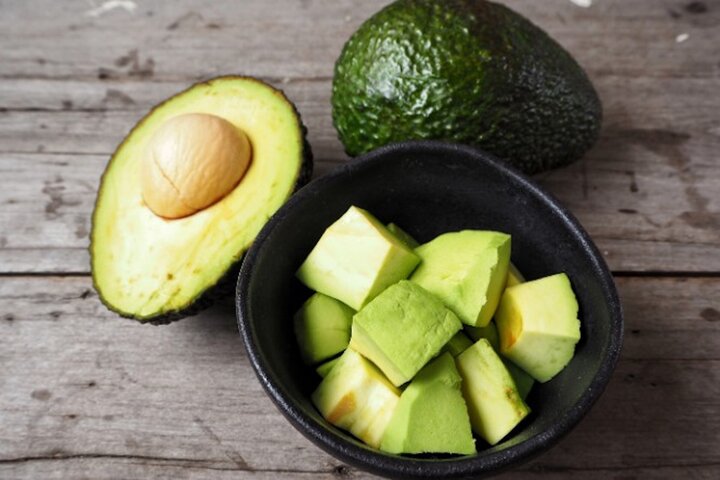
In addition to raising HDL cholesterol, avocados help reduce low-density lipoprotein (LDL), the type of cholesterol linked to plaque buildup and cardiovascular disease. Oleic acid plays a major role in lowering total cholesterol levels and improving the overall cholesterol profile.
For individuals struggling with high cholesterol, adding avocado to meals may be a natural and effective dietary strategy.
Rich in Folate and Protective During Pregnancy
Avocados are an excellent source of folate, a B vitamin that plays a crucial role in cell growth and DNA synthesis. One cup of avocado provides about 25% of the recommended daily intake.
Folate is especially important during pregnancy, as it helps prevent neural tube defects in developing babies. Beyond pregnancy, adequate folate intake supports cellular health and may reduce the risk of certain cancers, making it beneficial for everyone.
Naturally Low in Pesticides
If you’re concerned about chemical exposure in your food, avocados are a reassuring choice. Their thick, protective skin makes them resistant to pesticide penetration, and they tend to attract fewer pests overall. As a result, fewer pesticides are used during cultivation.
In fact, avocados consistently rank among fruits and vegetables with the lowest pesticide residues—proof that sometimes having “thick skin” is a very good thing.
Potential Anti-Cancer Properties
Avocados contain a wide range of phytonutrients that enhance the body’s antioxidant defenses. These compounds help neutralize free radicals that can damage cells and potentially lead to cancer.
Research suggests that avocados may inhibit the growth of certain cancers, including oral and prostate cancers. While no single food is a cure, avocados can be a valuable part of a cancer-protective diet.
Loaded With Essential Vitamins and Minerals
Avocados are nutritional powerhouses. They contain more potassium than bananas, which helps regulate blood pressure and support muscle and nerve function. They’re also rich in vitamins K, B5, and B6, as well as vitamin C—an antioxidant essential for immune health and tissue repair.
High in Dietary Fiber
Fiber is essential for digestive health, and avocados deliver nearly half of the recommended daily fiber intake in a single fruit. Adequate fiber supports regular bowel movements, stabilizes blood sugar levels, and helps reduce cholesterol.
Including avocado in your diet can promote gut health and contribute to long-term metabolic balance.
Support Brain Health and Cognitive Function
One of the most exciting benefits of avocados is their positive effect on brain health. Research suggests that avocados, much like blueberries, promote healthy blood flow and help regulate blood pressure—both critical for optimal brain function.
Since high blood pressure is linked to cognitive decline and dementia, maintaining healthy levels may help preserve memory and mental sharpness well into old age.
Powerful Anti-Inflammatory Effects
Chronic inflammation is at the root of many diseases, including arthritis and heart disease. Avocados help combat inflammation thanks to their phytosterols, carotenoids, and other bioactive compounds.
These nutrients work together to regulate the body’s inflammatory response, potentially easing joint pain and protecting against inflammatory conditions.
The Surprising Health Benefits of Avocado Seeds
While most people enjoy the flesh of the avocado and discard the pit, the seed itself contains an impressive range of health-promoting compounds. Emerging research suggests that avocado seeds may even play a role in combating certain cancers.
Avocado Seeds and Acute Myeloid Leukemia (AML)
Acute myeloid leukemia (AML) is an aggressive cancer affecting the bone marrow and blood. In AML, immature myeloid cells accumulate rapidly, crowding out healthy blood cells and impairing normal function. If left untreated, AML can spread quickly throughout the body.
Risk factors include older age, smoking, chemical exposure, radiation, and a prior history of cancer. Symptoms often include fatigue, frequent infections, bleeding disorders, bone pain, and shortness of breath.
Breakthrough Research on Avocado Pit Compounds
A groundbreaking study published in Cancer Research in 2015 identified a compound in avocado pits called avocatin B. Researchers from Canada and Italy found that avocatin B selectively killed AML cancer cells while leaving healthy blood cells largely unaffected—something conventional chemotherapy struggles to achieve.
In laboratory and animal studies, avocatin B prevented leukemia cells from growing in bone marrow without causing significant harm to normal cells. This discovery opened the door to the development of a potential new cancer treatment with fewer side effects.
What This Could Mean for the Future
Although more research and clinical trials are needed, this discovery highlights the untapped potential of natural compounds found in everyday foods. Dr. Paul Spagnuolo, who led the research, has applied for a patent to develop avocatin B into a targeted AML therapy.
Additional Health Benefits of Avocado Seeds
Beyond their potential anti-cancer effects, avocado seeds offer several other health advantages:
-
High antioxidant content: Studies show avocado seeds may contain up to 70% of the fruit’s total antioxidants, helping lower cholesterol, blood pressure, and oxidative stress.
-
Anti-inflammatory properties: Phenolic compounds in the seed may reduce inflammation and support joint health.
-
Rich in fiber: The seed is high in soluble fiber, supporting digestion, heart health, and cholesterol control.
-
High potassium levels: Avocado seeds contain even more potassium when the fruit is less ripe, supporting electrolyte balance and cardiovascular health.
-
Support fat loss: The combination of fiber and healthy fats promotes fullness, helping reduce cravings and support sustainable weight loss.
How to Use Avocado Seeds Safely
Avocado pits are hard, but they can be consumed when prepared properly. After carefully splitting and chopping the seed, it can be blended into smoothies using a high-powered blender. Its flavor is mild and easily masked by fruits or vegetables.
Other methods include drying the seed and grinding it into powder, grating it into sauces, or using commercially available avocado seed powder.
Avocados—from their creamy flesh to their often-overlooked seeds—are truly one of nature’s most impressive foods. Adding them to your daily routine is a simple, natural step toward better health, improved nutrition, and long-term wellness.