Do “Old Foods in the Fridge” Really Cause Stomach Cancer? Here’s the Truth
Headlines often claim that certain leftover foods sitting in the refrigerator are the “father” of stomach cancer.
That phrase is dramatic — but medically inaccurate.
Stomach (gastric) cancer develops due to complex, long-term biological processes, not because of one single forgotten container in the fridge.
However, food safety does matter. Certain storage mistakes can increase exposure to harmful compounds over time.
Let’s separate fact from exaggeration.
First: What Actually Causes Stomach Cancer?
The strongest established risk factors include:
-
Helicobacter pylori (H. pylori) infection
-
Chronic gastritis
-
High intake of smoked and heavily salted foods
-
Tobacco use
-
Family history
-
Long-term inflammation of the stomach lining
Cancer develops when cells accumulate genetic mutations over years — not days.
That said, some food-related factors may contribute to risk if habits are repeated chronically.
5 Types of Foods That Should Not Sit in the Fridge Too Long
These foods do not directly “cause cancer,” but improper storage can increase harmful bacterial growth or chemical changes.
1. Cooked Leftovers Stored for Many Days


Cooked food stored beyond 3–4 days can:
-
Grow bacteria such as Listeria
-
Develop mold
-
Produce toxins not destroyed by reheating
Repeated food poisoning or chronic inflammation can irritate the stomach lining.
Safe practice:
Store cooked food in airtight containers and consume within 72 hours.
2. Pickled and Heavily Salted Foods

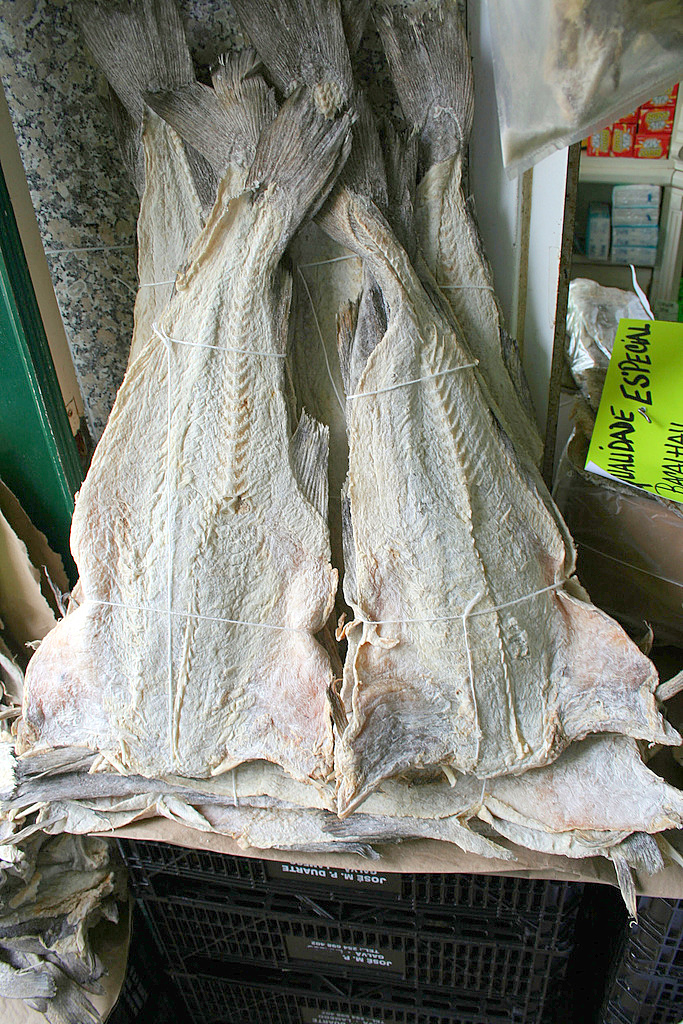

High-salt preserved foods can damage the stomach lining when consumed frequently.
Chronic irritation may:
-
Increase susceptibility to H. pylori
-
Promote inflammatory changes
This is especially relevant in populations with traditionally high-salt diets.
3. Processed and Smoked Meats
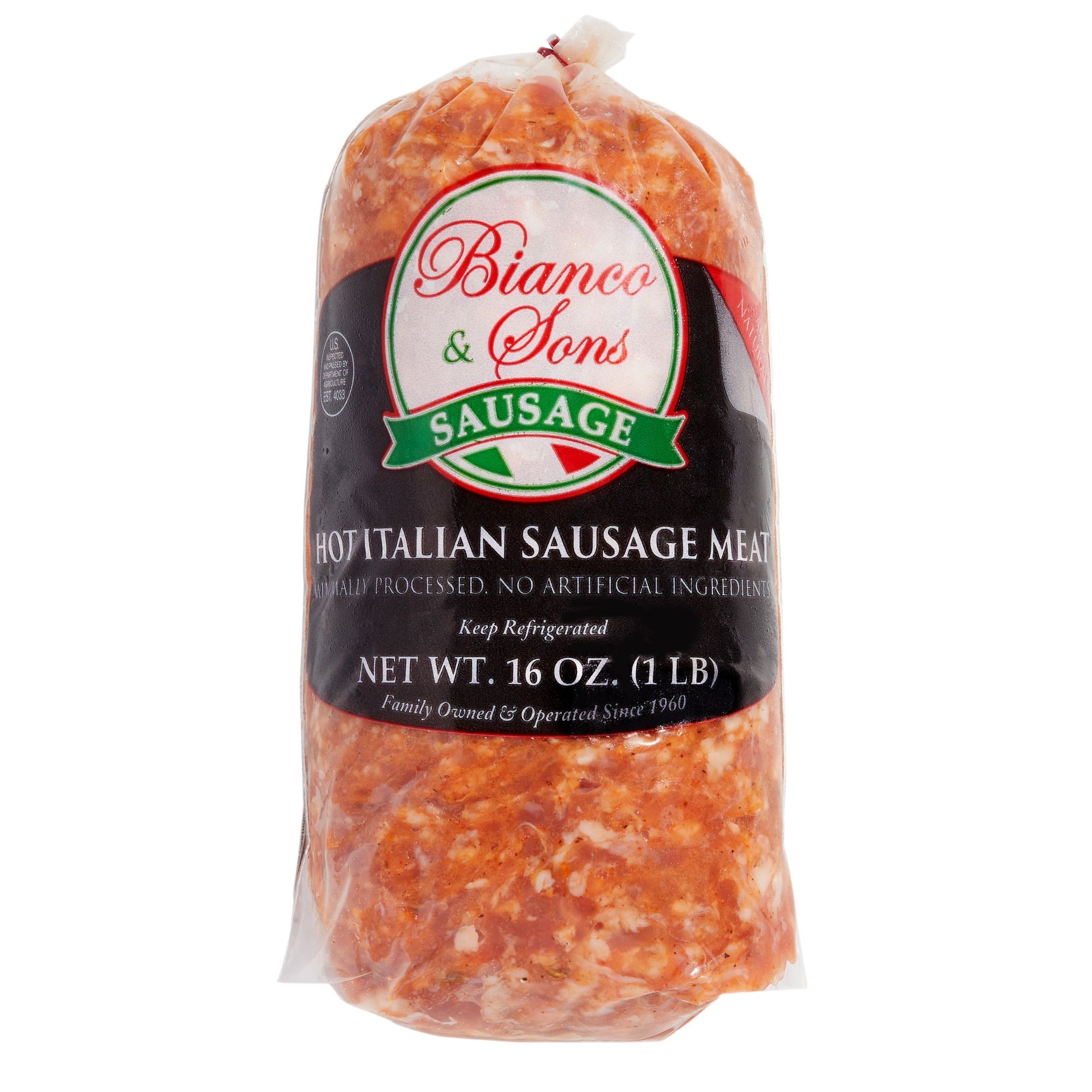

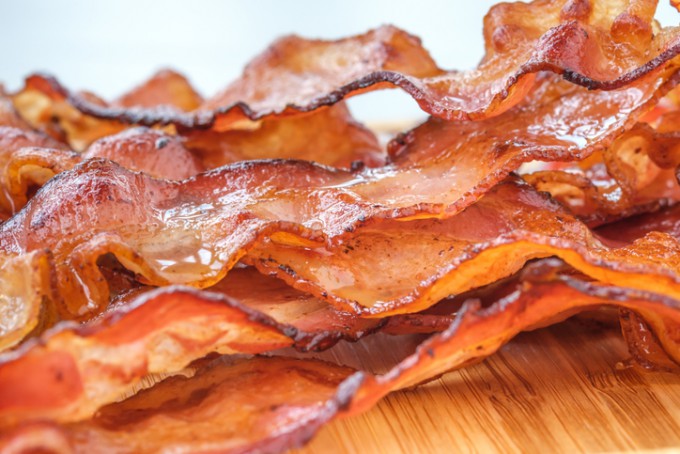
Processed meats often contain:
-
Nitrates and nitrites
-
Preservatives
-
High sodium levels
Under certain conditions, nitrates can convert into nitrosamines, compounds associated with increased cancer risk in research studies.
Occasional consumption is unlikely to be harmful, but daily intake raises long-term risk.
4. Moldy Grains or Nuts


Some molds produce aflatoxins, toxic compounds linked to cancer risk (primarily liver cancer, but harmful overall).
Food that shows visible mold should be discarded completely — not trimmed and reused.
5. Reheated Cooking Oils

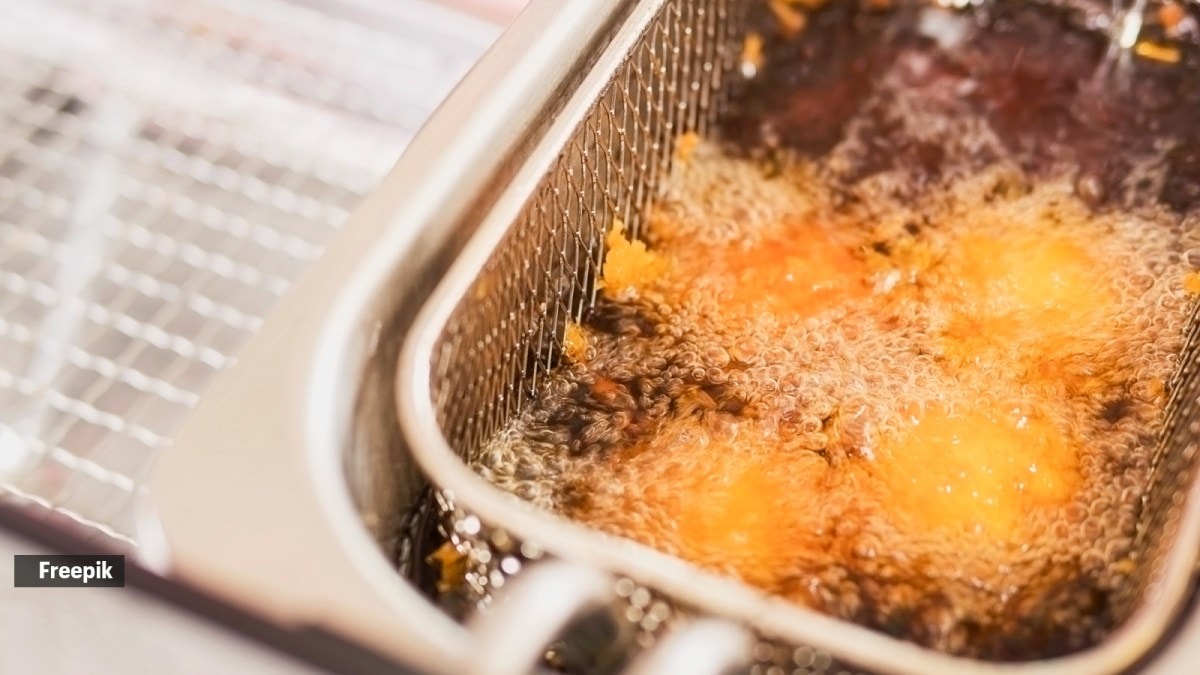

Repeatedly reheated oil may form:
-
Oxidized lipids
-
Potentially harmful free radicals
These compounds can promote oxidative stress and inflammation.
Avoid reusing oil multiple times for frying.
Important Clarification
There is no single food that directly causes stomach cancer overnight.
Cancer risk increases due to:
-
Long-term dietary patterns
-
Chronic infection
-
Persistent inflammation
-
Smoking and alcohol use
Headlines that label one food as the “father of cancer” oversimplify complex biology.
How to Protect Stomach Health
Evidence-based strategies include:
-
Treating H. pylori infection if diagnosed
-
Limiting high-salt and heavily processed foods
-
Eating fresh fruits and vegetables
-
Avoiding tobacco
-
Practicing safe food storage
Refrigeration slows bacterial growth — but it does not stop it entirely.
When to See a Doctor
Seek evaluation if experiencing:
-
Persistent upper abdominal pain
-
Unexplained weight loss
-
Difficulty swallowing
-
Vomiting blood
-
Black stools
Early diagnosis significantly improves survival rates.
Bottom Line
Leaving food in the refrigerator too long can increase exposure to bacteria or harmful compounds — but it is not the sole cause of stomach cancer.
Cancer develops over years due to multiple interacting factors.
The key is not fear.
It is consistent food safety, balanced nutrition, and medical awareness.