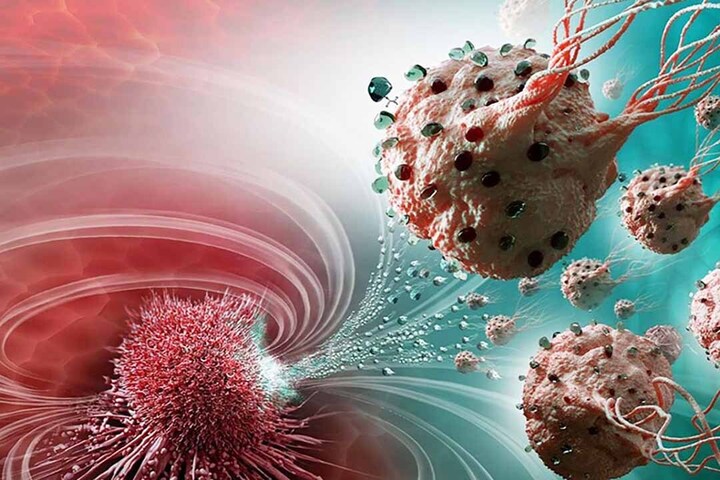
Cancer rarely develops in a single moment. In many cases, it emerges gradually, influenced by years of repeated behaviors that place subtle but continuous stress on the body. What makes this especially concerning is that many of these behaviors are not hidden. They are familiar, normalized, and widely recognized as unhealthy — yet they remain deeply embedded in modern life.
Medical experts often describe cancer risk as cumulative. It is not usually one isolated event, but rather a pattern of cellular stress over time. Repeated inflammation, hormonal imbalance, immune suppression, and DNA damage can gradually create an environment where abnormal cells are more likely to grow and less likely to be detected and eliminated.
In this sense, certain habits do not directly “cause” cancer in a simple, immediate way. Instead, they create conditions that make the body more vulnerable.
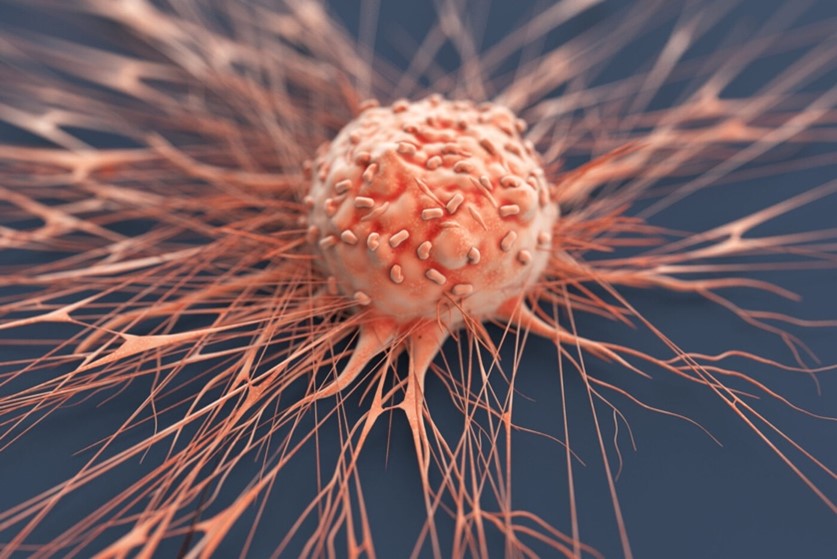
The Myth of Sudden Illness
A common misconception is that cancer is purely a matter of genetics or bad luck. While inherited mutations and random cellular errors do play a role, lifestyle factors contribute to a significant proportion of cases worldwide.
What makes these risks difficult to confront is how ordinary they feel. The behaviors that increase risk often appear harmless in the moment. They provide convenience, comfort, or social connection. The consequences, however, accumulate silently.
Cancer risk does not usually look dramatic while it is forming. It builds quietly.
Habit 1: Chronic Sleep Deprivation
Sleep is not passive downtime. It is an active repair process. During deep sleep, the body regulates hormones, restores immune function, and repairs cellular damage, including DNA errors.
When sleep is consistently shortened or fragmented, several biological disruptions can occur:
-
Increased systemic inflammation
-
Altered levels of stress hormones such as cortisol
-
Impaired immune surveillance
-
Reduced DNA repair efficiency
Over time, these disruptions can weaken the body’s ability to identify and eliminate abnormal cells before they multiply.
Despite understanding the importance of sleep, many people sacrifice rest for work, entertainment, or digital distractions. The belief that lost sleep can simply be “caught up” later overlooks the cumulative impact of chronic deprivation.
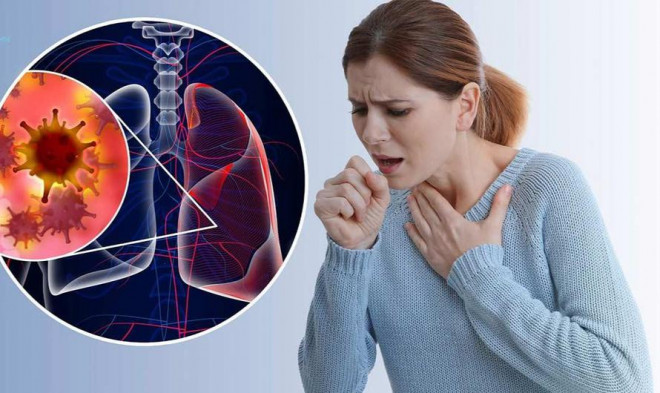
Habit 2: Regular Consumption of Highly Processed Foods
Ultra-processed foods are engineered for flavor, shelf life, and convenience. They often contain refined sugars, unhealthy fats, excess sodium, preservatives, and additives.
Frequent consumption can contribute to:
-
Chronic low-grade inflammation
-
Insulin resistance
-
Weight gain and obesity
-
Disruption of gut microbiota
Obesity itself is a recognized risk factor for multiple cancers, including colorectal, breast (postmenopausal), and pancreatic cancers. Additionally, long-term metabolic imbalance can create hormonal shifts that influence cell growth.
The challenge is not lack of awareness. Most people understand that processed foods are not optimal for health. The difficulty lies in accessibility, affordability, and habit reinforcement.
Habit 3: Smoking and Secondhand Smoke
Tobacco use remains one of the most clearly established cancer risk factors. It introduces carcinogenic compounds that directly damage DNA and impair cellular repair mechanisms.
Smoking is linked to cancers of the lungs, throat, mouth, esophagus, bladder, pancreas, and more.
What is sometimes underestimated is the impact of passive exposure. Secondhand smoke also increases cancer risk, even for individuals who do not smoke themselves.
The normalization of smoking in certain environments or social settings can make avoidance difficult, but the biological effects remain significant.
Habit 4: Excessive Alcohol Consumption
Alcohol is classified as a carcinogen. Regular or heavy consumption has been associated with cancers of the liver, breast, colon, esophagus, and throat.
Alcohol can increase risk by:
-
Damaging DNA
-
Increasing inflammation
-
Altering estrogen levels
-
Interfering with nutrient absorption
Because alcohol is socially integrated into celebrations, relaxation rituals, and daily routines, its long-term impact is often minimized.
Risk increases with both quantity and frequency.
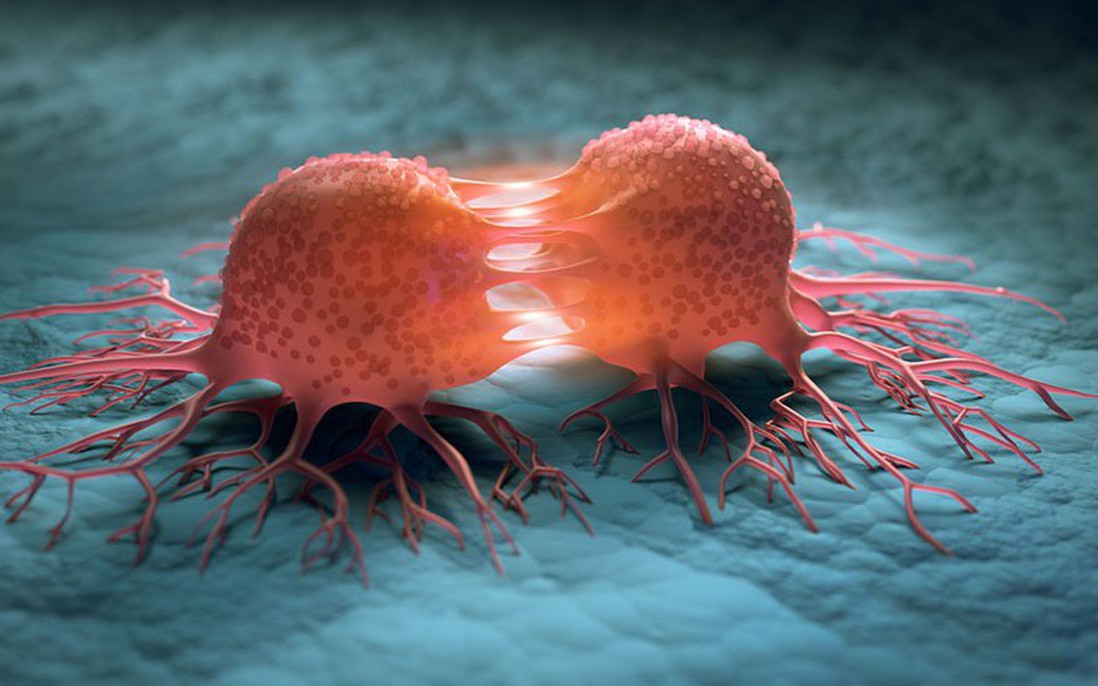
Habit 5: Physical Inactivity and Sedentary Living
The human body evolved for movement. Extended sitting and limited physical activity affect circulation, metabolism, and hormone regulation.
A sedentary lifestyle is associated with:
-
Increased body fat accumulation
-
Insulin resistance
-
Hormonal imbalances
-
Higher risk of colon, breast, and endometrial cancers
Even individuals who exercise occasionally may still experience risk if the majority of the day is spent inactive. Movement supports immune function and metabolic stability in ways that prolonged sitting does not.
Habit 6: Chronic Unmanaged Stress
Stress itself is not inherently harmful. Short-term stress responses are adaptive. The problem arises when stress becomes chronic and recovery is absent.
Persistent stress can:
-
Elevate cortisol levels
-
Suppress immune defenses
-
Increase inflammation
-
Encourage harmful coping behaviors
Burnout culture often treats constant pressure as normal. Over time, however, sustained physiological stress may impair the body’s capacity to maintain cellular balance.
Habit 7: Ignoring Early Warning Signs
Among the most dangerous behaviors is delay.
Symptoms such as persistent fatigue, unexplained weight loss, unusual pain, digestive changes, or abnormal bleeding are sometimes dismissed as minor issues. Fear, inconvenience, or denial may prevent timely medical evaluation.
Early detection significantly improves outcomes for many cancers. Routine screenings and prompt attention to symptoms can interrupt disease progression before it advances.
Avoidance does not eliminate risk. It often increases it.
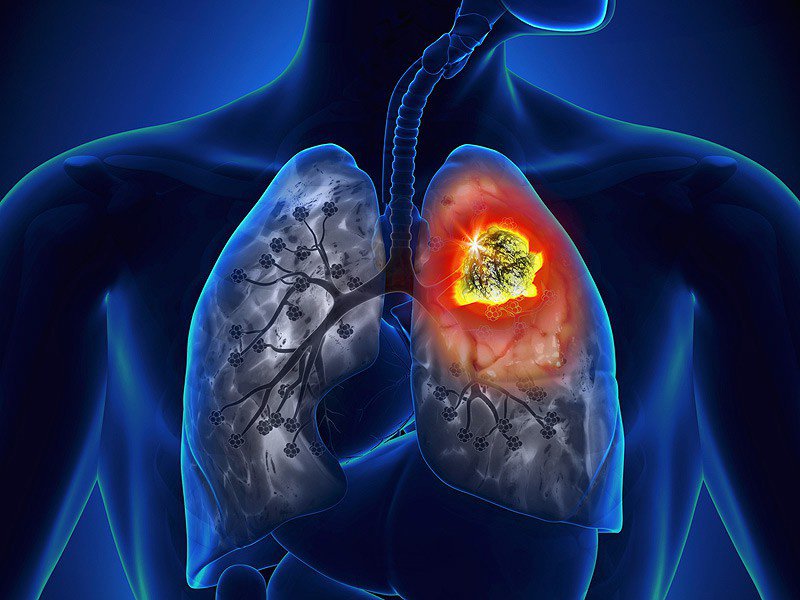
Why Awareness Does Not Always Lead to Change
Information alone rarely transforms behavior. Habits are reinforced by:
-
Immediate comfort
-
Social norms
-
Convenience
-
Emotional coping
-
Optimism bias (“it won’t happen to me”)
Cancer risk feels distant and abstract. The reward of a habit feels immediate and tangible. This psychological imbalance makes long-term prevention challenging.
What Reduces Risk in Meaningful Ways
No lifestyle guarantees complete protection. However, consistent protective behaviors significantly reduce overall risk.
Health professionals commonly emphasize:
-
Prioritizing sufficient, high-quality sleep
-
Choosing whole, minimally processed foods
-
Limiting alcohol intake
-
Avoiding tobacco and secondhand smoke
-
Engaging in regular physical activity
-
Managing stress through restorative practices
-
Participating in recommended health screenings
These actions are not extreme. They are cumulative investments.
A Balanced Perspective
The goal is not fear. It is agency.
Cancer rarely announces itself at the beginning. It develops quietly in environments shaped by repeated choices. When harmful behaviors are reduced, the body’s natural repair systems have a greater opportunity to function effectively.
Human physiology is remarkably resilient. Cells repair damage daily. The immune system monitors for abnormalities constantly. Supporting those systems through consistent care enhances their effectiveness.
Final Thoughts
Cancer does not typically arrive with sudden noise. It often grows gradually, influenced by patterns established over years.
Many of those patterns are familiar. Many are modifiable.
Reducing risk does not require perfection. It requires awareness followed by steady adjustment.
Small changes practiced consistently — improved sleep, better nutrition, movement, stress recovery, timely medical care — can shift the body’s internal environment toward protection rather than vulnerability.
Prevention is rarely dramatic. It is deliberate.
And it begins long before illness appears.