The liver is one of the most vital organs in the human body. It plays a central role in detoxification, metabolism, digestion, hormone regulation, and nutrient storage. Every day, it filters toxins from the bloodstream, processes medications, regulates blood sugar, and helps break down fats.
Because the liver works continuously, it is highly resilient. However, repeated exposure to unhealthy dietary habits can gradually strain its function. Liver damage rarely happens overnight. Instead, it often develops silently over years, influenced by consistent lifestyle choices.
Certain common foods — especially when consumed frequently and in excess — may increase the risk of fatty liver disease, inflammation, or long-term liver stress.
Below are five everyday foods that may negatively affect liver health if not consumed in moderation.
1. Sugary Foods and Sweetened Beverages
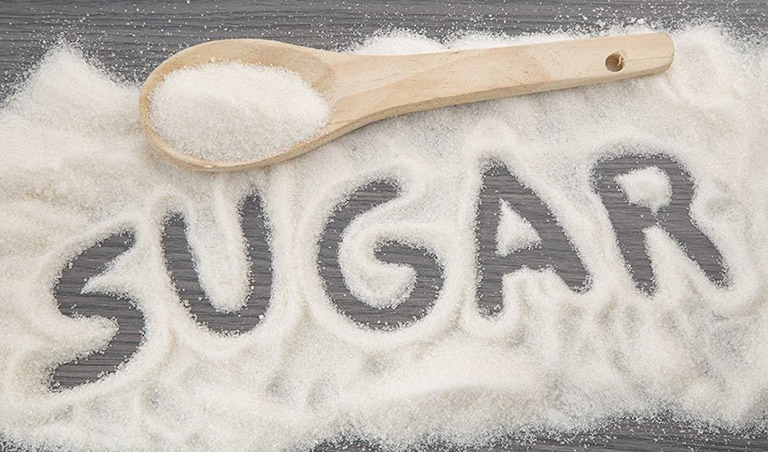
Excess sugar is one of the biggest contributors to non-alcoholic fatty liver disease (NAFLD). When you consume high amounts of sugar — especially fructose — the liver converts much of it into fat.
Over time, this can lead to:
-
Fat accumulation in liver cells
-
Increased inflammation
-
Insulin resistance
-
Elevated triglyceride levels
Common sources include:
-
Soda and soft drinks
-
Packaged fruit juices
-
Candy and desserts
-
Sweetened coffee beverages
-
Processed breakfast cereals
Liquid sugar is particularly harmful because it is absorbed quickly and does not trigger the same fullness signals as solid food.
Reducing added sugar intake is one of the most effective ways to protect liver function.

2. Fried and Deep-Fried Foods
Fried foods are often high in unhealthy trans fats and saturated fats. These fats can contribute to weight gain and increased fat storage in the liver.
Frequent consumption may:
-
Promote fatty liver development
-
Increase oxidative stress
-
Elevate cholesterol levels
-
Trigger inflammation
Examples include:
-
French fries
-
Fried chicken
-
Fast-food items
-
Processed fried snacks
While occasional indulgence is unlikely to cause harm, regularly consuming fried foods may place additional stress on liver metabolism.
3. Processed Meats
Processed meats often contain preservatives such as nitrates and nitrites, as well as high levels of sodium and saturated fats.
Examples include:
-
Sausages
-
Bacon
-
Hot dogs
-
Deli meats
High sodium intake can contribute to fluid imbalance and increased blood pressure. Meanwhile, saturated fats may increase fat accumulation in the liver.
Additionally, some processed meats contain compounds formed during preservation and cooking that may increase inflammation and oxidative stress.
Replacing processed meats with lean protein sources — such as poultry, fish, legumes, or plant-based proteins — can reduce liver burden.
4. Excess Alcohol
Although alcohol is widely recognized as a liver toxin, many people underestimate its cumulative effects.
The liver metabolizes alcohol, but excessive intake can overwhelm its ability to process it safely. Over time, alcohol consumption can lead to:
-
Fatty liver
-
Alcoholic hepatitis
-
Fibrosis
-
Cirrhosis
Even moderate drinking, if frequent, may contribute to long-term liver stress.
For individuals with pre-existing liver conditions or metabolic syndrome, limiting or avoiding alcohol is especially important.
5. Highly Refined Carbohydrates
White bread, white rice, pastries, and other refined carbohydrates can spike blood sugar quickly. Frequent blood sugar spikes increase insulin production, which may encourage fat storage in the liver.
Over time, this pattern can contribute to:
-
Insulin resistance
-
Weight gain
-
Fat accumulation in liver tissue
Unlike whole grains, refined carbohydrates lack fiber, which helps regulate glucose absorption.
Choosing whole grains such as brown rice, oats, quinoa, and whole wheat bread can support healthier metabolism.

How These Foods Impact the Liver Over Time
The liver’s primary functions include processing nutrients and filtering harmful substances. When exposed repeatedly to excess sugar, unhealthy fats, alcohol, and processed foods, it must work harder.
Chronic dietary strain may lead to:
-
Fat buildup
-
Inflammation
-
Impaired detoxification
-
Reduced metabolic efficiency
Non-alcoholic fatty liver disease has become increasingly common worldwide, often linked to diet and sedentary lifestyle.
The good news is that early-stage liver changes are often reversible with dietary improvements and lifestyle adjustments.
Supporting Liver Health
Protecting the liver does not require extreme dieting. Instead, it involves consistent, balanced habits.
Health professionals often recommend:
-
Limiting added sugars
-
Choosing whole, unprocessed foods
-
Reducing fried and highly processed items
-
Moderating alcohol intake
-
Staying physically active
-
Maintaining a healthy weight
-
Drinking adequate water
Foods that may support liver health include:
-
Leafy greens
-
Berries
-
Fatty fish rich in omega-3s
-
Nuts and seeds
-
Olive oil
-
Coffee (in moderation)
Final Thoughts
The liver is remarkably resilient, but it is not indestructible. Everyday dietary choices accumulate over time.
Sugary beverages, fried foods, processed meats, refined carbohydrates, and excessive alcohol are common in modern diets. When consumed frequently and in large amounts, they may contribute to liver stress and long-term complications.
The goal is not perfection, but awareness and balance.
Small, consistent adjustments in daily eating patterns can significantly reduce liver strain and promote long-term health.
Caring for your liver today helps protect your overall well-being tomorrow.