
But what happens when symptoms shift from being familiar and manageable to something more concerning?
Sometimes, what may seem like a minor change—such as unexpected fatigue or a slight drop in weight—can actually be an early warning sign of a more serious development in your condition. Paying attention to subtle changes can make a significant difference in managing arthritis before it leads to long-term joint damage or disability.
Here are 7 key symptoms of arthritis that you should never ignore—and when it's time to seek medical advice.
1. Persistent Joint Pain

Joint pain is one of the most common and earliest indicators of arthritis. It may start as a mild, dull ache that you shrug off as part of aging or overuse. Over time, the pain may become more intense, especially during or after physical activity, or when you’ve been inactive for a while—like in the early mornings or late at night.
In cases of rheumatoid arthritis (RA), the pain may begin subtly but can escalate quickly, often described as intense, almost like the sensation of a bone fracture or deep bruising.
When to see a doctor: If joint pain lasts longer than a few weeks, occurs regularly, or increases in severity without a clear reason, it's important to consult a healthcare provider. Delaying care may lead to permanent joint damage.
2. Joint Swelling and Tenderness

Swollen joints are a hallmark of inflammatory arthritis, including RA and psoriatic arthritis. You may notice:
-
Puffiness or enlargement around the joint
-
A warm sensation to the touch
-
Redness or a visible change in skin tone
-
Sensitivity or pain when pressing on the area
Inflammation is your body's immune system reacting—often inappropriately in autoimmune forms of arthritis—and can damage joints if not addressed.
When to see a doctor: Persistent swelling in one or more joints, especially when paired with pain or loss of function, requires medical evaluation. Swelling that doesn’t go down with rest or over-the-counter anti-inflammatories is especially concerning.
3. Morning Stiffness That Lasts Over 30 Minutes
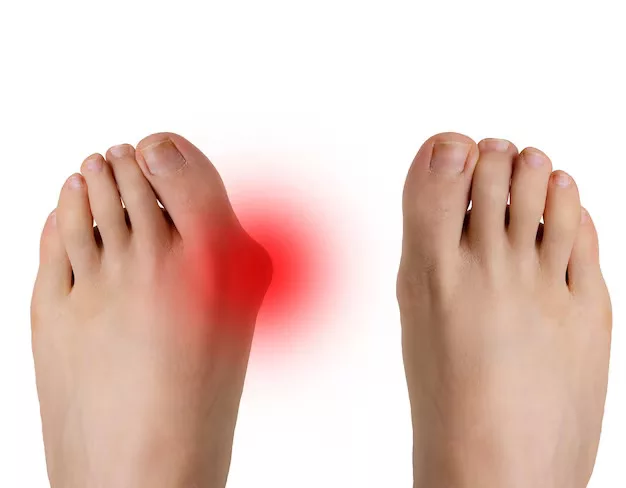
A common sign of arthritis—especially inflammatory types—is stiffness that doesn't resolve quickly after waking. You might feel like your joints are "locked" or hard to move.
-
With osteoarthritis, morning stiffness usually improves within 30 minutes.
-
With rheumatoid arthritis, stiffness can last for an hour or more, sometimes all morning.
This symptom can also appear after periods of rest or inactivity, such as sitting for a long time.
Tip: Stiffness that eases with movement rather than rest often signals inflammatory arthritis, and may warrant further testing or imaging.
4. Grinding, Cracking, or Popping Sounds (Crepitus)
Do your knees or shoulders make odd noises when you move? These sounds—grinding, clicking, or popping—can result from the breakdown of cartilage, the protective cushion between bones.
This is most common in osteoarthritis, where cartilage wears away and bones begin to rub together. While crepitus isn’t always painful, it can be an early sign that your joints are changing.
When to see a doctor: If these sounds are accompanied by pain, swelling, or reduced function, it's best to have your joint evaluated by a specialist.
5. Limited Range of Motion
When a joint no longer moves as freely or as far as it once did, it’s a sign that something may be wrong. You may find it difficult to:
-
Fully straighten your knees or elbows
-
Rotate your shoulder or neck
-
Bend your fingers or wrists
Loss of motion can result from joint damage, chronic inflammation, muscle tightening, or even joint deformity if left untreated.
When to act: Don’t ignore stiffness or limitations that affect your ability to perform daily tasks. The earlier you address it, the more likely you can preserve function.
6. Referred (Deferred) Pain
Arthritis pain doesn’t always appear where you expect. Sometimes, it’s felt in areas distant from the affected joint, which can confuse diagnosis.
Examples include:
-
Hip arthritis causing groin, thigh, or even knee pain
-
Spine arthritis causing pain to radiate to the buttocks, legs, or shoulders
-
Foot or ankle arthritis creating discomfort that travels up to the lower back or hips
This phenomenon is called referred pain, and it can lead to delays in proper treatment if the source isn't identified.
Why it matters: Always mention any unusual or spreading pain to your doctor. Even if it seems unrelated to a known joint issue, it could be part of the arthritis process.
7. Unexplained Fatigue
Chronic, unexplained fatigue is more than just feeling sleepy. It’s a deep, ongoing exhaustion that doesn’t improve with rest. This type of fatigue is particularly common in autoimmune forms of arthritis, such as RA and lupus.
Potential causes include:
-
Systemic inflammation from overactive immune responses
-
Interrupted or poor-quality sleep due to pain
-
Reduced activity levels leading to overall deconditioning
-
Mental and emotional stress caused by chronic illness
What to watch for: If you’re feeling worn out day after day, even after sleeping well, and it’s affecting your work, focus, or relationships, it’s time to dig deeper.
What to Do If You Suspect Arthritis
Early detection and proactive care are essential. The earlier you catch arthritis, the more options you have for slowing its progression and managing symptoms effectively.
Treatment options may include:
-
Medications such as NSAIDs, DMARDs, corticosteroids, or biologic therapies
-
Physical therapy to preserve strength and mobility
-
Topical treatments like FlexiSEQ, a drug-free gel that helps reduce stiffness and lubricate joints
-
Lifestyle adjustments such as anti-inflammatory diets, weight management, and regular low-impact exercise
-
Complementary therapies like acupuncture, massage, and mindfulness-based stress reduction
Remember, arthritis is a chronic and progressive condition, but it doesn't have to dictate your life. Paying close attention to early warning signs—and acting swiftly—can significantly improve your quality of life and help you stay active, mobile, and independent for years to come.
Bottom line: Don’t ignore the signs. If you experience any of these symptoms—especially in combination—book a visit with your doctor or a rheumatologist. The earlier arthritis is diagnosed, the better your chances of keeping it under control.