
How Skipping Breakfast May Impact Your Body Over Time
6 Ways Skipping Breakfast Can Affect Your Body
Health 23/02/2026 14:59
Sweet potatoes are a healthy way to satisfy carbohydrate cravings. They contain essential nutrients, including vitamin C, calcium, beta-carotene, and a high level of slow-releasing carbohydrates. For those looking to lose weight, sweet potatoes can be an important food to help achieve your goals. However, whether it's good to eat sweet potatoes on an empty stomach is a question many people wonder about. Read on to learn more about this.
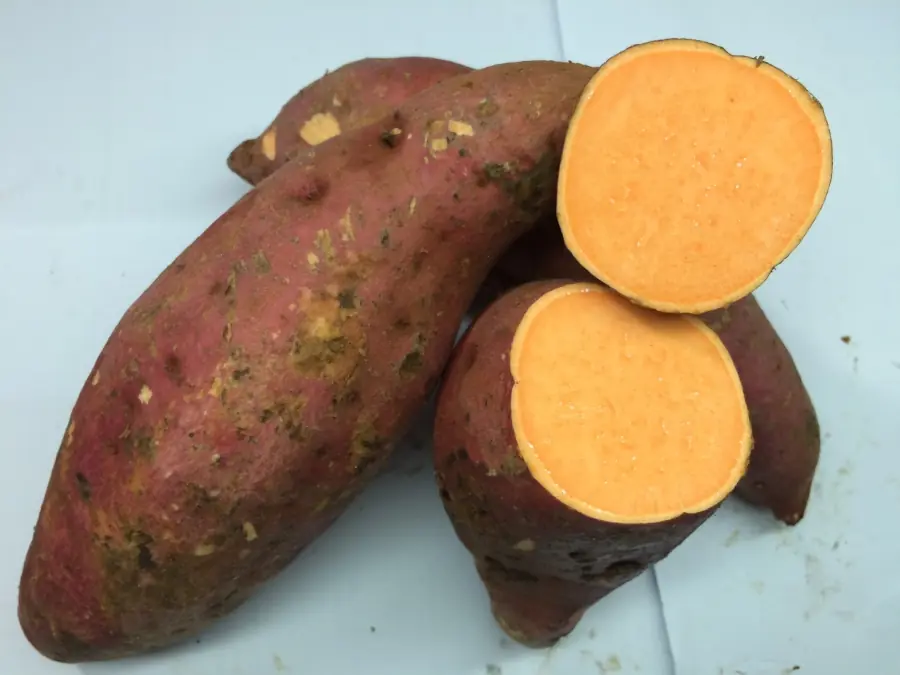
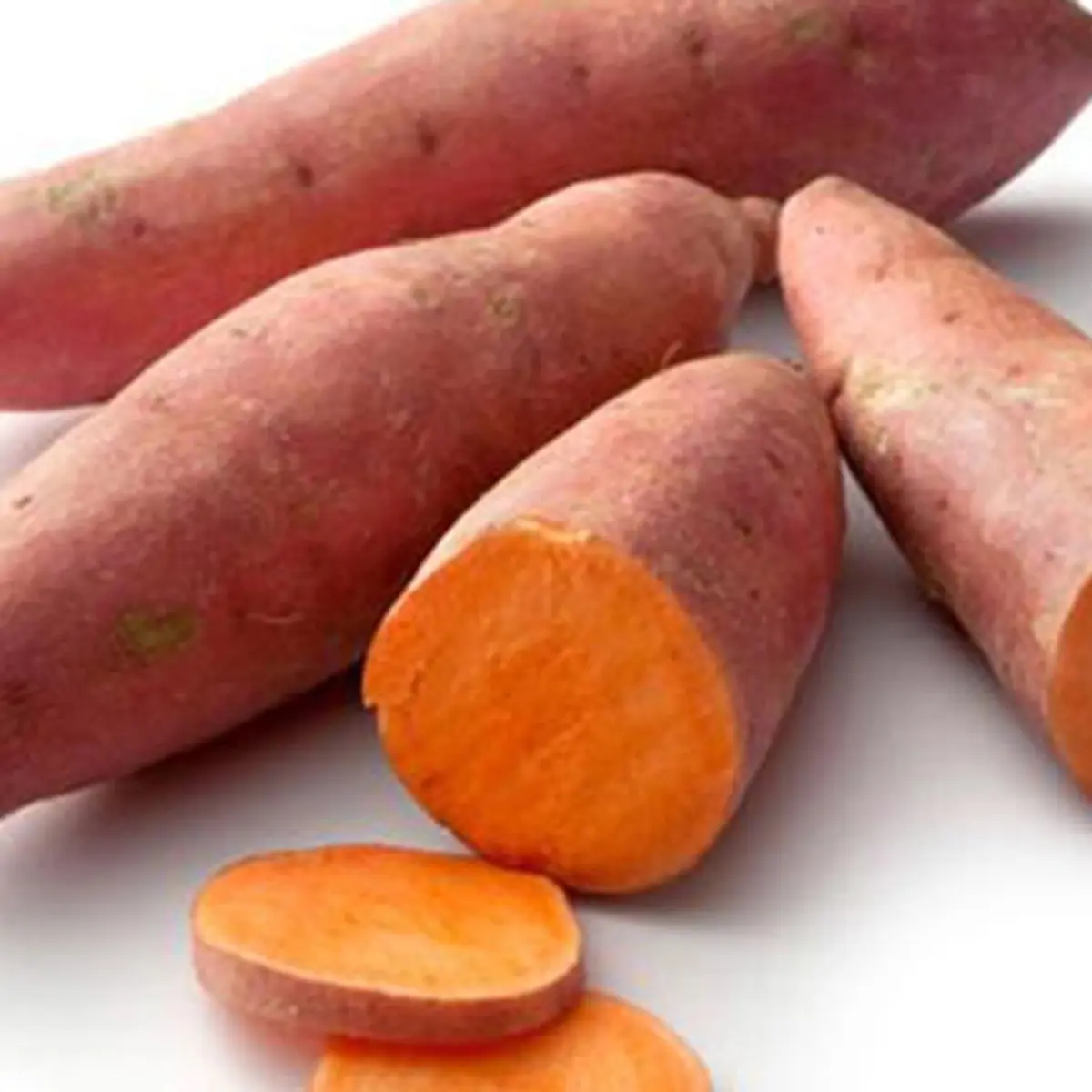
Sweet potatoes are often recognized by their copper-colored skin and vibrant orange flesh, although there are hundreds of varieties grown worldwide that come in colors like white, cream, yellow, red, and deep purple. Although they are commonly found on holiday tables covered in marshmallows or mixed with sweeteners, that is not necessary! True to their name, sweet potatoes have a naturally sweet flavor, enhanced through cooking methods like roasting. They are also one of the top sources of beta-carotene, a precursor to vitamin A.
Unlike regular potatoes (which belong to the nightshade family), “sweet potatoes” are edible tubers in the morning glory family. They differ from yams, which are edible tubers in the lily family and originate from Africa and Asia. The sweet potatoes you find at your local supermarket are likely different types of sweet potatoes. True yams can be distinguished by their black/brown skin that resembles tree bark and flesh that is white or purple.
Sweet potatoes with orange flesh are the richest in beta-carotene, while those with purple flesh are richer in anthocyanins. Beta-carotene and anthocyanins are plant chemicals known as phytonutrients, which naturally give plants their vibrant colors. These phytochemicals are being studied for their potential role in human health and disease prevention.
If you substitute sweet potatoes for white potatoes, you may still want to keep it simple: While sweet potatoes are a rich source of beta-carotene, they have a high glycemic index and glycemic load—comparable to white potatoes. Most people do not eat sweet potatoes in quantities as large as white potatoes, which may be why studies have not found sweet potatoes to be a major contributor to weight gain and diabetes.
Sweet potatoes are rich in vitamin B6, vitamin C, beta-carotene in the form of vitamin A, potassium, and fiber. They also offer many other health benefits, helping to maintain a healthy weight, improve skin health, and prevent serious diseases such as cancer, stroke, and cardiovascular issues. Besides the tuber, sweet potato leaves and shoots are also edible. Boiling sweet potatoes retains more beta-carotene and makes the nutrients easier to absorb compared to other cooking methods like baking or frying. By limiting cooking time, such as boiling them with the lid on for 20 minutes, up to 92% of the nutrients can be retained. Cooking with the skin on also helps minimize the loss of nutrients, including beta-carotene and vitamin C.
However, eating sweet potatoes the wrong way, especially on an empty stomach, can lead to health issues.
Sweet potatoes are not ideal to eat on an empty stomach. This is because they can increase acid production in the stomach. If you have stomach issues, it's best to avoid eating sweet potatoes on an empty stomach to prevent worsening your condition.
Sweet potatoes contain a lot of sugar, and consuming them, especially when you're hungry, can lead to excessive stomach acid secretion, which may cause bloating, gas, and acid reflux. To reduce these symptoms, you should boil the sweet potatoes well or add a small amount of alcohol to the cooking process to break down the enzymes in the potatoes. Drinking ginger tea can also help reduce bloating. Additionally, when you're hungry, your blood sugar levels are low, and eating sweet potatoes may lower your blood pressure, causing fatigue.
It's not recommended to eat sweet potatoes at night, as they may cause acid reflux, especially for those with weak stomachs or poor digestion. This can lead to bloating. Moreover, since metabolism slows down at night, digestion becomes more difficult, which may cause insomnia.
It is better for your body to eat sweet potatoes in the morning, paired with fresh milk or yogurt, some seeds, and leafy greens for a nutritious breakfast that provides abundant energy for the day.
Sweet potatoes are very nutritious and have many health benefits, especially for people with constipation. However, eating the skin of sweet potatoes is not ideal for your digestive system.
Dark spots or blackened areas on the skin of sweet potatoes can affect their flavor and may be harmful to your health, potentially causing food poisoning.
To avoid health issues, you should pay attention to a few points when eating sweet potatoes:
For more useful health care information, visit Vinmec.com (www.vinmec.com) regularly, and leave your information if you need a doctor's consultation!
6 Ways Skipping Breakfast Can Affect Your Body

Why You Keep Waking Up at Night to Urinate

7 Overlooked Stroke Warning Signs in Women

Medical advice: When sleep matters more than a rushed early workout

When his entire body became unbearably itchy, he assumed it was an allergic reaction. The truth was much more alarming
Heart blockage symptoms can sometimes show up in your feet and legs at night, but few people know to look for them

7 reasons you're dizzy after standing up, from dehydration to POTS, and when to call your doctor

The Purple Leaf Plant: Natural Support for Headaches and Overall Wellness
Early symptoms are easy to ignore — so stomach cancer is often diagnosed late

8 Signs Your Kidneys May Be in Trouble

Ginger is a staple ingredient in many households, valued not only for its warm, spicy flavor but also for its impressive health benefits.

Why Successful People Often Wear Rings on Their Right Hand …and What It Really Means

Ginger and carrot juice is a nutritious drink that provides many health benefits.

A 24-year-old woman in Vietnam was recently hospitalized with severe abdominal pain, nausea, and signs of internal bleeding.
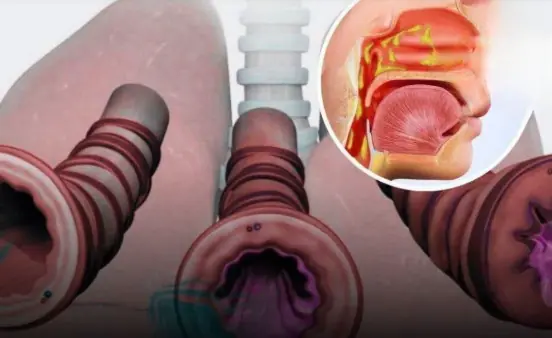
Colds, sneezing, and coughing are never fun.
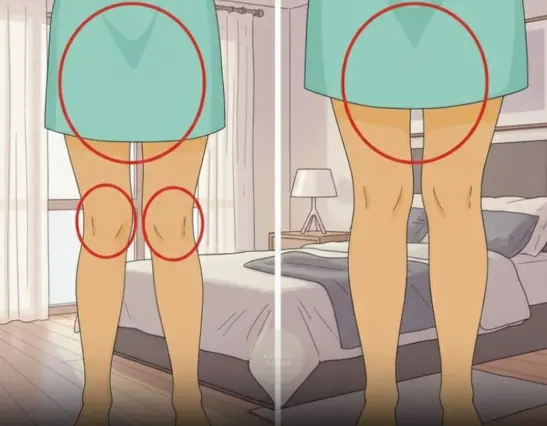
The Truth About the Thigh Gap — And Why You Don’t Need One to Feel Beautiful

Itching caused by kidney weakness is often prolonged, intense, and difficult to control.

Your nose isn’t just a sensory organ; it can also be a window into your overall health.

Okra, also known as “lady’s finger,” is a popular vegetable in many Asian and Western cuisines.
6 Ways Skipping Breakfast Can Affect Your Body
Why You Keep Waking Up at Night to Urinate
7 Overlooked Stroke Warning Signs in Women
Medical advice: When sleep matters more than a rushed early workout
When his entire body became unbearably itchy, he assumed it was an allergic reaction. The truth was much more alarming
Heart blockage symptoms can sometimes show up in your feet and legs at night, but few people know to look for them
7 reasons you're dizzy after standing up, from dehydration to POTS, and when to call your doctor
The Purple Leaf Plant: Natural Support for Headaches and Overall Wellness
Early symptoms are easy to ignore — so stomach cancer is often diagnosed late
8 Signs Your Kidneys May Be in Trouble
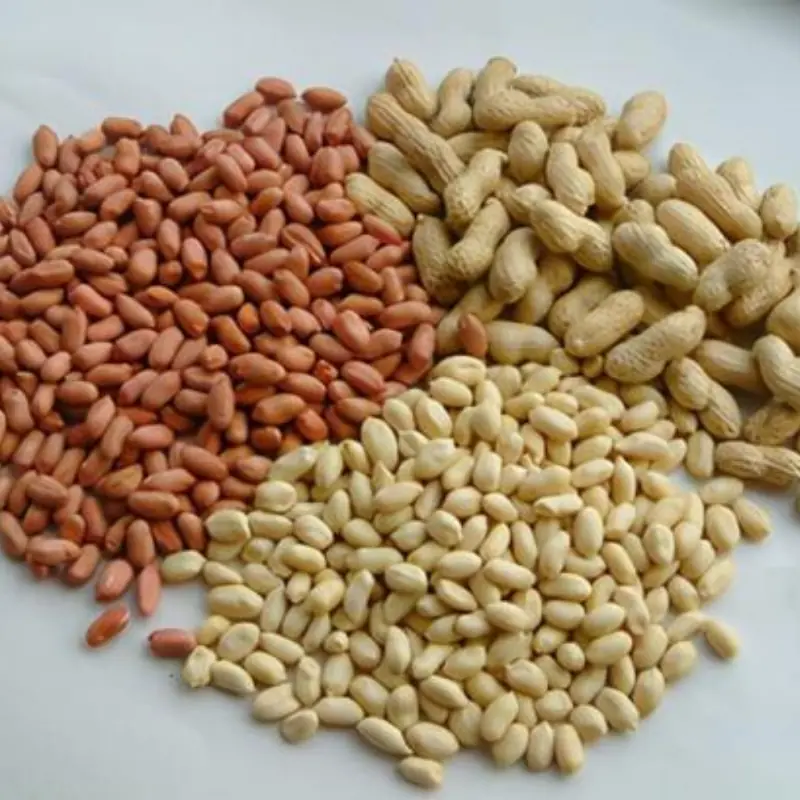
Red vs. White Peanuts: What Really Sets Them Apart
Ginger is a staple ingredient in many households, valued not only for its warm, spicy flavor but also for its impressive health benefits.
Why Successful People Often Wear Rings on Their Right Hand …and What It Really Means
Ginger and carrot juice is a nutritious drink that provides many health benefits.
A 24-year-old woman in Vietnam was recently hospitalized with severe abdominal pain, nausea, and signs of internal bleeding.
Colds, sneezing, and coughing are never fun.
The Truth About the Thigh Gap — And Why You Don’t Need One to Feel Beautiful
Itching caused by kidney weakness is often prolonged, intense, and difficult to control.
Your nose isn’t just a sensory organ; it can also be a window into your overall health.