At first glance, peanuts may seem like a simple snack. But when you stand in front of a market display and notice red-skinned peanuts beside pale white ones, you may wonder: is there really a difference? The answer is yes — and understanding those differences can help you make smarter choices for cooking, nutrition, and taste.
Red peanuts typically refer to peanuts that retain their thin reddish-brown skin. White peanuts, on the other hand, are often blanched, meaning the outer skin has been removed. While both come from the same plant species, their processing, texture, flavor, and even nutritional value can vary.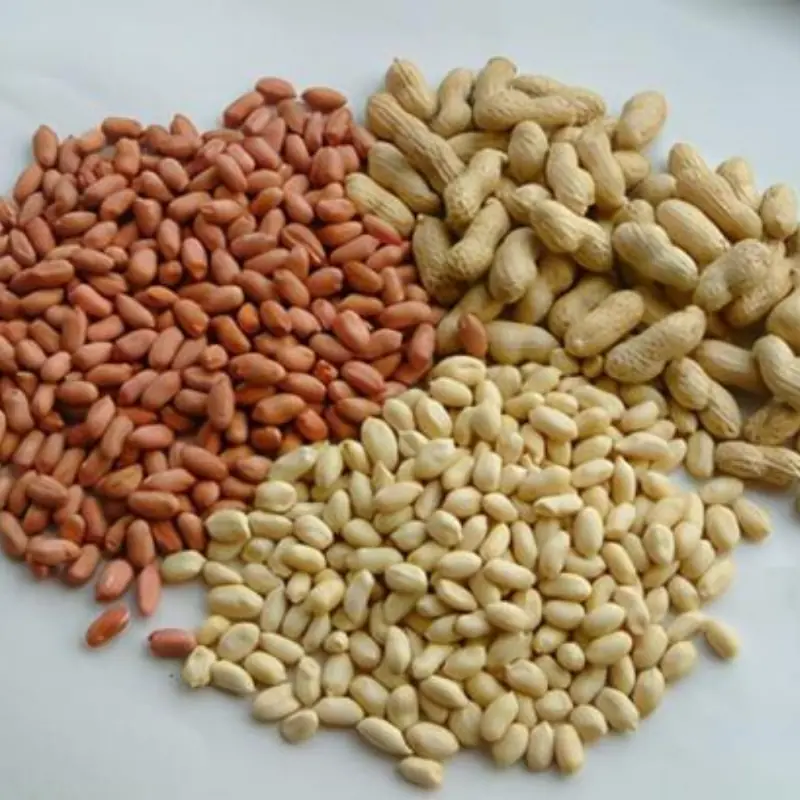
Nutritional Differences
One of the biggest distinctions lies in the skin. The thin red coating on peanuts is rich in antioxidants, particularly polyphenols. These natural compounds help protect the body from oxidative stress and support overall health. When peanuts are blanched to create the white variety, much of this antioxidant content is reduced because the skin is removed.
Red peanuts also tend to contain slightly more fiber due to the presence of the skin. Fiber supports digestion and promotes a feeling of fullness, making red peanuts a good option for those looking to manage appetite.
White peanuts still provide strong nutritional value. They are rich in protein, healthy fats (especially monounsaturated fats), vitamin E, magnesium, and folate. However, without the skin, they may have marginally fewer antioxidant benefits compared to red peanuts.
Flavor and Texture
Taste is another important factor. Red peanuts, especially when roasted with their skins on, often have a slightly deeper, nuttier flavor. The skin can add a subtle bitterness, which enhances complexity when used in savory dishes.
White peanuts generally have a milder, smoother taste. Without the skin, their flavor profile is softer and slightly sweeter. This makes them popular for peanut butter production, baking, and desserts where a smoother texture is preferred.
Texture also differs. Red peanuts may feel slightly firmer or more textured due to the skin. White peanuts tend to be smoother and creamier when ground or blended.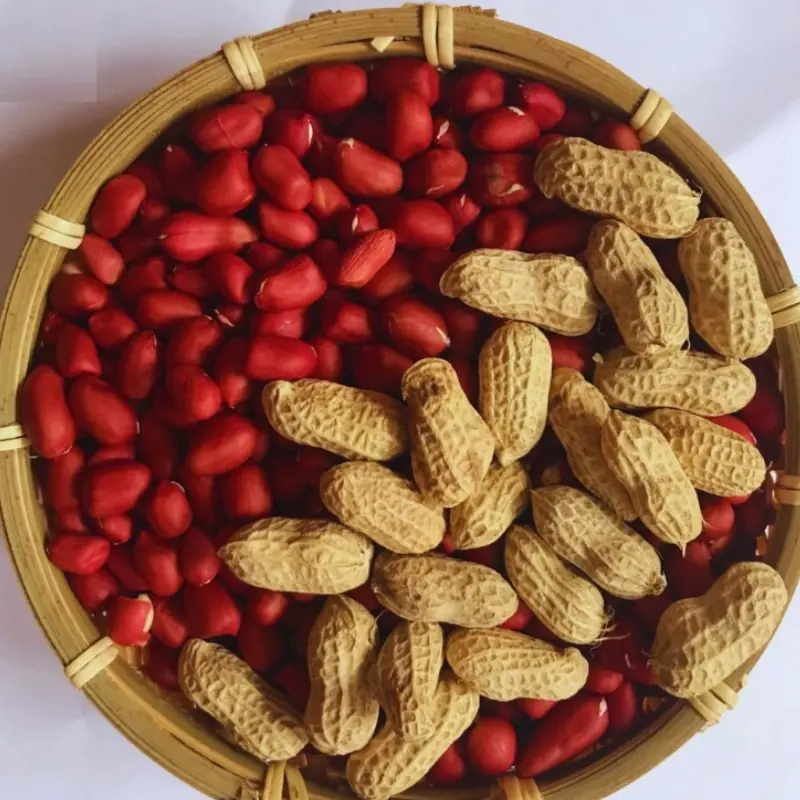
Cooking and Culinary Uses
In many traditional cuisines, red peanuts are favored for boiling or dry roasting. Boiled red peanuts are especially popular in certain regions because the skin helps them hold their shape and flavor during cooking. They are also commonly used in salads, stir-fries, and traditional snack mixes.
White peanuts are widely used in processed food production. They are often chosen for making peanut butter, peanut flour, and confectionery products. Their smooth appearance and consistent texture make them ideal for recipes that require a refined finish.
If you enjoy making homemade peanut butter, white peanuts may produce a creamier result. If you prefer a more rustic texture and richer flavor, red peanuts may be the better choice.
Digestibility and Personal Preference
Some people find white peanuts slightly easier to digest because the skin has been removed. The peanut skin contains natural compounds that, while beneficial, may cause mild digestive discomfort for sensitive individuals.
However, many nutrition enthusiasts prefer red peanuts precisely because of the added fiber and antioxidant content. For those seeking maximum nutritional value in whole foods, red peanuts may offer a slight edge.
Price and Availability
In some markets, red peanuts are more commonly sold in raw or minimally processed forms, while white peanuts are often available in packaged, ready-to-use options. Prices may vary depending on region and processing methods, but neither type is significantly more expensive overall.
So Which One Should You Choose?
The truth is that both red and white peanuts are healthy options. The choice ultimately depends on your priorities. If you value higher antioxidant content and don’t mind a slightly stronger flavor, red peanuts may be ideal. If you prefer a milder taste and smoother texture for baking or spreads, white peanuts might suit you better.
Rather than thinking of one as “better” than the other, consider how you plan to use them. Each type offers its own advantages, whether nutritional, culinary, or personal preference.