Why You Keep Waking Up at Night to Use the Bathroom — and the Simple Water Habit That Could Help
For millions of adults, especially seniors, uninterrupted sleep has become a luxury. One of the most common reasons? Repeated trips to the bathroom during the night. Known medically as nocturia, this condition doesn’t just disrupt rest — it can significantly affect long-term health, energy levels, and overall quality of life.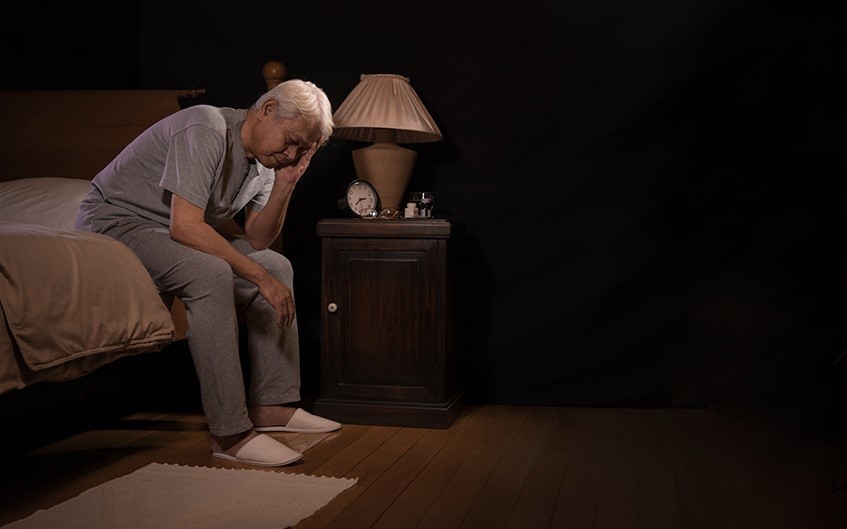
Urologists say the cause is often surprisingly simple: not just how much water you drink, but how and when you drink it.
The Hidden Cost of Nighttime Bathroom Trips
Waking up once during the night to urinate can be normal, particularly with aging. However, frequent nighttime urination — two or more times every night — may signal a deeper issue. Interrupted sleep cycles can lead to chronic fatigue, poor concentration, weakened immunity, and even increased risk of falls among older adults.
Many people assume the solution is to drink less water. In reality, this approach can backfire. Dehydration may irritate the bladder, concentrate urine, and worsen urinary urgency, making nighttime awakenings even more frequent.
According to urology specialists, hydration should not be reduced — it should be managed more strategically.
The Real Problem: Poor Hydration Timing
One of the most common mistakes is consuming large amounts of water late in the evening. When the body receives excess fluid close to bedtime, the kidneys continue producing urine while you sleep. This creates pressure on the bladder and triggers the need to wake up.
Instead of drinking heavily at night, experts recommend distributing fluid intake more evenly throughout the day. Proper daytime hydration allows the body to process fluids efficiently before bedtime, reducing the likelihood of overnight bathroom visits.
A practical strategy includes drinking most daily fluids earlier in the day and gradually reducing intake in the evening. This approach keeps the body hydrated without overwhelming the bladder during sleep hours.
The “Front-Loading” Hydration Method
Urologists often suggest a simple but effective habit sometimes called “front-loading” hydration. This involves drinking a larger portion of daily water intake during the morning and afternoon rather than at night.
By staying well-hydrated earlier, the body has sufficient time to absorb and eliminate excess fluid before bedtime. In contrast, consuming large amounts of water after dinner can lead directly to nighttime urination.
Experts also recommend limiting beverages about two to three hours before going to bed. Small sips are generally fine if you feel thirsty, but avoiding full glasses of water late at night can significantly reduce bladder activity during sleep.
Other Factors That Trigger Nighttime Urination
While hydration timing plays a major role, other lifestyle factors can worsen nocturia. Caffeine and alcohol are two of the most common triggers. Both act as diuretics, increasing urine production and irritating the bladder lining.
Salty foods can also influence nighttime urination. High sodium intake causes the body to retain fluid, which may later be released as urine during sleep. Managing salt consumption — especially at dinner — can help reduce overnight fluid shifts.
Additionally, certain medical conditions may contribute to frequent nighttime urination. These include diabetes, prostate enlargement, urinary tract infections, and sleep disorders such as sleep apnea. Persistent or severe symptoms should always be evaluated by a healthcare professional.
Simple Habits for Better Sleep
Improving nighttime bladder control often starts with small daily adjustments:
-
Drink most of your water before evening
-
Reduce fluids gradually after dinner
-
Avoid caffeine and alcohol late in the day
-
Use the bathroom right before bedtime
-
Maintain consistent sleep and hydration routines
These habits may seem minor, but they can dramatically improve sleep quality over time.
When to Seek Medical Advice
Occasional nighttime urination is normal. However, if you find yourself waking multiple times every night despite adjusting your hydration habits, it may be time to consult a doctor. Persistent nocturia can sometimes signal underlying health issues that require medical attention.
The key message from urologists is clear: don’t stop drinking water — drink it smarter. By simply changing when and how you hydrate, you may be able to sleep through the night more consistently and wake up feeling truly rested.