
10 Sentences You Should Never Say to the Man You Love
Words can heal or hurt—choose them wisely in love and conflict.
Facts 09/02/2026 23:16

Two Parenting Beliefs Many Think Are RIGHT — But Are Actually Harmful to Children
Are you making this mistake without realizing it?
On the journey of parenthood, many adults believe that as long as they “love their children unconditionally” and “invest everything in education,” their kids will grow up to be successful and well-adjusted. However, a growing body of research in education and psychology suggests something surprising: some of the beliefs that seem most correct can quietly create pressure and damage a child’s long-term development.
Below are two common parenting misconceptions that scientists have been warning about for years.
Many parents habitually praise their children with phrases like: “You’re so smart,” “You’re naturally gifted,” or “You were born more talented than others.” They believe these compliments boost confidence and motivate learning. But science suggests the opposite.
A famous study by Professor Carol Dweck of Stanford University on “fixed mindset” and “growth mindset” shows that children who are frequently praised for intelligence tend to fear failure more, avoid challenges, and give up more easily when facing difficulties. In an experiment published in the Journal of Personality and Social Psychology, children who were praised for being “smart” after performing well were more likely to choose easier tasks later. Meanwhile, children praised for their “effort” were more willing to choose harder tasks to learn and improve.
According to Dweck, when children believe success comes from inborn intelligence, they start to fear that failure means they are “no longer smart.” This becomes especially dangerous during school years, when mistakes and new challenges are constant. Instead of building confidence, this type of praise can trap children in the pressure of needing to be perfect all the time.
Researchers recommend that parents focus praise on effort and process: persistence, problem-solving, and the willingness to keep trying. These qualities build sustainable learning ability and resilience for the future.
Many parents believe that the closer they monitor everything — from study schedules and friendships to emotions — the safer and more successful their children will be. This belief is especially common in families where academic achievement is the top priority. However, numerous studies show that excessive control can have the opposite effect.
A research review published in Psychological Bulletin (2012) by Professors Nancy Darling and Laurence Steinberg found that highly controlling parenting styles are closely linked to higher levels of anxiety, depression, and reduced independence in adolescents. Children raised under intense supervision often struggle with decision-making, lack emotional self-regulation skills, and may secretly rebel when control is removed.
In particular, a long-term study from the University of Minnesota that followed children for more than 30 years found that those raised by parents who respected autonomy — allowing them to express opinions and make age-appropriate mistakes — were more likely to build healthy relationships and maintain psychological stability in adulthood.
What’s striking is that strict control is often disguised as “for your own good” or “we’re afraid you’ll go astray.” Yet science makes one thing clear: children cannot learn responsibility without opportunities to make choices and experience appropriate consequences for their age.
Both of these misconceptions come from love and a desire to give children the best. But education is not only about investing time, money, or sacrifice — it’s about understanding how children truly develop psychologically. When parents are willing to adjust how they praise, guide, and support their children, kids gain the chance to grow with confidence, inner strength, and the ability to stand firmly in an unpredictable world.
Words can heal or hurt—choose them wisely in love and conflict.
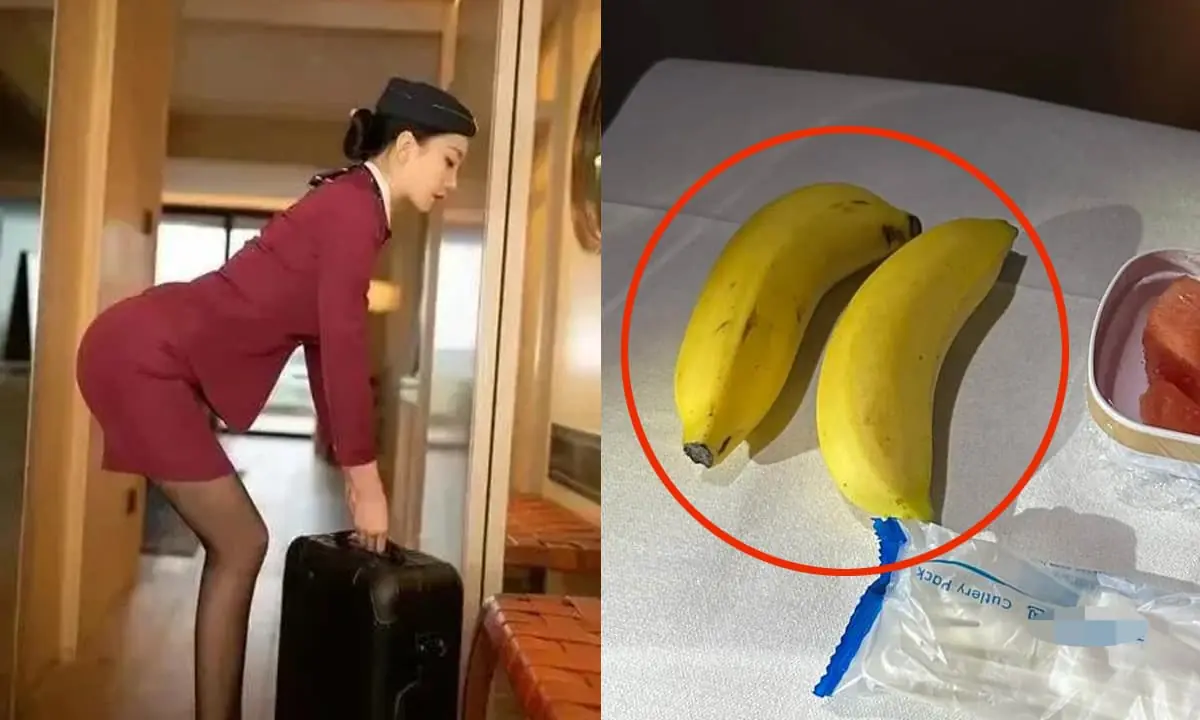
Why Do Many Flight Attendants Carry a Banana on Board?
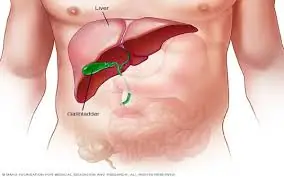
Life After Gallbladder Removal: What Happens Next and 3 Possible Risks

Few People Truly Understand What It Means to Wear a Ring on the Right Hand

Just as your body is finally surrendering to sleep, it happens.

Three Types of Women Men Should Never Underestimate

Marrying a weak man can be a lifelong mistake for a woman.
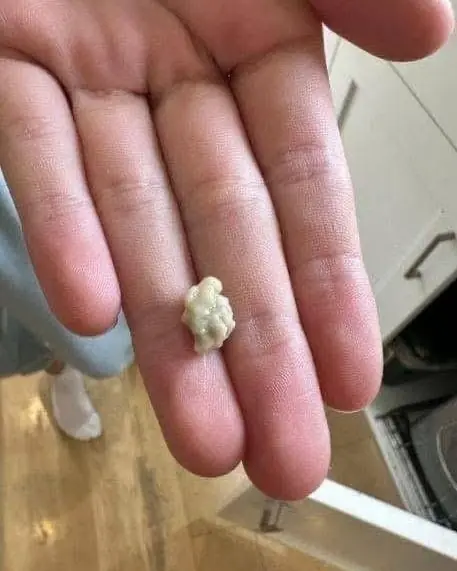
Yesterday I sneezed several times and felt something tickling my throat. Any idea what it was?

Even young individuals can experience strokes, as highlighted by the case of a 19-year-old suffering a stroke after a headache.

Love isn’t always enough—family dynamics can shape your future.

Small habits may quietly damage even the strongest marriages.

Why Are Some Window Bars Curved at the Bottom?


When a Lizard Appears in Your Home, It May Be Trying to Tell You Something…

Some relationships drain your energy more than you realize.

Think Before You Lend: 8 Things That Require Extra Caution

The true meaning when black butterflies enter your house

Why the “three no’s” rule may save your marriage from falling apart

Understanding the body’s natural rhythm through menstrual cycle tracking is the first step for women to actively manage their reproductive health.



As healthy living trends continue to grow, coconut water is often viewed as a relatively pure “natural electrolyte drink.”



Chicken gizzards: the overlooked superfood packed with nutrients







My Future Mother-in-Law Came to “Get Acquainted” — and Immediately Tried to Use Me, Demanding a “Small Favor”


“I blocked your card. I’m the man of this house, so I decide what we buy.” — But I taught my arrogant husband a lesson
Words can heal or hurt—choose them wisely in love and conflict.