When people think about the strongest parts of the human body, bones usually come to mind. Yet there is another structure that surpasses them in hardness: tooth enamel.
Enamel — the outermost layer of your teeth — is the hardest substance in the human body. Composed primarily of hydroxyapatite crystals, it forms an extraordinarily dense and mineralized shield.

Its role is protective.
Every day, your teeth endure mechanical pressure from chewing, temperature fluctuations from food and drinks, and chemical exposure from dietary acids.
Enamel absorbs and distributes these forces, safeguarding the more sensitive inner layers — dentin and pulp.
Despite its strength, enamel has a critical limitation: it cannot regenerate.
Unlike skin or bone, which can repair themselves, enamel loss is permanent. Once it erodes or wears away, the body cannot naturally rebuild it.
This makes preservation essential.
Enamel erosion can occur gradually through everyday habits:

Frequent exposure to acidic foods or beverages
Sugary diets that promote bacterial acid production
Aggressive brushing techniques
Teeth grinding
Dry mouth conditions
Acid is enamel’s primary adversary. When pH levels in the mouth drop, minerals begin to leach from the enamel surface — a process called demineralization.
Saliva helps counteract this by neutralizing acids and delivering remineralizing minerals like calcium and phosphate.
Fluoride, commonly found in toothpaste, further supports remineralization by strengthening enamel’s crystalline structure.
Protective oral care habits include:
Brushing gently with fluoride toothpaste
Flossing to reduce bacterial buildup
Limiting frequent acidic snacking
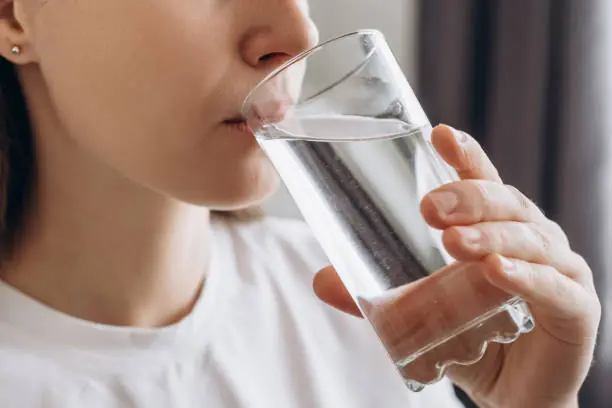
Drinking water after acidic intake
Waiting before brushing after acidic foods
Temperature sensitivity can sometimes signal enamel thinning, as underlying dentin becomes more exposed.

But enamel’s importance is not purely functional — it is also aesthetic. Its translucency influences tooth brightness and overall smile appearance.
From a structural standpoint, enamel’s durability reflects evolutionary adaptation. Human diets historically required significant chewing force, and enamel developed to withstand this demand.
Yet modern dietary patterns — especially frequent acidic beverages — introduce challenges enamel did not evolve to face in such concentration.
Understanding enamel’s strength alongside its vulnerability creates balance.
Yes, it is the hardest substance in your body.
But it is not indestructible.
Preserving it is less about dramatic interventions and more about consistent daily care — small habits that protect a structure you rely on every time you eat, speak, or smile.
Because sometimes, the body’s strongest materials are also the ones that require the most mindful protection.