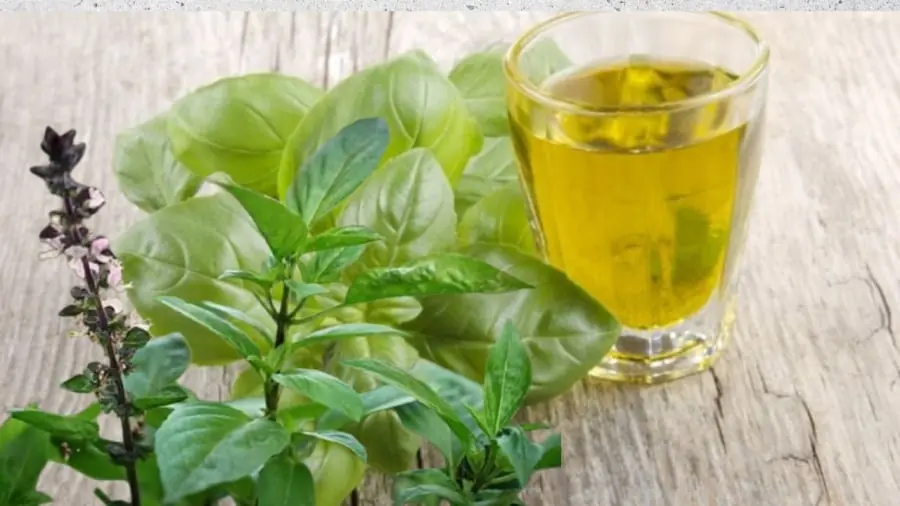
From Detox to Heart Health: 10 Reasons Basil Is a Natural Superfood
Often seen as a simple garnish or aromatic addition to meals, basil is far more than a flavorful herb.
Health 10/02/2026 01:17
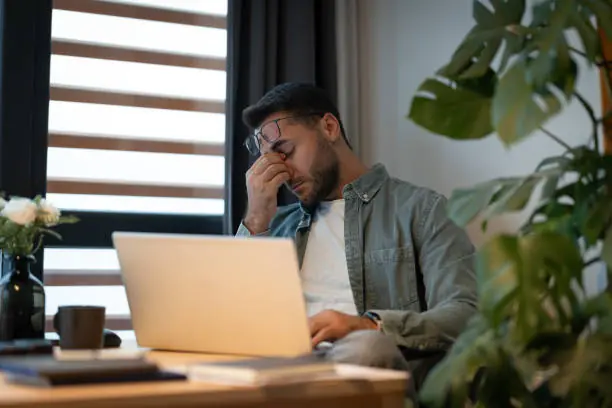
Posture is often framed as an aesthetic issue — standing tall, looking confident, appearing professional. But beneath the surface, posture plays a far deeper physiological role.
The way you sit, stand, and hold your spine directly affects your breathing mechanics, circulation, energy levels, and even cognitive performance.

Modern lifestyles have introduced what many experts call “chair-adapted posture.” Hours spent hunched over laptops and phones pull the head forward, round the shoulders, and compress the diaphragm.
This isn’t just a musculoskeletal issue — it’s a respiratory one.
When you slouch, your rib cage collapses inward, limiting lung expansion. The diaphragm — your primary breathing muscle — can’t descend fully. As a result, breathing becomes shallow and chest-dominant.
Shallow breathing reduces oxygen exchange efficiency, which may lead to:
Why stress?
Because shallow breathing mimics the body’s fight-or-flight pattern. Your nervous system interprets it as a sign of threat, subtly increasing cortisol and heart rate.
In contrast, upright posture supports diaphragmatic breathing — slower, deeper breaths that activate the parasympathetic (calming) nervous system.

Posture, therefore, influences not just how you look — but how your nervous system behaves.
There’s also a circulation component.
Forward-head posture places strain on cervical blood vessels and surrounding musculature. Over time, this tension can contribute to headaches and reduced blood flow efficiency to the brain.
Meanwhile, compressed abdominal posture may affect digestion by placing pressure on internal organs — one reason some people experience reflux or discomfort after long periods of sitting hunched.
The solution isn’t “perfect posture” all day — that’s unrealistic.
The goal is postural variability — moving between positions to prevent prolonged compression.
Practical strategies include:
Stand, stretch, or walk briefly every 30 minutes.
Keep monitors at eye level to reduce forward head drift.
Align ribs over pelvis when sitting to support diaphragm movement.
If your breathing feels shallow, adjust posture before forcing deep breaths.
Upper back and core exercises help sustain upright posture naturally.

Interestingly, studies show that upright posture may also influence psychological state. Participants sitting upright reported higher confidence and lower negative mood compared to slouched positions.
Posture feeds physiology — and physiology feeds psychology.
Over months and years, small postural habits accumulate into meaningful health effects:
So the next time you adjust your posture, remember:
You’re not just “sitting up straight.”
You’re creating more space for your lungs, your circulation, and your brain to function at their best.
Posture isn’t cosmetic — it’s biological infrastructure.
Often seen as a simple garnish or aromatic addition to meals, basil is far more than a flavorful herb.
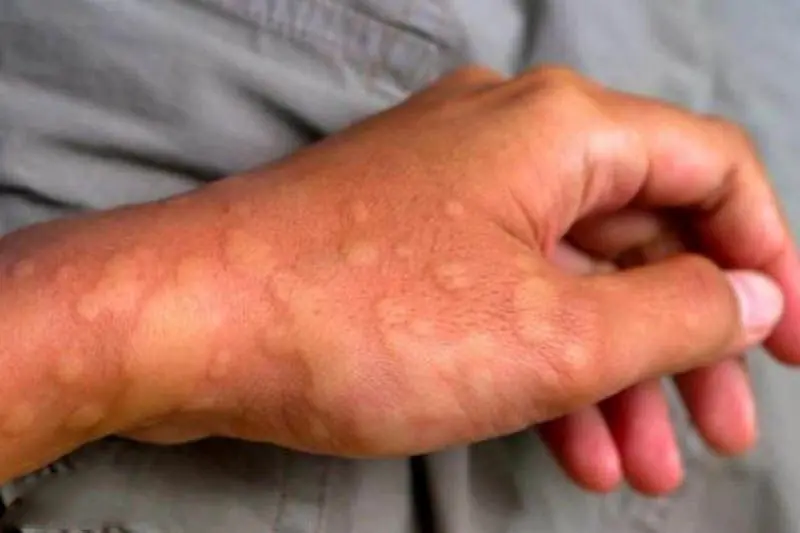
After suffering from prolonged itching, a 37-year-old woman sought specialized medical examination and was diagnosed with infections from five different parasites
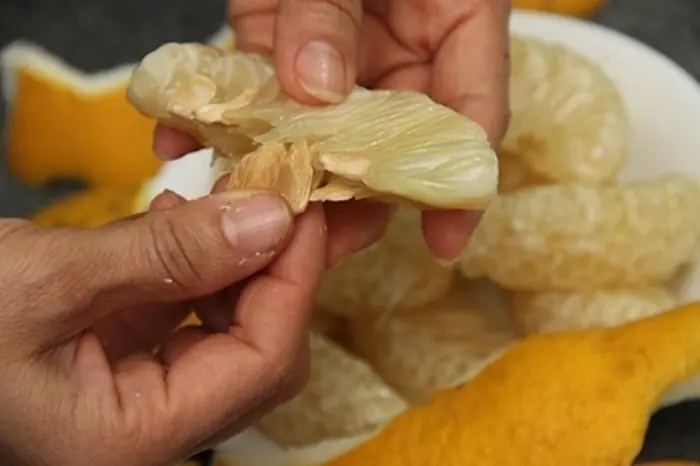
Consuming it incorrectly can transform this fruit into a silent threat to the liver.

As healthy living trends continue to grow, coconut water is often viewed as a relatively pure “natural electrolyte drink.”


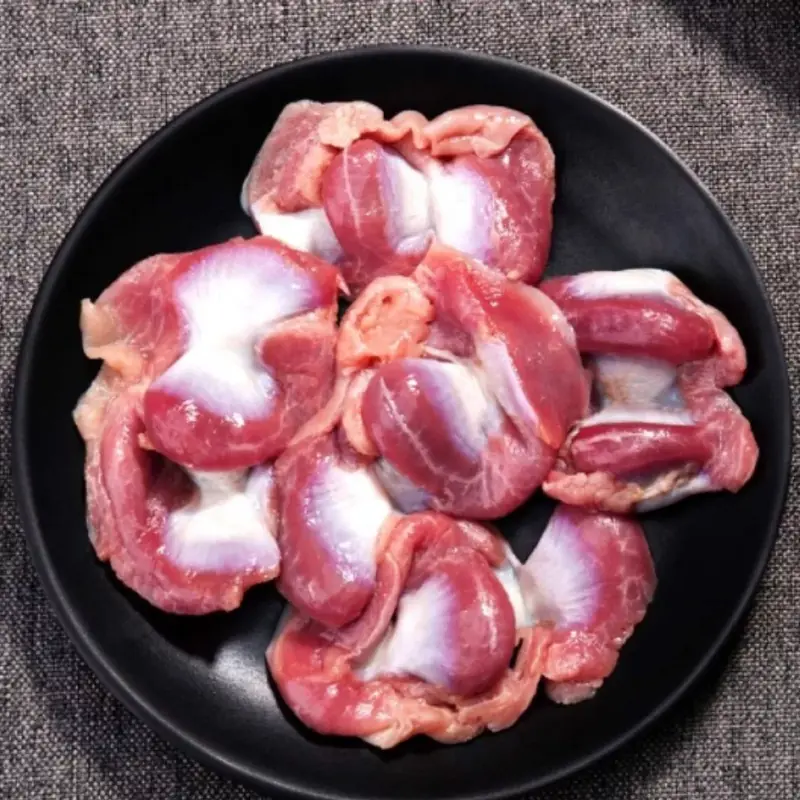
Chicken gizzards: the overlooked superfood packed with nutrients



Often seen as a simple garnish or aromatic addition to meals, basil is far more than a flavorful herb.

I’m 73 Years Old. I Live Alone, But I Never Feel Lonely. My Top 4 Tips
After suffering from prolonged itching, a 37-year-old woman sought specialized medical examination and was diagnosed with infections from five different parasites
Consuming it incorrectly can transform this fruit into a silent threat to the liver.
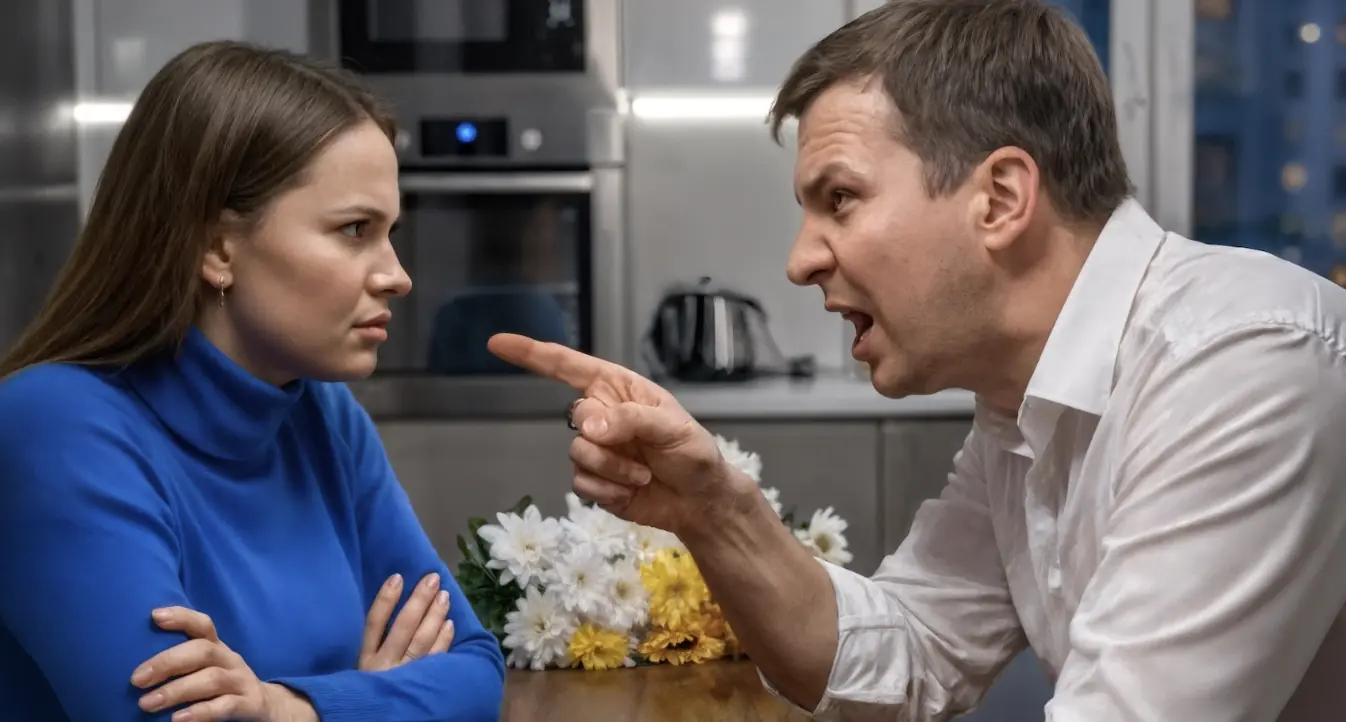
“Who Cares Whose Apartment It Is? I’m the Man — That Means I Run Everything,” the Unemployed Husband Declared

“Now that’s a real man — he squeezed the chicken dry!” the mother-in-law was already celebrating her victory

“I’m the one buying the groceries, and this house is“I’m the one buying the groceries, and this house is mine—so pack up and get out.” I cut off my mother-in-law’s little performance mine—so pack up and get out.” I cut off my mother-in-l
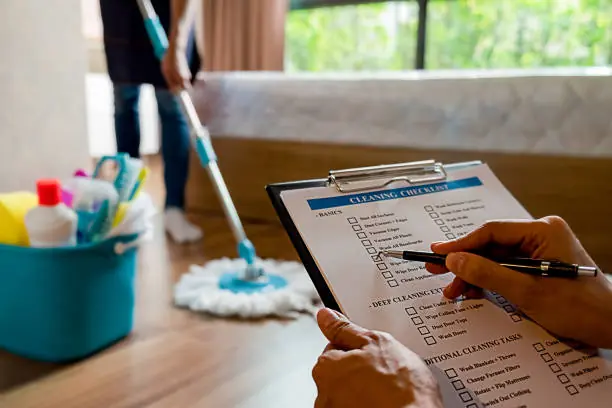

“Stop spending money on yourself—our son needs to save up for a car!” my mother-in-law snapped, eyeing my manicure


As healthy living trends continue to grow, coconut water is often viewed as a relatively pure “natural electrolyte drink.”
Chicken gizzards: the overlooked superfood packed with nutrients