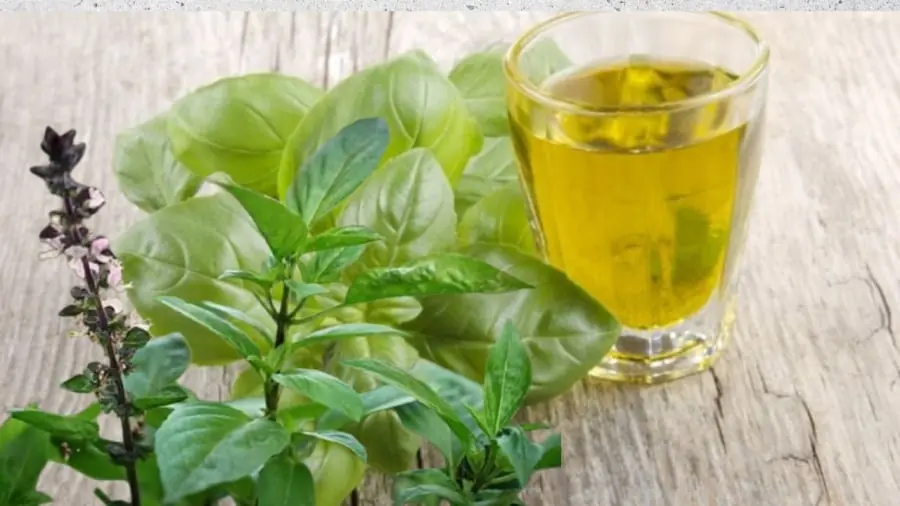
From Detox to Heart Health: 10 Reasons Basil Is a Natural Superfood
Often seen as a simple garnish or aromatic addition to meals, basil is far more than a flavorful herb.
Health 10/02/2026 01:17
In a world built on speed, eating has become just another rushed task — something squeezed between meetings, screens, and notifications. But the pace at which you eat may be influencing your hunger, digestion, and long-term metabolic health far more than you realize.
Satiety — the feeling of fullness — isn’t instantaneous. It’s regulated by a complex feedback system involving the stomach, intestines, brain, and multiple hormones, including leptin, ghrelin, and peptide YY. These signals take time to travel and register.

When you eat too quickly, you can easily consume more food before your brain receives the message that you’re full.
Research has consistently shown that fast eaters tend to have higher calorie intake per meal compared to slow eaters — not because they’re hungrier, but because satiety signaling hasn’t caught up yet.
Chewing plays a critical role here.
Mechanical breakdown of food increases surface area for digestive enzymes, supporting more efficient nutrient extraction. Saliva also contains enzymes like amylase, which begin carbohydrate digestion in the mouth — a step bypassed when food is swallowed too quickly.
Slower chewing has been associated with:
There’s also a neurological component.
Eating slowly enhances sensory exposure — taste, texture, aroma — which increases meal satisfaction and reduces the likelihood of seeking additional snacks shortly after.

Practical strategies to slow eating include:
Over time, slowing your eating pace can recalibrate hunger awareness, making it easier to recognize true fullness cues.
Because fullness isn’t just about how much you eat…

It’s about whether your body has time to notice.
Often seen as a simple garnish or aromatic addition to meals, basil is far more than a flavorful herb.

After suffering from prolonged itching, a 37-year-old woman sought specialized medical examination and was diagnosed with infections from five different parasites
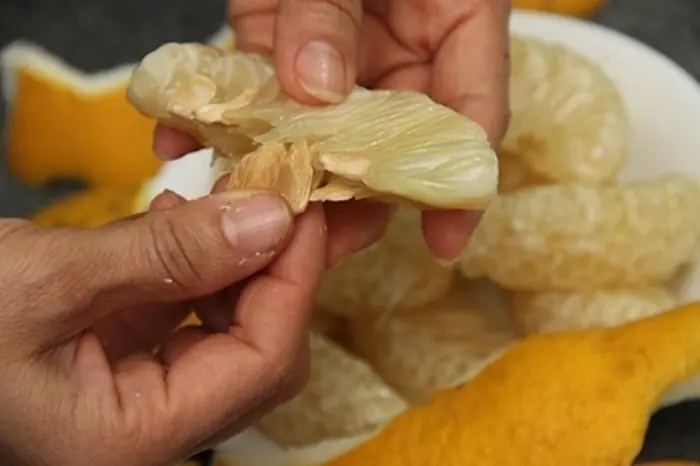
Consuming it incorrectly can transform this fruit into a silent threat to the liver.


As healthy living trends continue to grow, coconut water is often viewed as a relatively pure “natural electrolyte drink.”


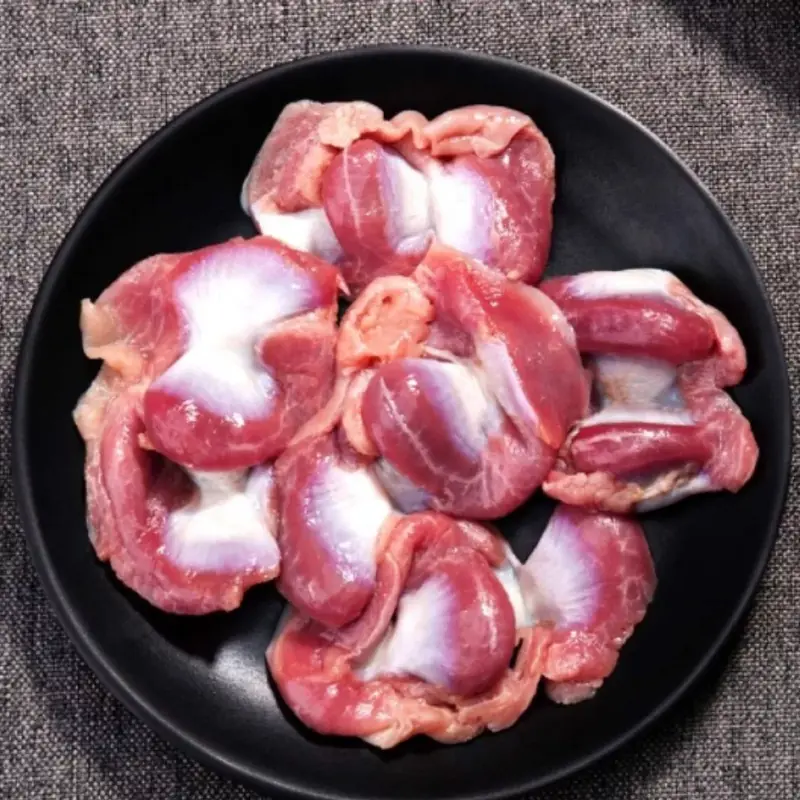
Chicken gizzards: the overlooked superfood packed with nutrients










Often seen as a simple garnish or aromatic addition to meals, basil is far more than a flavorful herb.

I’m 73 Years Old. I Live Alone, But I Never Feel Lonely. My Top 4 Tips
After suffering from prolonged itching, a 37-year-old woman sought specialized medical examination and was diagnosed with infections from five different parasites
Consuming it incorrectly can transform this fruit into a silent threat to the liver.

“Who Cares Whose Apartment It Is? I’m the Man — That Means I Run Everything,” the Unemployed Husband Declared

“Now that’s a real man — he squeezed the chicken dry!” the mother-in-law was already celebrating her victory

“I’m the one buying the groceries, and this house is“I’m the one buying the groceries, and this house is mine—so pack up and get out.” I cut off my mother-in-law’s little performance mine—so pack up and get out.” I cut off my mother-in-l


“Stop spending money on yourself—our son needs to save up for a car!” my mother-in-law snapped, eyeing my manicure



As healthy living trends continue to grow, coconut water is often viewed as a relatively pure “natural electrolyte drink.”
Chicken gizzards: the overlooked superfood packed with nutrients