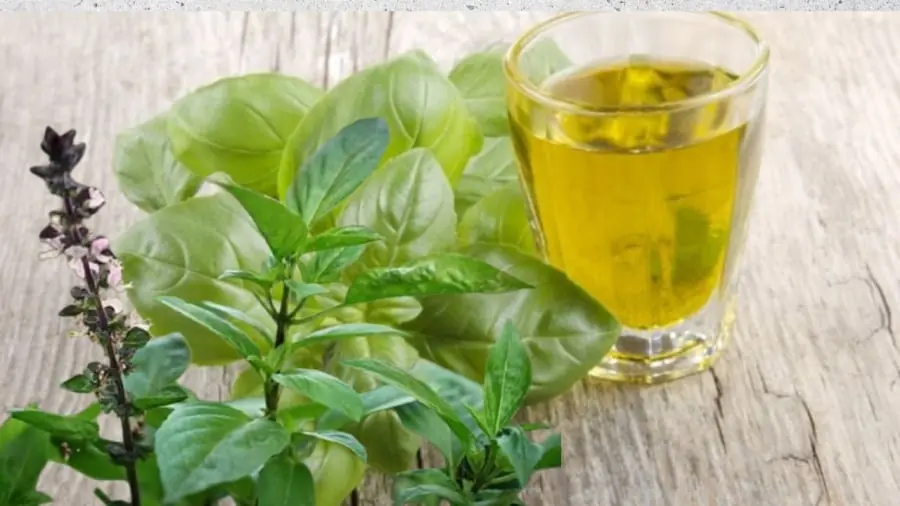
From Detox to Heart Health: 10 Reasons Basil Is a Natural Superfood
Often seen as a simple garnish or aromatic addition to meals, basil is far more than a flavorful herb.
Health 10/02/2026 01:17
When people hear the word “diet,” they think of food. But your brain consumes more than nutrients — it consumes sensory input.
Light, sound, notifications, conversations, traffic, screens — all form what neuroscientists sometimes call a sensory diet. And just like nutritional overload affects physical health, sensory overload affects cognitive and emotional regulation.

Modern environments are saturated with stimulation.
Open offices, constant alerts, background media, urban noise, and artificial lighting create a near-continuous stream of sensory demands. While the brain is adaptive, it isn’t limitless.
Every stimulus requires neural processing energy.
Over time, excessive sensory load may contribute to:
One major factor is noise pollution.
Even low-level background noise — HVAC hums, traffic, distant conversations — can increase cortisol levels and cognitive strain. The brain subconsciously monitors auditory environments for threat relevance, consuming attention even when you try to ignore it.
Light exposure is another powerful regulator.
Bright artificial light late at night suppresses melatonin, delays sleep onset, and fragments circadian rhythm signaling. Blue-enriched light from screens is particularly potent in signaling wakefulness to the brain.

During the day, however, insufficient natural light may reduce alertness and mood stability.
Sensory balance — not deprivation — is the goal.
A well-structured sensory diet includes cycles of stimulation and recovery.
Practical ways to manage sensory load include:
Noise-canceling headphones or nature soundscapes reduce cognitive strain.
Bright light for work, dim warm light for evenings.
Limit constant alert interruptions.
Cleaner spaces reduce attentional fragmentation.
Moments of intentional quiet allow neural reset.

Many people notice that reducing sensory overload leads to:
Your brain, like your body, requires recovery periods.
Constant stimulation without reset is the neurological equivalent of nonstop exercise without rest.
So alongside nutritional diet and physical activity, consider asking:
“What is my brain consuming all day?”
Because protecting mental energy isn’t only about time management…
It’s about sensory management.
Often seen as a simple garnish or aromatic addition to meals, basil is far more than a flavorful herb.

After suffering from prolonged itching, a 37-year-old woman sought specialized medical examination and was diagnosed with infections from five different parasites
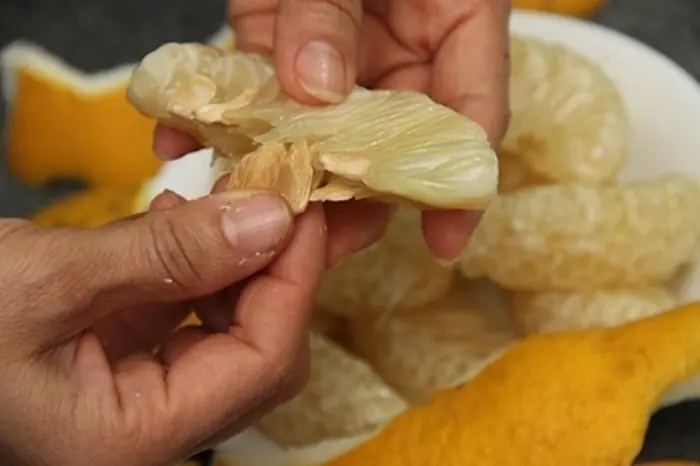
Consuming it incorrectly can transform this fruit into a silent threat to the liver.


As healthy living trends continue to grow, coconut water is often viewed as a relatively pure “natural electrolyte drink.”


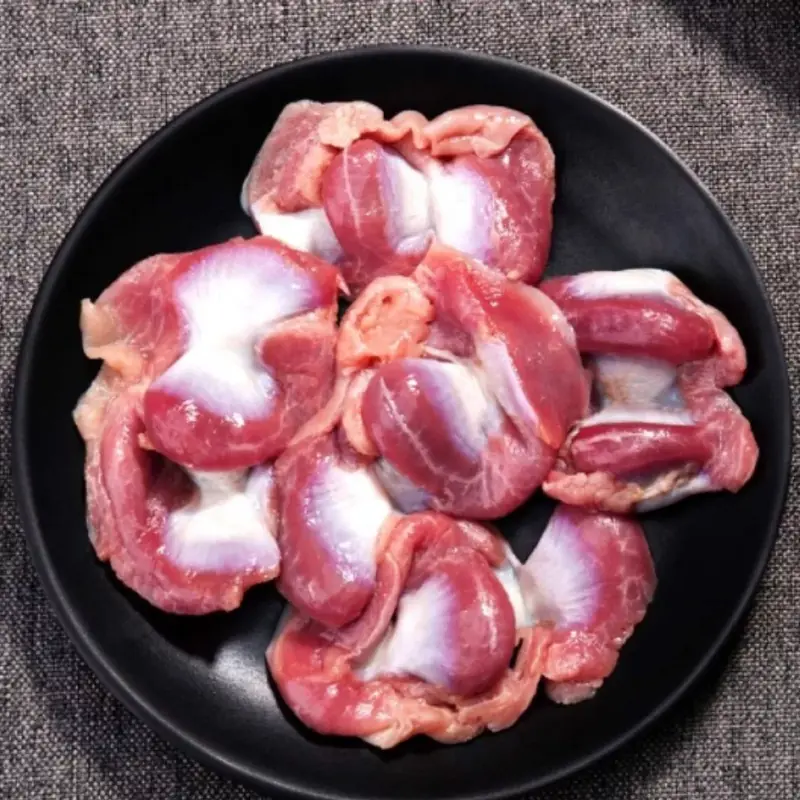
Chicken gizzards: the overlooked superfood packed with nutrients









Often seen as a simple garnish or aromatic addition to meals, basil is far more than a flavorful herb.

I’m 73 Years Old. I Live Alone, But I Never Feel Lonely. My Top 4 Tips
After suffering from prolonged itching, a 37-year-old woman sought specialized medical examination and was diagnosed with infections from five different parasites
Consuming it incorrectly can transform this fruit into a silent threat to the liver.

“Who Cares Whose Apartment It Is? I’m the Man — That Means I Run Everything,” the Unemployed Husband Declared

“Now that’s a real man — he squeezed the chicken dry!” the mother-in-law was already celebrating her victory

“I’m the one buying the groceries, and this house is“I’m the one buying the groceries, and this house is mine—so pack up and get out.” I cut off my mother-in-law’s little performance mine—so pack up and get out.” I cut off my mother-in-l


“Stop spending money on yourself—our son needs to save up for a car!” my mother-in-law snapped, eyeing my manicure



As healthy living trends continue to grow, coconut water is often viewed as a relatively pure “natural electrolyte drink.”
Chicken gizzards: the overlooked superfood packed with nutrients