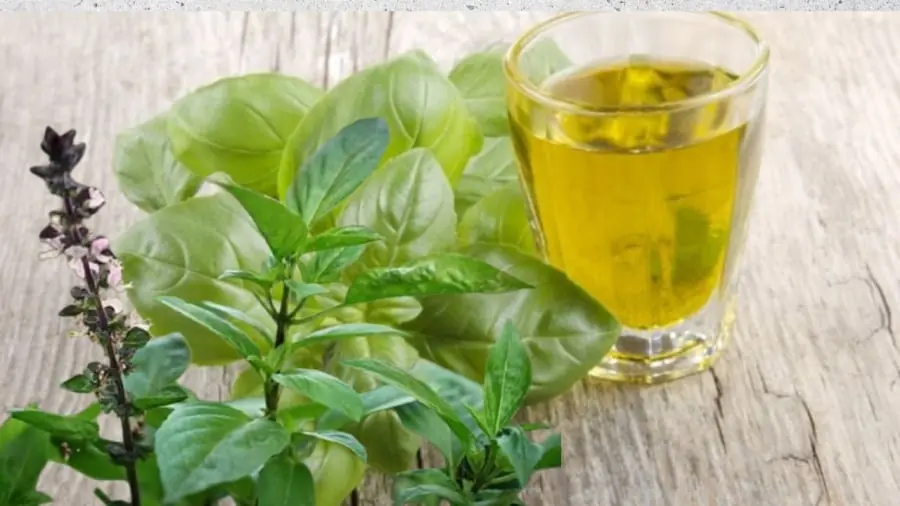
From Detox to Heart Health: 10 Reasons Basil Is a Natural Superfood
Often seen as a simple garnish or aromatic addition to meals, basil is far more than a flavorful herb.
Health 10/02/2026 01:17
For most of human history, sunlight dictated the rhythm of life — bright days, dark nights, and a circadian system calibrated to natural light cycles.
Today, screens have introduced a new variable: digital light exposure — sometimes called “digital sunlight.”

Phones, tablets, laptops, and LED lighting emit blue-enriched wavelengths that closely mimic the alertness signals of daytime light. While useful for productivity, this exposure — especially at night — can interfere with the body’s sleep programming.
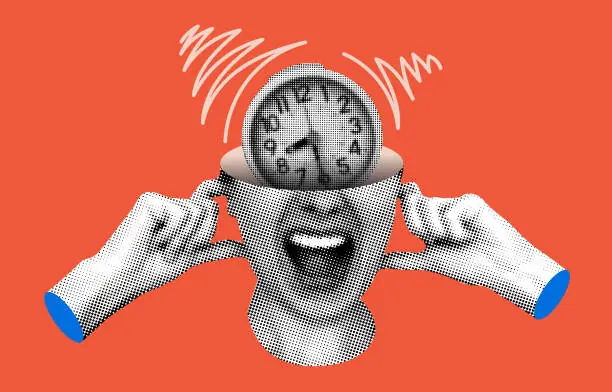
Your circadian rhythm relies heavily on light cues detected by specialized retinal cells. When exposed to blue light in the evening, the brain suppresses melatonin — the hormone that signals it’s time to sleep.
This can lead to:
Even brief late-night scrolling can shift circadian timing.

But the issue isn’t just nighttime exposure — it’s imbalance.
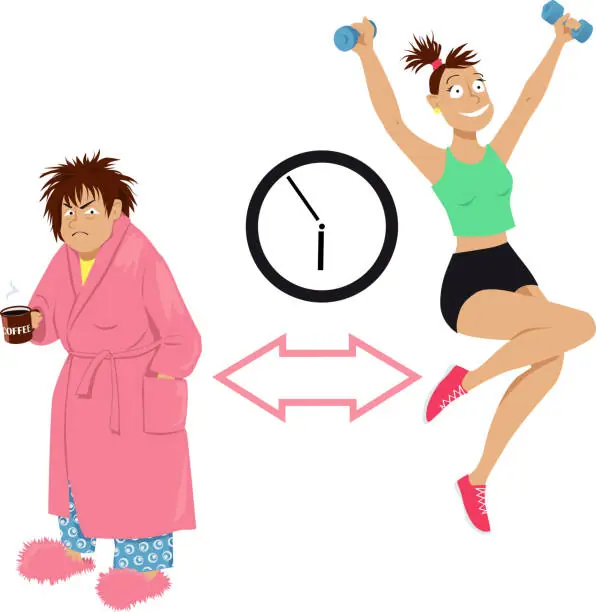
Many people receive too little natural daylight and too much artificial light at night — the exact opposite of what circadian biology expects.
Daytime sunlight exposure helps anchor your internal clock, improving:
Without adequate daylight, the brain struggles to distinguish day from night — making evening light more disruptive.
Managing digital light doesn’t require eliminating screens entirely. Instead, it involves strategic exposure:
Get natural light within 30–60 minutes of waking.
Dim overhead lights 2 hours before bed.
Use night mode or blue-blocking lenses in the evening.
Limit device use 60–90 minutes before sleep.
Switch to amber or warm LEDs at night.

People who rebalance light exposure often notice:
Light is more than illumination.
It’s biological information — programming your hormones, alertness, and recovery cycles daily.
And in the digital age, managing light may be just as important as managing sleep itself.
Often seen as a simple garnish or aromatic addition to meals, basil is far more than a flavorful herb.
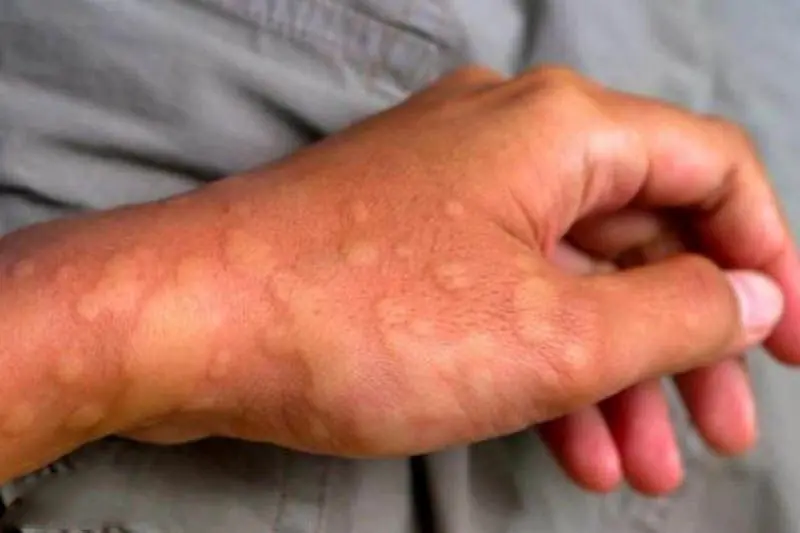
After suffering from prolonged itching, a 37-year-old woman sought specialized medical examination and was diagnosed with infections from five different parasites

Consuming it incorrectly can transform this fruit into a silent threat to the liver.


As healthy living trends continue to grow, coconut water is often viewed as a relatively pure “natural electrolyte drink.”

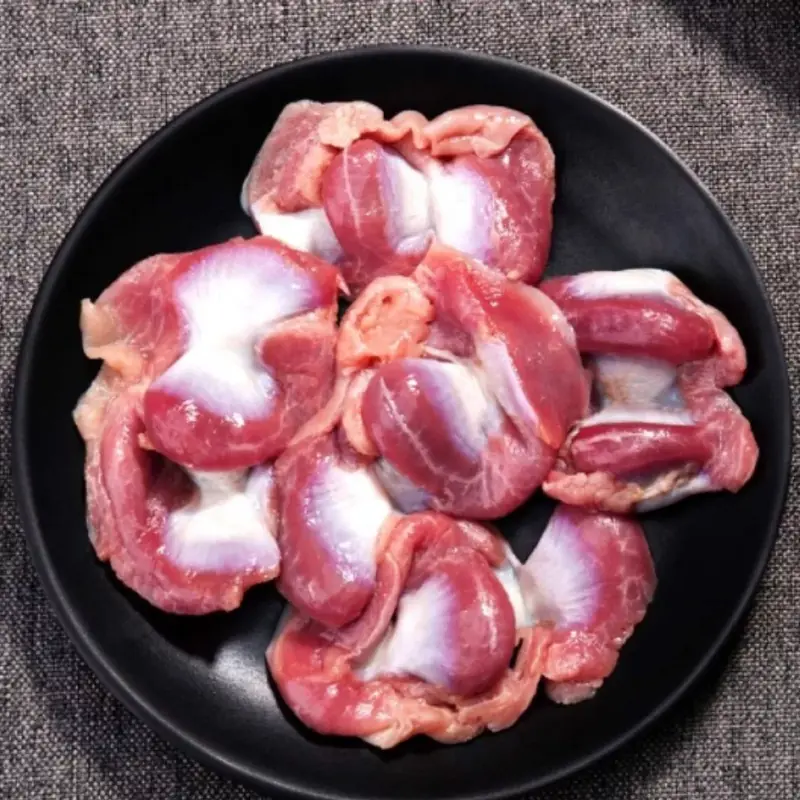
Chicken gizzards: the overlooked superfood packed with nutrients





Often seen as a simple garnish or aromatic addition to meals, basil is far more than a flavorful herb.

I’m 73 Years Old. I Live Alone, But I Never Feel Lonely. My Top 4 Tips
After suffering from prolonged itching, a 37-year-old woman sought specialized medical examination and was diagnosed with infections from five different parasites
Consuming it incorrectly can transform this fruit into a silent threat to the liver.

“Who Cares Whose Apartment It Is? I’m the Man — That Means I Run Everything,” the Unemployed Husband Declared

“Now that’s a real man — he squeezed the chicken dry!” the mother-in-law was already celebrating her victory

“I’m the one buying the groceries, and this house is“I’m the one buying the groceries, and this house is mine—so pack up and get out.” I cut off my mother-in-law’s little performance mine—so pack up and get out.” I cut off my mother-in-l

“Stop spending money on yourself—our son needs to save up for a car!” my mother-in-law snapped, eyeing my manicure



As healthy living trends continue to grow, coconut water is often viewed as a relatively pure “natural electrolyte drink.”
Chicken gizzards: the overlooked superfood packed with nutrients