From Detox to Heart Health: 10 Reasons Basil Is a Natural Superfood
Often seen as a simple garnish or aromatic addition to meals, basil is far more than a flavorful herb. Across cultures and traditional medicine systems, basil has been valued for centuries for its therapeutic properties. Modern nutritional science now supports many of these long-held beliefs, revealing that basil is rich in antioxidants, essential nutrients, and plant compounds that can support overall health. From detoxification to cardiovascular support, here are ten reasons basil deserves recognition as a true natural superfood.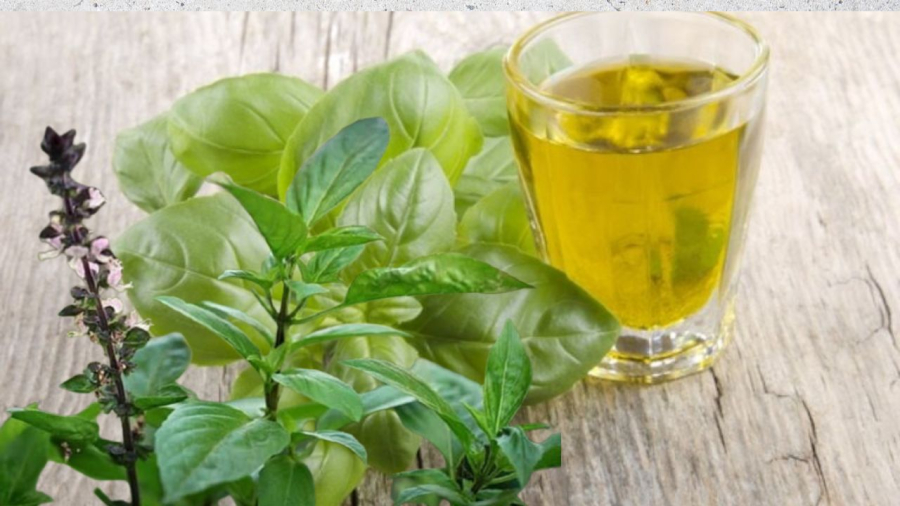
1. Rich in Powerful Antioxidants
Basil contains a wide range of antioxidants, including flavonoids, polyphenols, and essential oils such as eugenol and rosmarinic acid. These compounds help neutralize free radicals in the body, reducing oxidative stress and protecting cells from damage associated with aging and chronic disease.
2. Supports Natural Detoxification
Basil has traditionally been used to help the body eliminate toxins. Its natural compounds may assist liver function, the organ primarily responsible for detoxification. By supporting liver health, basil helps the body process and remove harmful substances more efficiently.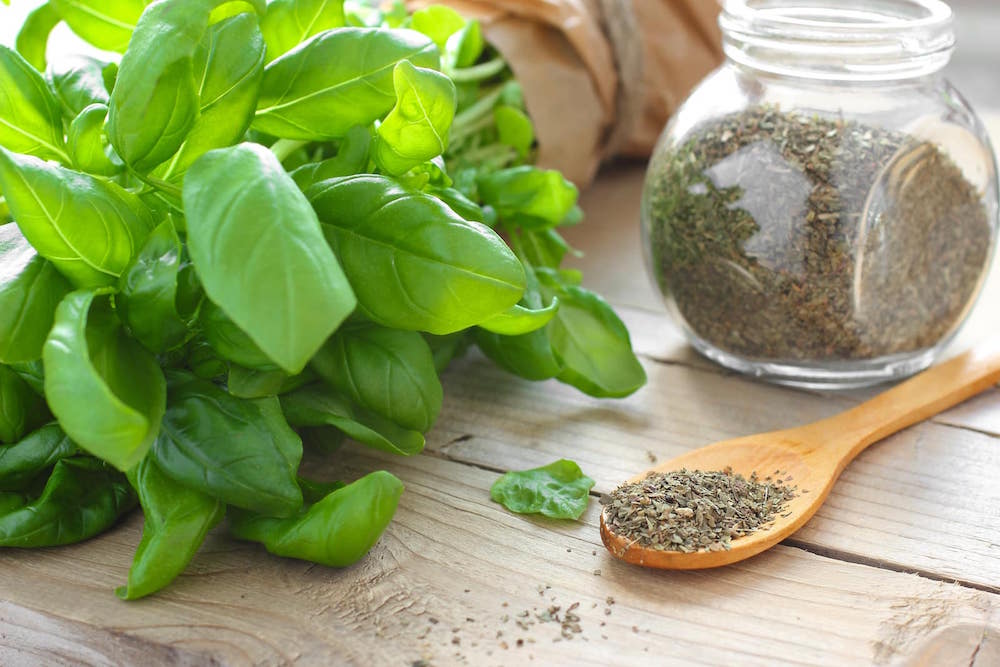
3. Promotes Heart Health
One of basil’s most notable benefits lies in cardiovascular support. The herb contains magnesium, which helps relax blood vessels and improve blood flow. Antioxidants in basil also help reduce inflammation and oxidative stress, both of which are linked to heart disease. Regular consumption may contribute to maintaining healthy blood pressure and cholesterol levels.
4. Strengthens the Immune System
Basil is a natural source of vitamin C and other immune-supporting compounds. Its antimicrobial and anti-inflammatory properties can help the body defend against infections and support overall immune resilience. In many traditional practices, basil tea is commonly used to help the body recover from seasonal illnesses.
5. Helps Manage Stress and Fatigue
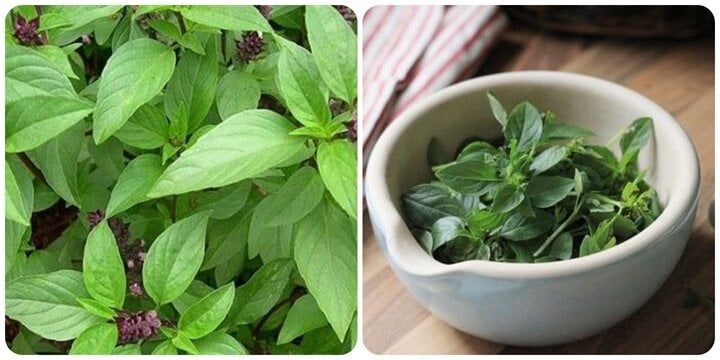
Certain varieties, such as holy basil (also known as tulsi), are considered adaptogens. Adaptogenic herbs help the body cope with stress and maintain balance. Basil’s natural compounds may help regulate cortisol levels and support mental clarity, making it beneficial for managing everyday stress and fatigue.
6. Supports Digestive Health
Basil has long been used to soothe digestive discomfort. It can help stimulate digestive enzymes, reduce bloating, and support healthy gut function. The herb’s anti-inflammatory properties may also help calm irritation in the digestive tract, promoting smoother digestion overall.
7. May Help Regulate Blood Sugar
Emerging research suggests that basil may play a role in supporting healthy blood sugar levels. Certain plant compounds found in basil may help improve insulin sensitivity and glucose metabolism, making it a useful addition to balanced diets aimed at blood sugar management.
8. Anti-Inflammatory Properties
Chronic inflammation is linked to many long-term health conditions, including heart disease, arthritis, and metabolic disorders. Basil contains essential oils and plant compounds known to have anti-inflammatory effects, helping to reduce inflammation throughout the body.
9. Supports Skin Health and Aging Prevention
Thanks to its antioxidant content, basil can help protect the skin from environmental damage and premature aging. Antioxidants support collagen health and may reduce the appearance of fine lines and dullness. Basil extracts are also used in some skincare formulations for their antibacterial and soothing properties.
10. A Nutrient-Dense, Low-Calorie Addition to Any Diet
Basil provides important nutrients such as vitamin K, vitamin A, calcium, and iron while remaining low in calories. This makes it an easy and nutritious addition to a wide variety of dishes. Whether added fresh to salads, blended into smoothies, or infused into teas, basil enhances both flavor and nutritional value without adding excess calories.
A Simple Herb with Powerful Potential
Basil’s versatility and impressive nutritional profile make it much more than a culinary herb. Its ability to support detoxification, heart health, immunity, and overall well-being highlights why it has earned a place in both traditional remedies and modern wellness practices. Incorporating fresh basil into daily meals is a simple yet effective way to enhance health naturally, proving that sometimes the most powerful superfoods are already within reach in the kitchen.