
From Detox to Heart Health: 10 Reasons Basil Is a Natural Superfood
Often seen as a simple garnish or aromatic addition to meals, basil is far more than a flavorful herb.
Health 10/02/2026 01:17
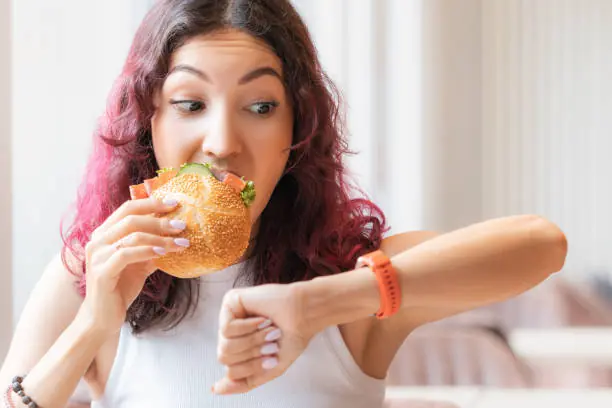
Most people know they should drink more water. Hydration advice is everywhere — “8 glasses a day,” “carry a bottle,” “drink before you’re thirsty.” But what often gets overlooked is hydration timing — and it can significantly influence energy, digestion, focus, and even sleep quality.
Your body doesn’t use water uniformly throughout the day. Fluid needs fluctuate based on hormonal rhythms, activity levels, and metabolic processes. Drinking randomly — or chugging large amounts at once — isn’t as effective as spacing intake strategically.

Let’s start with the morning.
After 7–9 hours of sleep, your body wakes in a naturally dehydrated state. Respiration, perspiration, and cellular repair processes all use water overnight. This is why morning dehydration is often linked to grogginess, headaches, and sluggish digestion.
Drinking water within the first 30 minutes of waking helps:
Adding electrolytes or a pinch of mineral salt may further enhance fluid absorption.
Midday hydration plays a cognitive role.
Even mild dehydration — as little as 1–2% body weight loss — has been associated with reduced concentration, slower reaction time, and increased mental fatigue. Office environments, air conditioning, and prolonged screen time often suppress thirst signals, leading to underhydration without awareness.
Spacing water intake every 60–90 minutes can help maintain cognitive steadiness rather than waiting until thirst spikes.

But evening hydration requires balance.
Drinking large volumes late at night may disrupt sleep due to nocturnal awakenings. However, underhydration can also impair overnight recovery and mucosal hydration (affecting breathing and snoring).
The key is tapering intake:
Hydration timing also affects digestion.
Drinking excessive water immediately before or during meals may dilute gastric juices in some individuals, potentially slowing digestion. While this effect varies, many people report better digestive comfort when hydrating between meals rather than during them.
Another overlooked factor is activity-linked hydration.
Exercise, heat exposure, and high-protein or high-fiber meals all increase fluid demand. Aligning water intake around these stressors supports circulation, thermoregulation, and nutrient transport.

Signs your hydration timing may need adjustment include:
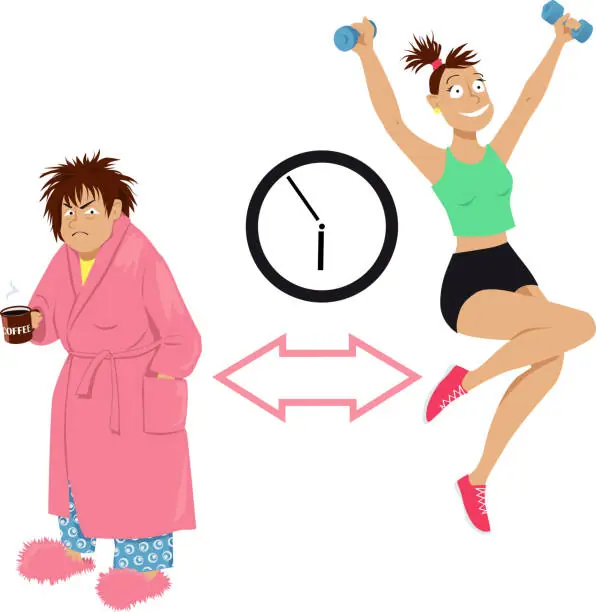
Optimizing hydration isn’t about obsessing over ounces — it’s about rhythm.
A practical daily structure might look like:
When hydration aligns with biological demand, people often notice:
Water isn’t just about quantity — it’s about timing intelligence.
Because the body doesn’t hydrate on a schedule…
It hydrates on a rhythm.
Often seen as a simple garnish or aromatic addition to meals, basil is far more than a flavorful herb.

After suffering from prolonged itching, a 37-year-old woman sought specialized medical examination and was diagnosed with infections from five different parasites
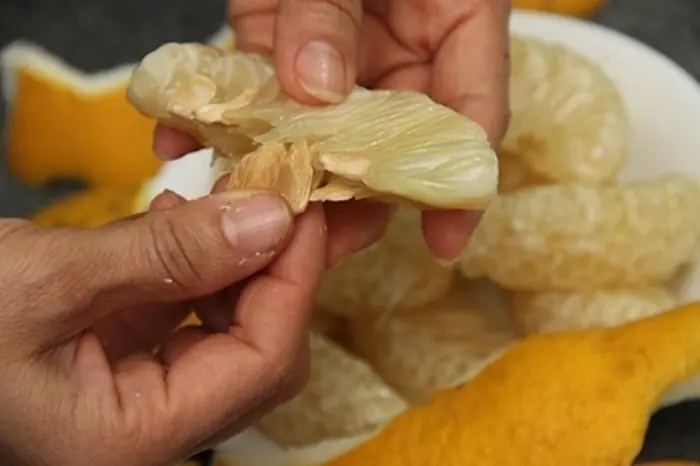
Consuming it incorrectly can transform this fruit into a silent threat to the liver.

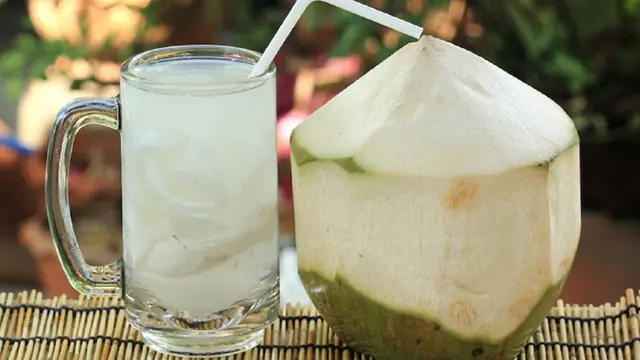
As healthy living trends continue to grow, coconut water is often viewed as a relatively pure “natural electrolyte drink.”


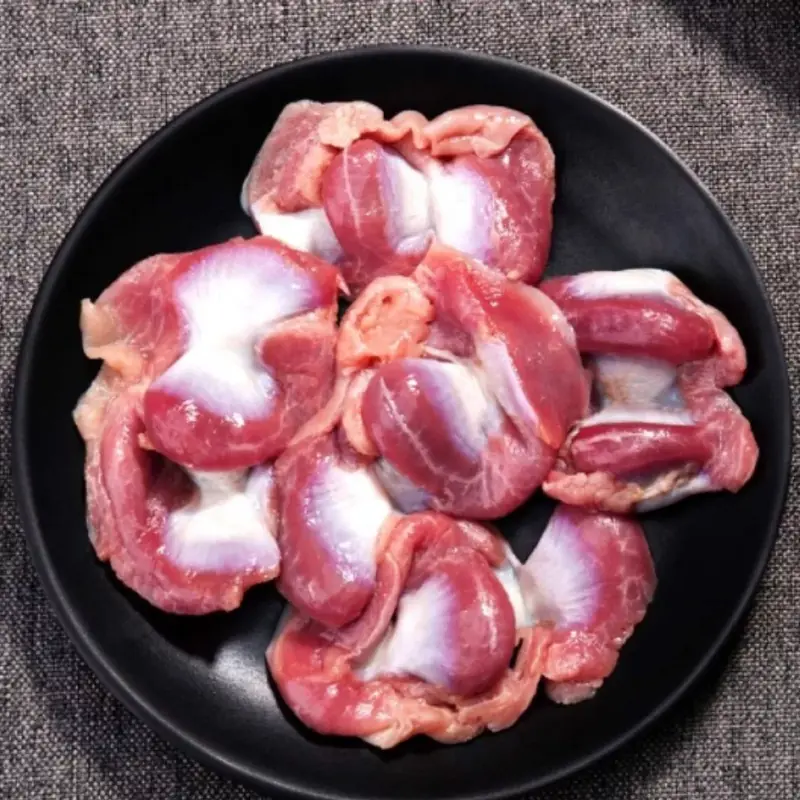
Chicken gizzards: the overlooked superfood packed with nutrients
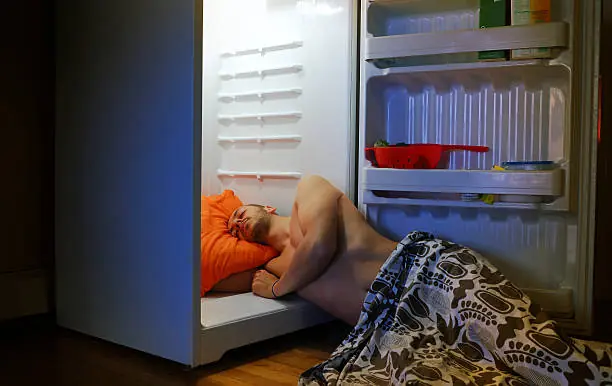





Often seen as a simple garnish or aromatic addition to meals, basil is far more than a flavorful herb.

I’m 73 Years Old. I Live Alone, But I Never Feel Lonely. My Top 4 Tips
After suffering from prolonged itching, a 37-year-old woman sought specialized medical examination and was diagnosed with infections from five different parasites
Consuming it incorrectly can transform this fruit into a silent threat to the liver.

“Who Cares Whose Apartment It Is? I’m the Man — That Means I Run Everything,” the Unemployed Husband Declared

“Now that’s a real man — he squeezed the chicken dry!” the mother-in-law was already celebrating her victory

“I’m the one buying the groceries, and this house is“I’m the one buying the groceries, and this house is mine—so pack up and get out.” I cut off my mother-in-law’s little performance mine—so pack up and get out.” I cut off my mother-in-l

“Stop spending money on yourself—our son needs to save up for a car!” my mother-in-law snapped, eyeing my manicure



As healthy living trends continue to grow, coconut water is often viewed as a relatively pure “natural electrolyte drink.”
Chicken gizzards: the overlooked superfood packed with nutrients