Warning: Pain in These 3 Spots Might Be a Sign of Lung Cancer
Pain is one of the body’s most basic warning systems. Most aches come from everyday causes—poor posture, muscle strain, or stress—and resolve on their own. But persistent, unexplained pain in certain areas can sometimes point to deeper issues that deserve attention.
Lung cancer, in particular, is known for being quiet in its early stages. Many people don’t experience classic lung symptoms at first. Instead, discomfort may appear in places that seem unrelated to the lungs.
This doesn’t mean that pain automatically equals cancer. It means patterns matter, and knowing where and how pain appears can help people seek evaluation sooner rather than later.


Why Lung Cancer Pain Can Appear Outside the Lungs
The lungs themselves have very few pain receptors. Pain often occurs when:
-
A tumor irritates surrounding tissues
-
Nerves are affected
-
Inflammation spreads to nearby structures
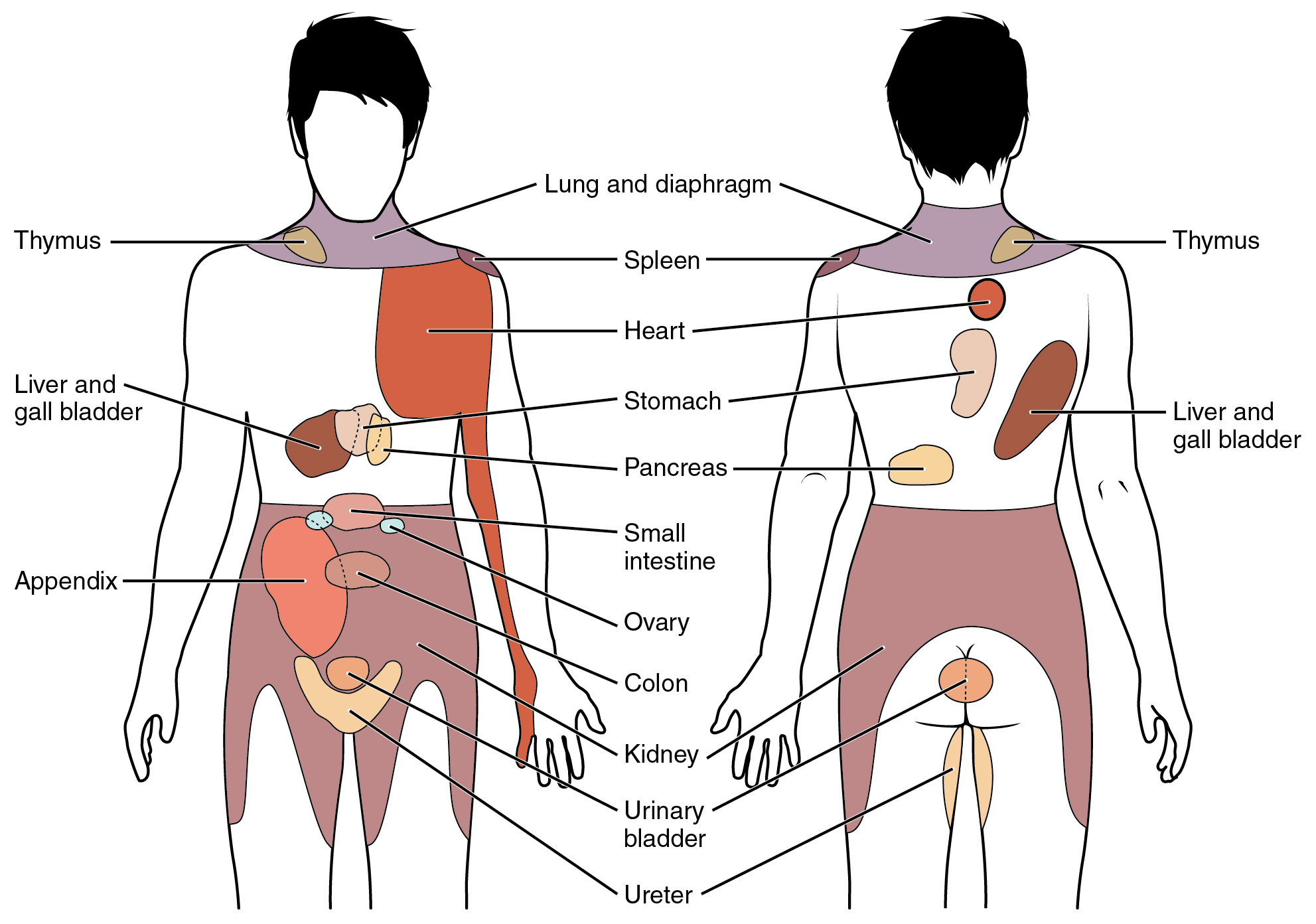
As a result, discomfort may show up away from the lungs, making it easier to misinterpret or ignore.
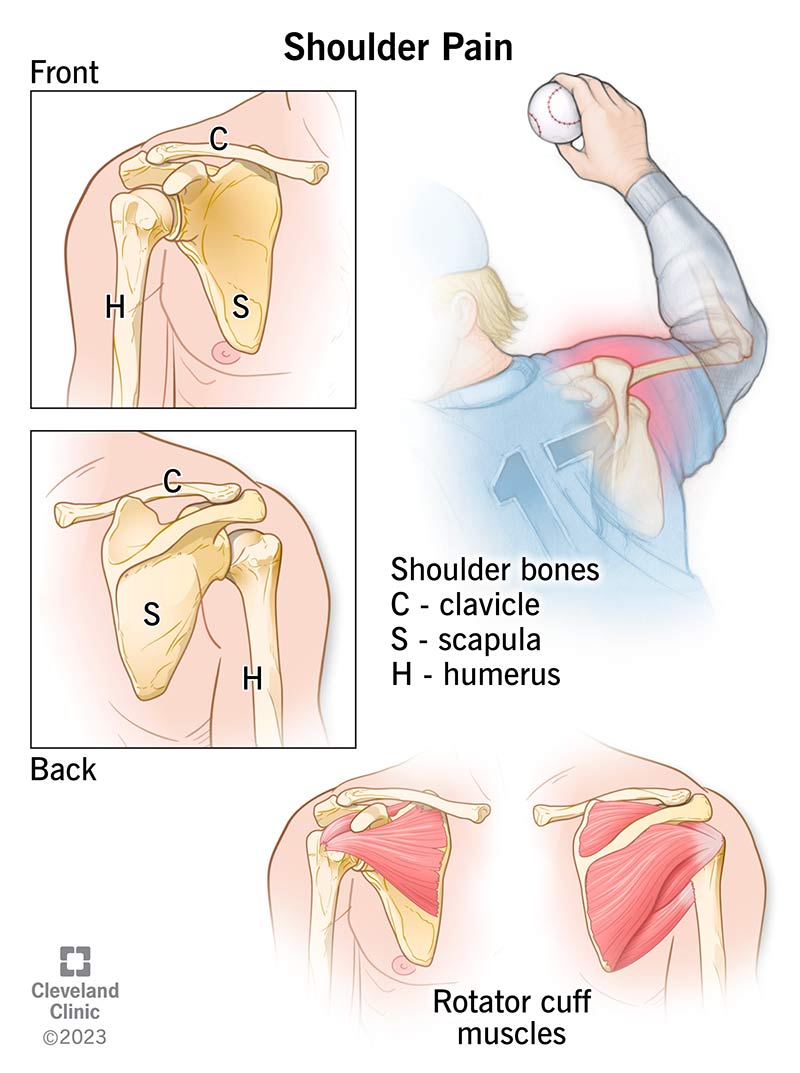
1. Shoulder and Upper Back Pain
Pain in the shoulder, upper back, or between the shoulder blades is one of the more commonly overlooked warning signs.
This type of pain may:
-
Feel deep or dull rather than sharp
-
Persist despite rest or stretching
-
Worsen over time without clear injury
In some cases, lung tumors—especially those located near the top of the lungs—can irritate nerves that travel to the shoulder and upper back area. Because this pain resembles muscle tension or posture-related strain, people often delay checking it.


2. Chest Pain That Doesn’t Go Away
Chest pain is commonly associated with heart or digestive problems, but it can also be related to lung conditions.
Lung-related chest pain may:
-
Feel tight, aching, or pressure-like
-
Increase when coughing, laughing, or breathing deeply
-
Be persistent rather than sudden
Unlike muscle soreness, this discomfort often doesn’t improve with rest or changes in position. Any ongoing chest pain—especially when paired with other symptoms—should be medically evaluated.
3. Arm, Neck, or Jaw Pain
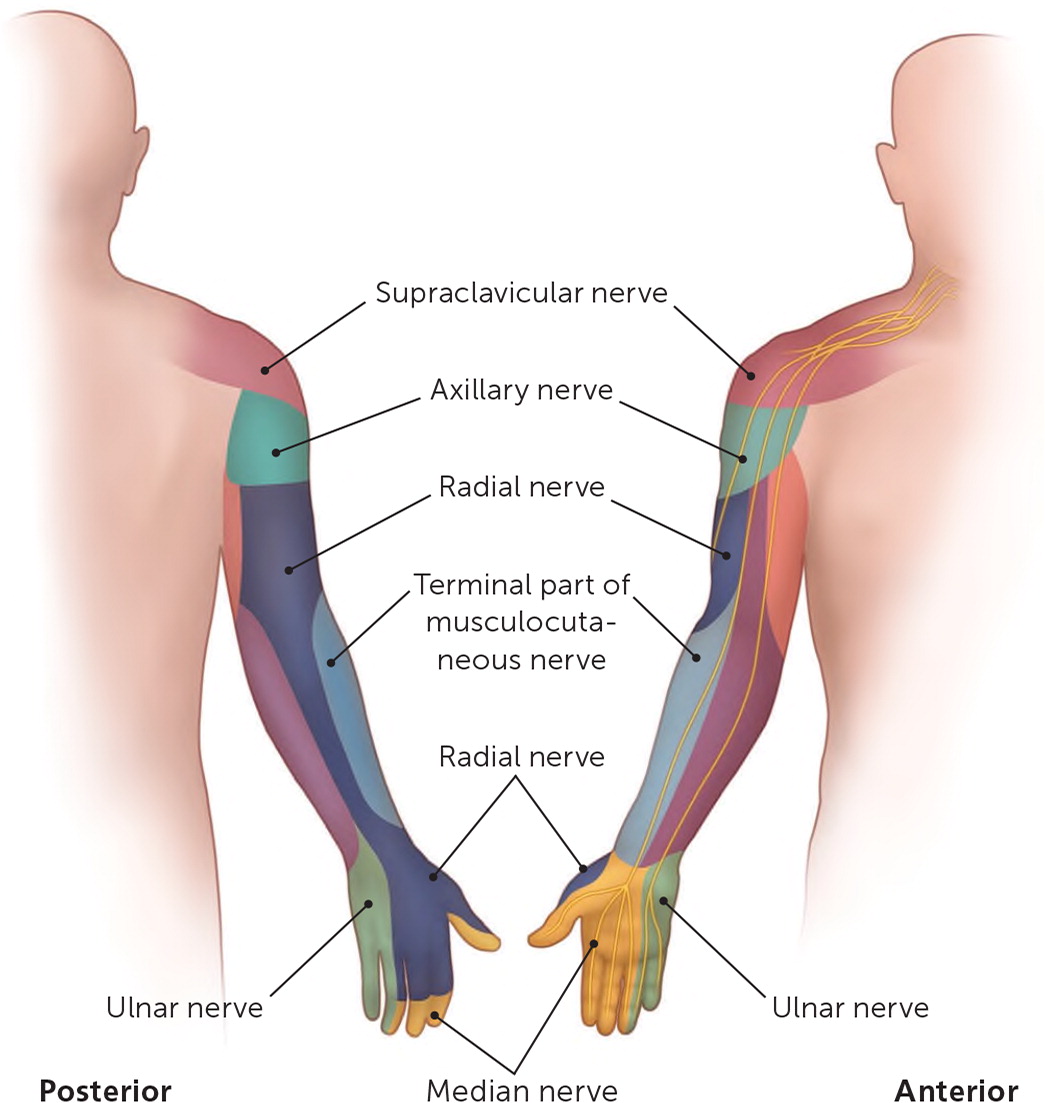
Pain that spreads to the arm, neck, or jaw is often associated with heart issues, but it can also occur when nerves connected to the lungs are affected.
This pain may:
-
Be subtle at first
-
Come and go
-
Gradually intensify over time
Because these areas are far from the lungs, the connection isn’t always obvious. Persistent or unexplained pain in these regions should not be dismissed, especially if there is no clear musculoskeletal cause.

When Pain Becomes More Concerning
Pain deserves closer attention when it is:
-
Persistent for weeks
-
Unexplained by injury or activity
-
Worsening over time
-
Accompanied by other symptoms
Additional signs that may appear alongside pain include:
-
Chronic cough
-
Shortness of breath
-
Unexplained weight loss
-
Fatigue
-
Hoarseness
The presence of multiple symptoms together increases the importance of medical evaluation.
Who Should Be Especially Alert
Higher-risk groups include:
-
Current or former smokers
-
People exposed to secondhand smoke
-
Individuals with long-term air pollution exposure
-
Those with a family history of lung disease
For these individuals, even mild or vague symptoms deserve attention.


What This Does—and Does Not—Mean
It’s important to be clear:
-
Pain alone does not diagnose lung cancer
-
Most pain has non-cancer causes
-
Awareness is not the same as fear
The goal of recognizing potential warning signs is early evaluation, not self-diagnosis.
Early medical assessment can:
-
Rule out serious causes
-
Identify issues when they are more treatable
-
Provide peace of mind
The Takeaway
The body often sends subtle signals long before serious illness becomes obvious. Persistent pain in the shoulder, chest, or upper body—especially when unexplained—deserves attention, not panic.
Ignoring symptoms doesn’t make them disappear.
Checking them early can change outcomes.
If something feels unusual, persistent, or wrong, listening to the body is a strength—not an overreaction.
Health awareness saves time.
Early action saves lives.