Up to Three Months Before a Heart Attack, the Body May Send These Warning Signs
Heart attacks rarely happen without context. In many cases, the body begins to send subtle warning signals weeks—or even months—before a major cardiac event occurs. The problem is that these signs are often misunderstood, dismissed, or attributed to stress, aging, or everyday fatigue.
Recognizing these early signals does not mean panic. It means awareness—and awareness saves lives.


Why Early Warning Signs Are Often Ignored
Many early heart-related symptoms do not feel dramatic. They can come and go, feel mild, or seem unrelated to the heart. People often assume:
-
“I’m just tired.”
-
“It’s indigestion.”
-
“I’m getting older.”
-
“It will pass.”
Unfortunately, this delay in attention can allow underlying heart problems to worsen silently.
1. Unusual Chest Discomfort (Not Always Sharp Pain)
Chest discomfort before a heart attack is not always sudden or severe.
It may feel like:
-
Pressure or tightness
-
A dull ache
-
Burning or heaviness
-
Discomfort that comes and goes
Some people experience it during physical activity, others at rest. Because it doesn’t always feel like “classic” chest pain, it’s often ignored.
Any recurring chest discomfort should be evaluated—especially if it’s new or worsening.
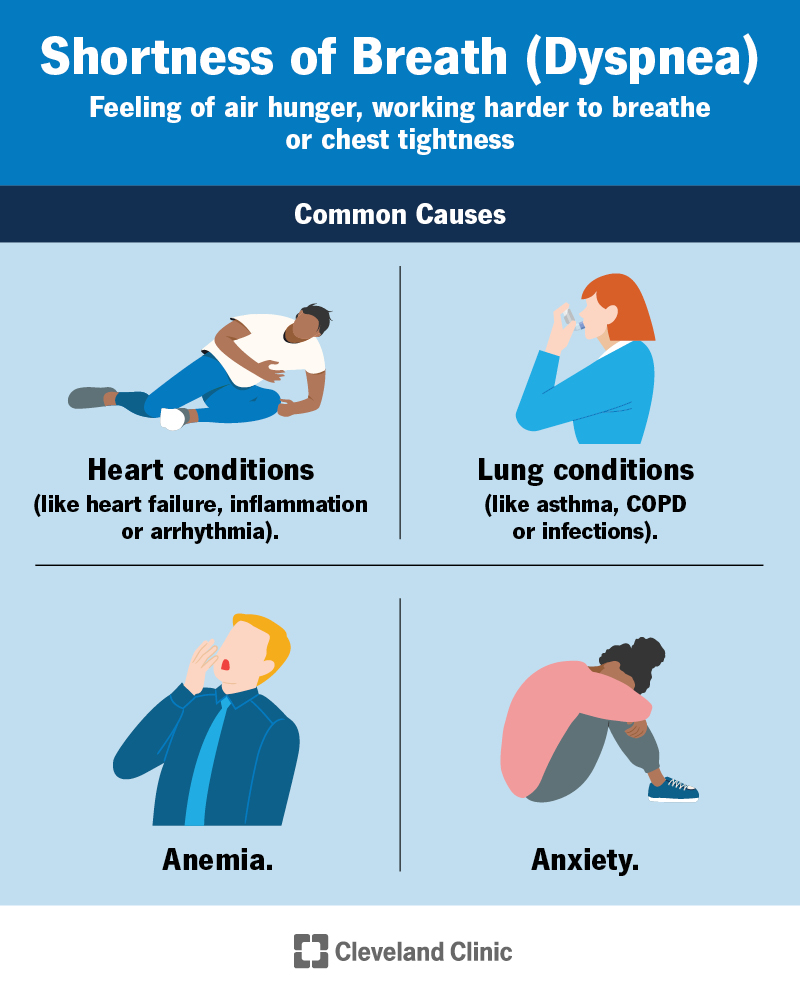
2. Shortness of Breath or Reduced Stamina
Feeling winded more easily than usual can be an early sign that the heart is struggling to pump blood efficiently.
This may appear as:
-
Difficulty climbing stairs
-
Needing to rest more often
-
Feeling breathless during normal activities
Shortness of breath can occur with or without chest pain, making it easy to misinterpret.

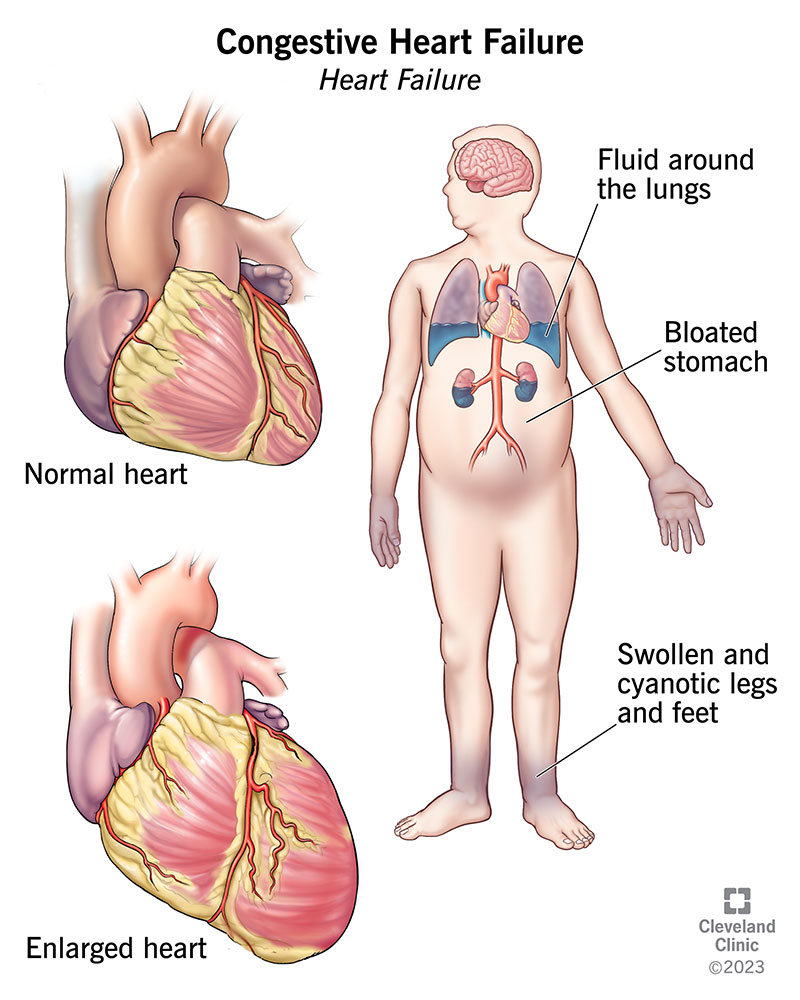
3. Swelling or Discoloration in the Legs and Feet
Changes in the legs can reflect circulation issues.
Possible signs include:
-
Swelling in the ankles or feet
-
Skin discoloration or visible veins
-
Persistent heaviness or aching in the legs
These symptoms may indicate reduced blood flow or strain on the heart and should not be ignored—especially when combined with other warning signs.
4. Extreme or Unexplained Fatigue
Feeling tired after a long day is normal. Feeling exhausted without a clear reason is not.
Warning fatigue may look like:
-
Waking up tired even after sleep
-
Needing frequent naps
-
Feeling drained by simple tasks
This type of fatigue is commonly reported weeks before a heart event, especially in women.


5. Digestive Discomfort or Nausea
Heart-related symptoms don’t always stay in the chest.
Some people experience:
-
Nausea
-
Indigestion
-
Stomach pressure
-
A feeling similar to acid reflux
Because these symptoms feel gastrointestinal, many people treat them with antacids instead of seeking medical advice.
Why These Signs Matter
A heart attack often results from progressive blockage or reduced blood flow, not a sudden, isolated event. Early warning signs may reflect:
-
Ongoing inflammation
-
Reduced oxygen delivery
-
Increased cardiac workload
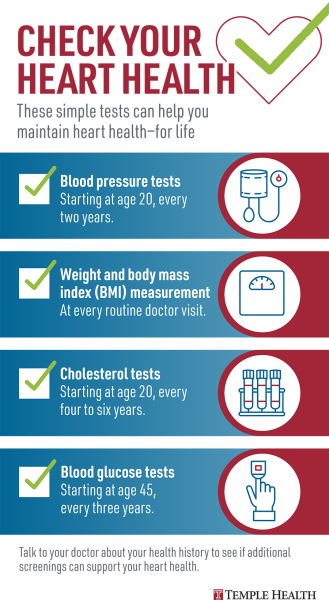
Addressing symptoms early allows for testing, lifestyle changes, and treatment before a crisis occurs.
Who Should Be Especially Alert?
Higher-risk individuals include:
-
People over 40
-
Those with high blood pressure or cholesterol
-
Smokers
-
People with diabetes
-
Individuals with a family history of heart disease
For these groups, even mild symptoms deserve attention.


What to Do If You Notice These Signs
-
Don’t ignore recurring or unusual symptoms
-
Track when and how symptoms appear
-
Seek medical evaluation early
-
Avoid self-diagnosing or dismissing symptoms
Early action doesn’t mean overreacting—it means being responsible.
The Takeaway
The body often whispers before it screams.
Up to months before a heart attack, warning signs may appear quietly—through fatigue, breathlessness, discomfort, or circulation changes. Listening early can make the difference between prevention and emergency.
Your heart doesn’t always announce trouble loudly.
That’s why attention, not fear, is the most powerful response.
If something feels off, trust that instinct—and get it checked.