4 Foods to Eat on an Empty Stomach in the Morning That May Support Digestion and Long-Term Healt
Eating on an Empty Stomach: 4 Morning Foods That Support Intestinal Health and Digestion
What you eat in the morning doesn’t just affect your energy levels—it also plays a critical role in how your digestive system functions throughout the day.
After hours of fasting overnight, the stomach and intestines are in a sensitive, receptive state. Certain foods, when eaten on an empty stomach, can help stimulate digestion, support gut movement, and promote a healthier intestinal environment. Others, when eaten too early, may irritate the stomach or slow digestion.
Let’s explore four foods commonly recommended for morning consumption, why they may help the intestines, and what they realistically can (and cannot) do for your health.
Why Morning Nutrition Matters for the Gut
During sleep, digestion slows down. When you wake up, your digestive tract needs gentle stimulation—not overload.
Eating the right foods in the morning may help:
-
Activate bowel movement
-
Support beneficial gut bacteria
-
Improve nutrient absorption later in the day
-
Reduce bloating and sluggish digestion
However, no food can “clean” the intestines in a literal sense. The body already has organs—the liver, kidneys, and colon—designed for detoxification. Morning foods simply support natural digestive processes, not replace them.
1. Warm Water with Lemon
Drinking warm water shortly after waking is one of the simplest habits for digestive health.
Adding lemon may help by:
-
Stimulating stomach acid production
-
Supporting bile flow
-
Encouraging bowel movement
Warm water is easier on the stomach than cold water and helps wake up the digestive tract gently.
How to use:
Drink 1 glass of warm (not hot) water with fresh lemon juice 15–20 minutes before eating.
2. Fresh Fruit Rich in Fiber (Papaya or Apple)
Fiber plays a key role in intestinal health. Fruits like papaya and apples are often recommended in the morning because they are:
-
Easy to digest
-
Rich in soluble and insoluble fiber
-
Naturally supportive of bowel regularity
Papaya contains enzymes that assist digestion, while apples provide pectin, a fiber that helps support gut movement.
Tip: Eat whole fruit instead of juice to retain fiber benefits.
3. Yogurt with Live Cultures (Unsweetened)
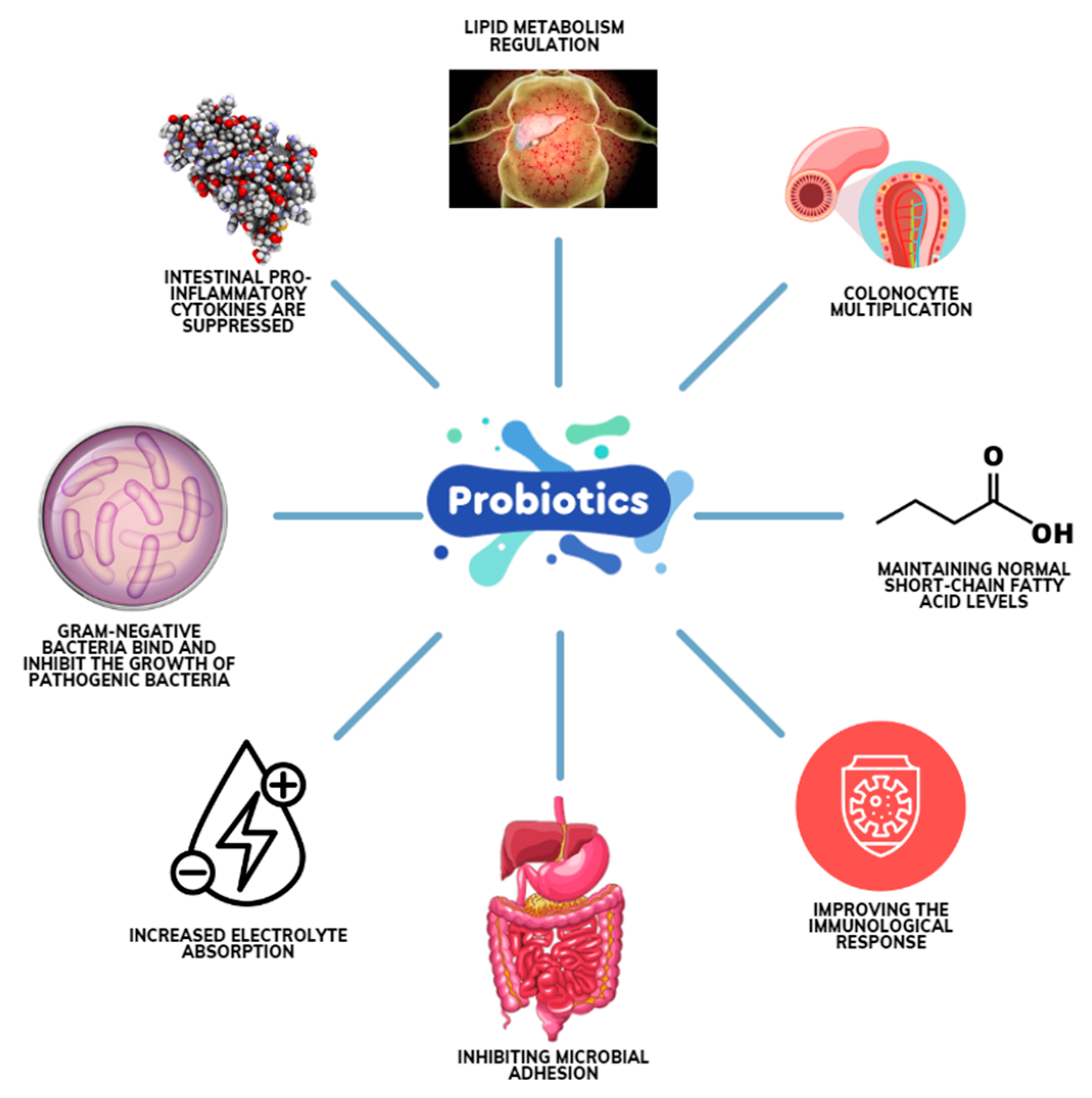
Unsweetened yogurt with live probiotics may help support a balanced gut microbiome.
Benefits include:
-
Introducing beneficial bacteria to the intestines
-
Supporting digestion of other foods later in the day
-
Helping maintain gut barrier health
Choose plain yogurt without added sugar. Excess sugar may feed harmful bacteria and counteract benefits.
4. Oats or Soaked Chia Seeds
Soluble fiber is especially helpful for intestinal function.
Oats and chia seeds may:
-
Support stool formation
-
Feed beneficial gut bacteria
-
Promote a feeling of fullness without irritation
Soaking chia seeds overnight makes them easier to digest and gentler on the stomach.
Simple option:
1 tablespoon of soaked chia seeds with water or yogurt.
What About “Preventing Cancer”?
Some online claims suggest that eating specific foods on an empty stomach can prevent cancer. This is misleading.
While a fiber-rich diet, healthy gut bacteria, and reduced inflammation are associated with lower risk of certain digestive diseases, no single food or routine can prevent cancer on its own.
Cancer prevention is influenced by:
-
Genetics
-
Overall diet patterns
-
Lifestyle habits
-
Environmental factors
-
Medical screening and early detection
Morning foods should be viewed as supportive habits, not protective guarantees.
Who Should Be Careful with Empty-Stomach Eating?
-
People with gastritis or acid reflux
-
Those with sensitive stomachs
-
Individuals with blood sugar issues
In these cases, eating too acidic or high-fiber foods immediately upon waking may cause discomfort. Listening to your body matters.
The Bottom Line
Eating the right foods on an empty stomach can:
-
Gently stimulate digestion
-
Support intestinal movement
-
Improve overall gut comfort
But it’s not about “cleaning” the intestines or preventing disease overnight.
Real digestive health comes from consistent, balanced habits—not shortcuts.
Your gut doesn’t need extreme solutions.
It needs care, patience, and nourishment—every day.
News in the same category


What Happens to Your Body After Drinking Coconut Water Daily for 30 Days?
As healthy living trends continue to grow, coconut water is often viewed as a relatively pure “natural electrolyte drink.”

Digital Sunlight: How Screen Light Exposure Is Reprogramming Your Sleep–Wake Cycle

The “Second Brain” Connection: How Gut Signals Influence Your Mood and Focus

Chicken Gizzards: The Nutrient-Packed Food That May Reduce Your Need for Supplements
Chicken gizzards: the overlooked superfood packed with nutrients

Temperature and Sleep: Why a Cooler Room Helps You Fall Asleep Faster

Nasal Breathing vs. Mouth Breathing: The Hidden Health Effects of How You Breathe

Chewing Speed and Satiety: Why Eating Slower Changes How Much You Eat

The Sensory Diet: How Managing Sound, Light, and Stimulation Protects Mental Energy

Hydration Timing Matters: Why When You Drink Water Is As Important As How Much

Posture Is More Than Appearance: How Your Sitting Habits Affect Breathing, Energy, and Brain Function

The Fiber Diversity Rule: Why Eating 30+ Plant Foods a Week Transforms Gut Health

Your Chronotype Matters More Than You Think: Why Working Against Your Body Clock Drains Your Health

Tooth Enamel: The Strongest Substance in Your Body — And Why It Still Needs Protection

The Science of Scent and Memory: Why Smells Trigger Powerful Recollections

Why Your Brain Uses So Much Energy: Understanding the 20% Power Demand

After divorce, what should women do if they "crave" their husband

Lung Can:c:er Isn’t Just a Lung Disease — It Can Hurt Your Whole Body

Heart Attacks Rarely Happen Suddenly — 5 Warning Signs That May Appear Up to 3 Months Earlier
News Post

“Who Cares Whose Apartment It Is? I’m the Man — That Means I Run Everything,” the Unemployed Husband Declared

“Now that’s a real man — he squeezed the chicken dry!” the mother-in-law was already celebrating her victory

“I’m the one buying the groceries, and this house is mine—so pack up and get out.” I cut off my mother-in-law’s little performance
“I’m the one buying the groceries, and this house is“I’m the one buying the groceries, and this house is mine—so pack up and get out.” I cut off my mother-in-law’s little performance mine—so pack up and get out.” I cut off my mother-in-l

“I Fired the Janitor for Stealing — The Next Morning, I Found Him Sitting in My Boss’s Chair.”

“Stop spending money on yourself—our son needs to save up for a car!” my mother-in-law snapped, eyeing my manicure

“The Little Girl at My Bakery Called Me ‘Mom’ — Then Showed Me a Photo That Shattered My Marriage.”

“My Husband Said He Was Working Night Shifts — So Why Did Our Dog Keep Sleeping Outside a Stranger’s Door?”

“I Thought I Was Marrying the Love of My Life — Until His Mother Handed Me a Contract at the Wedding Altar.”

Eye Strain in the Digital Age: How Screen Distance and Blink Rate Affect Vision Comfort

What Happens to Your Body After Drinking Coconut Water Daily for 30 Days?
As healthy living trends continue to grow, coconut water is often viewed as a relatively pure “natural electrolyte drink.”

Digital Sunlight: How Screen Light Exposure Is Reprogramming Your Sleep–Wake Cycle

The “Second Brain” Connection: How Gut Signals Influence Your Mood and Focus

Chicken Gizzards: The Nutrient-Packed Food That May Reduce Your Need for Supplements
Chicken gizzards: the overlooked superfood packed with nutrients

Temperature and Sleep: Why a Cooler Room Helps You Fall Asleep Faster

Nasal Breathing vs. Mouth Breathing: The Hidden Health Effects of How You Breathe

Chewing Speed and Satiety: Why Eating Slower Changes How Much You Eat

The Sensory Diet: How Managing Sound, Light, and Stimulation Protects Mental Energy

Hydration Timing Matters: Why When You Drink Water Is As Important As How Much

Posture Is More Than Appearance: How Your Sitting Habits Affect Breathing, Energy, and Brain Function