
Why should women proactively track their mens.trual cycle?
Understanding the body’s natural rhythm through menstrual cycle tracking is the first step for women to actively manage their reproductive health.
The menstrual cycle is a monthly hormonal process that prepares a woman’s body for possible pregnancy. A typical cycle lasts around 28 days and includes four phases: menstruation, the follicular phase, ovulation, and the luteal phase.
However, cycle length and patterns vary from person to person. Recording and monitoring your cycle over several months helps create a personal health profile, allowing women to recognize how lifestyle factors affect their bodies and identify physiological changes more clearly.
1. Practical benefits of understanding your body
Without tracking your cycle, you may passively endure uncomfortable symptoms without knowing how to manage them. By understanding your body’s patterns, you gain both physical and emotional health benefits.
Tracking helps predict when your next period will begin, allowing better preparation for work, travel, and personal care, and avoiding inconvenient or embarrassing situations.
Knowing your cycle also helps you understand mood and emotional shifts. Many women experience anxiety, irritability, or sensitivity before menstruation. Recognizing that these changes are hormone-related makes it easier to manage emotions and adopt appropriate relaxation strategies.
Most importantly, understanding your cycle supports reproductive health. Identifying ovulation helps couples plan for pregnancy more effectively or practice natural contraception if desired.
Additionally, tracking allows better planning of exercise and rest. During menstruation, when energy levels may drop, lighter workouts and more rest can support recovery and overall well-being.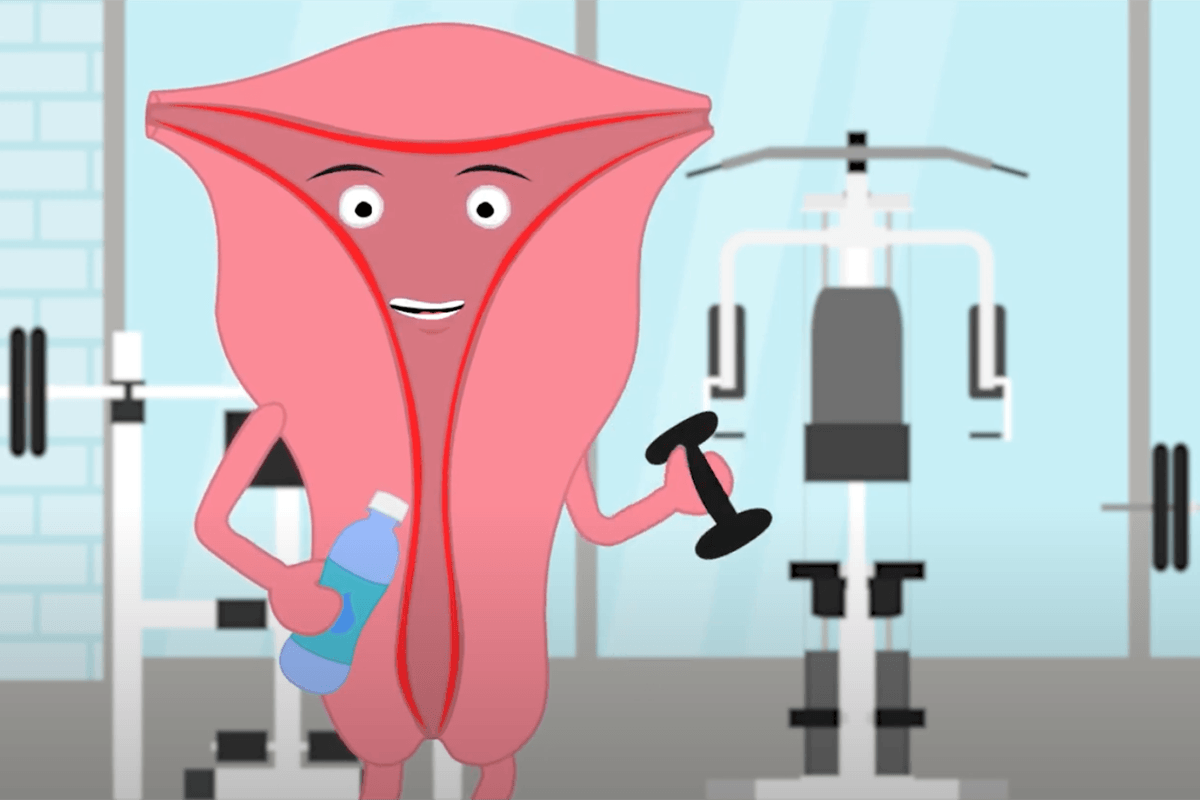
2. How to track your menstrual cycle
According to MSc. Dr. Tran Thu Nguyet from the Vietnam Institute of Applied Medicine, calculating your cycle accurately can be done through a simple process:
First, mark the first day of your period for the current month.
Next, track the first day of your next period and continue marking each cycle. The number of days between these dates represents your cycle length.
For meaningful health insights, this tracking should continue for at least three consecutive months. The more detailed your records, the easier it will be for doctors to provide support if health issues arise.
Beyond start and end dates, it is helpful to record accompanying symptoms throughout the cycle. Pay attention to physical signs such as bloating, cramps, headaches, and fatigue.
Sleep quality and emotional changes are also important indicators. For those who exercise regularly, noting workout performance can reveal how hormonal changes influence physical strength and endurance.
3. Managing irregular cycles
An irregular cycle occurs when the length, frequency, or flow of menstruation deviates from normal patterns. Causes may include stress, sudden weight changes, intense travel schedules, or medical conditions such as polycystic ovary syndrome (PCOS).
For women with irregular cycles, tracking becomes even more essential. Recorded data on bleeding patterns, pain levels, and unusual symptoms can provide important clinical evidence to help doctors identify underlying causes accurately.
4. Identifying the fertile window
For those planning to conceive, determining the fertile window is crucial. Ovulation typically occurs about 12–14 days before the next period begins.
In a regular 28-day cycle, ovulation often occurs around day 14. The most fertile period includes the five days before ovulation, the day of ovulation, and one day after. In this example, the highest chance of conception would fall between days 9 and 15 of the cycle.
More advanced indicators include basal body temperature, which usually rises slightly after ovulation, and changes in cervical mucus. Observing the color, quantity, and consistency of vaginal discharge can provide valuable information about ovulation and overall reproductive health.
5. Irregular menstruation as a health warning
Tracking at home allows you to be the first to detect abnormalities. You should seek medical attention promptly if you notice:
-
Sudden absence of menstruation or highly irregular cycles
-
Severe abdominal pain that does not subside
-
Unusual bleeding between periods or excessively heavy, prolonged bleeding
Menstrual tracking is not only about predicting periods—it is a powerful tool for understanding your body and protecting long-term health.