Mosquitoes are not only annoying but also carriers of many dangerous diseases such as dengue fever, encephalitis, and malaria. Instead of relying heavily on chemical mosquito sprays, many families today are choosing a more natural and safer solution: growing plants that help repel mosquitoes.
Below are three plants that are easy to grow and effective at keeping mosquitoes away, which you may want to consider placing in your home.
1. Lemongrass – A natural enemy of mosquitoes
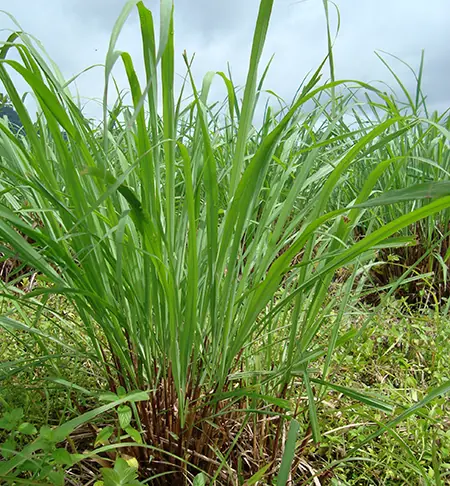
Lemongrass is a familiar ingredient in many Vietnamese kitchens, but not everyone knows that its essential oil is very effective at repelling mosquitoes. Lemongrass contains citronella, a compound commonly used to make mosquito-repellent candles and essential oils.
When grown in pots and placed on balconies, windowsills, or near doorways, the light fragrance from its leaves can significantly reduce the number of mosquitoes entering the house. During the summer—when mosquitoes breed rapidly—a few pots of lemongrass can act as a natural protective barrier.
Lemongrass is also easy to grow, resistant to pests, and does not require complicated care. With loose, well-drained soil and plenty of sunlight, the plant can thrive easily. In addition to repelling mosquitoes, lemongrass can also be used as a cooking ingredient or brewed into refreshing drinks.
2. Basil – A flavorful herb that also keeps mosquitoes away
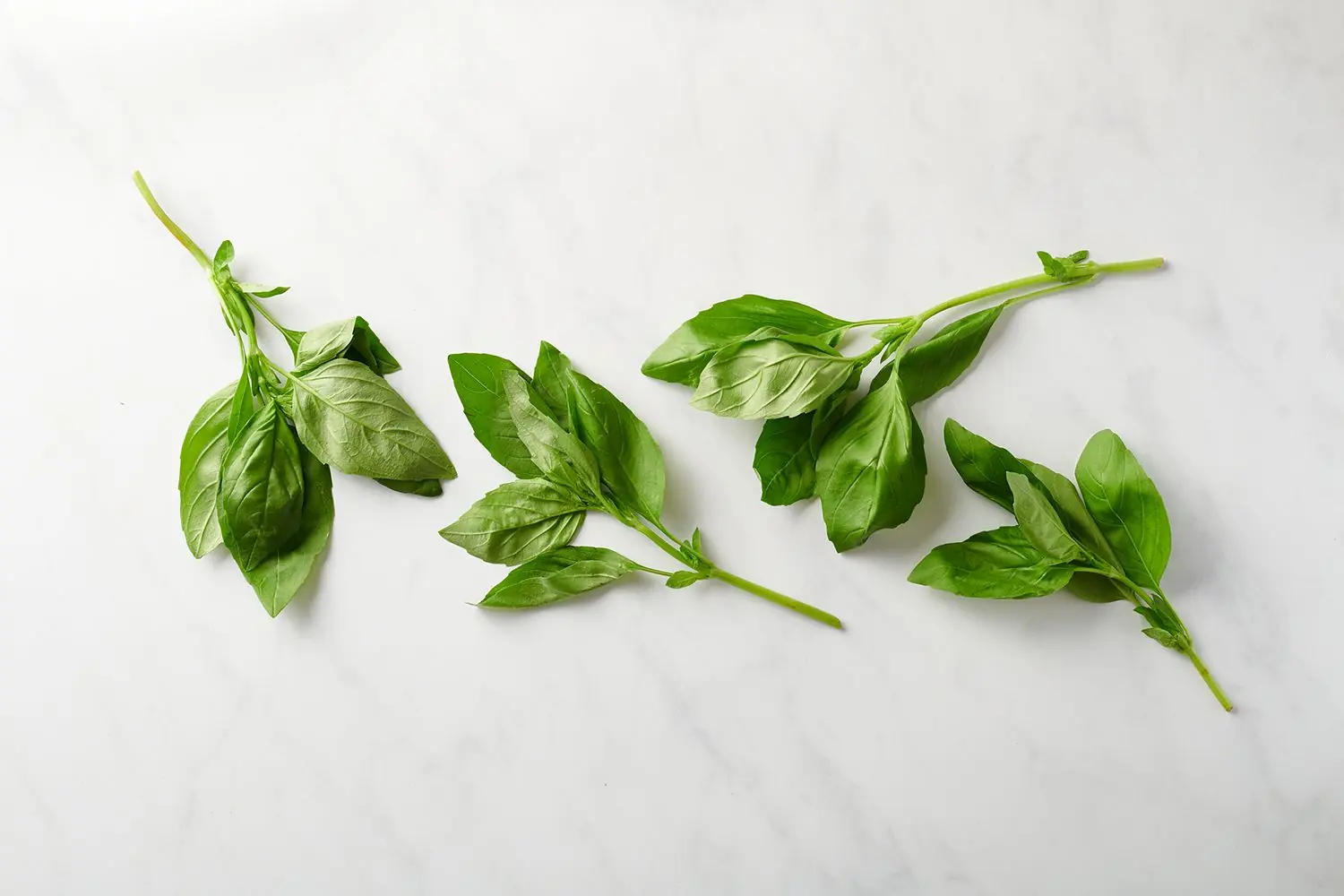
Basil is not only a popular aromatic herb but also has a scent that mosquitoes dislike. The natural essential oils in basil leaves can disrupt mosquitoes’ ability to locate targets, causing them to avoid areas where the plant is present.
You can grow basil in small pots and place them on windowsills, dining tables, or in the kitchen. When you gently rub the leaves, the fragrance spreads into the air, making the space smell pleasant while also discouraging mosquitoes.
Basil prefers sunlight and should be watered regularly, but not excessively to avoid root rot. After just a few weeks of care, you can have a healthy green plant that serves both as a culinary ingredient and a natural mosquito repellent.
This is an ideal option for families who want plants that serve multiple purposes: decoration, cooking, and health protection.
3. Mint – Fresh fragrance that mosquitoes avoid
Mint is well known for its cool, refreshing scent. This strong aroma is exactly what makes mosquitoes and many other insects stay away. Mint essential oil has long been used in room sprays, deodorizers, and insect-repellent products.
Growing mint indoors can make your living space feel fresher and more vibrant. You can place a pot of mint in the living room, on a work desk, or near a window. When a gentle breeze passes by, the scent spreads through the room and helps reduce the presence of mosquitoes.
Mint grows quickly and is easy to propagate from cuttings. It thrives in environments with indirect sunlight and moderately moist soil. Besides repelling mosquitoes, mint leaves can also be used to make tea, beverages, or various dishes.
Tips for growing mosquito-repelling plants indoors
Although these plants can help repel mosquitoes, they work best when combined with other preventive measures such as keeping your home clean, avoiding standing water, and installing mosquito screens.
When growing plants indoors, make sure they are placed in areas with enough light and ventilation so they can grow well. Avoid overwatering, which can create damp conditions and affect indoor air quality.
It is also helpful to trim the plants regularly to keep them healthy and to maximize the release of essential oils from their leaves.
Growing mosquito-repelling plants is a natural, safe, and eco-friendly solution. Lemongrass, basil, and mint not only help reduce mosquitoes but also create a greener and more pleasant living environment.
With just a few small pots placed in the right spots, you can help protect your family’s health without relying heavily on chemicals. Try it today to keep your home fresher and less attractive to mosquitoes, especially during hot and humid summer days.