Cooking oils are an essential part of daily meals. They influence not only the flavor and texture of food but also its nutritional value. Among the many types of oils available today, olive oil and vegetable oil are two of the most commonly used options in kitchens around the world.
Many people wonder which one is healthier and whether switching from one to the other could improve overall well-being. The answer depends on several factors, including nutritional composition, processing methods, cooking applications, and personal dietary needs.
Understanding the differences between these oils can help individuals make more informed choices when preparing meals.
What Is Olive Oil?
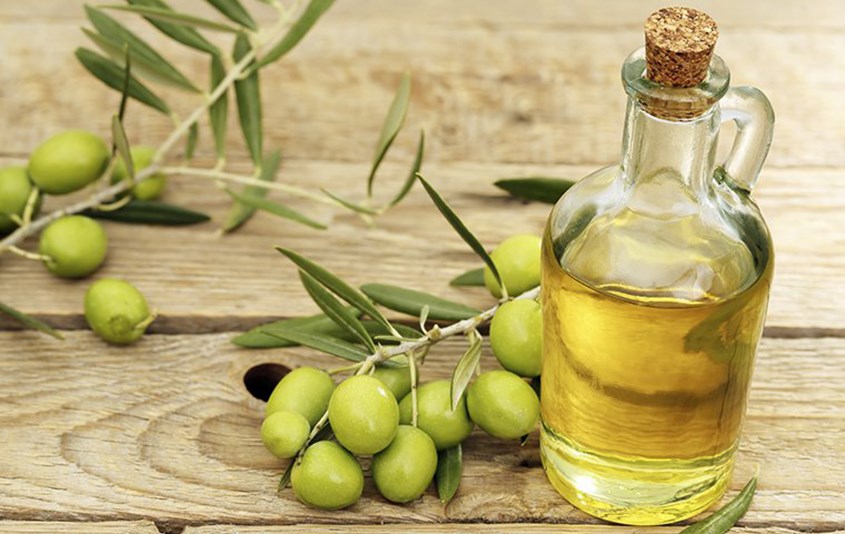
Olive oil is extracted from the fruit of the olive tree. It has been used for thousands of years, particularly in Mediterranean regions where it remains a staple ingredient in traditional diets.
There are several types of olive oil, but the most well-known include:
-
Extra virgin olive oil
-
Virgin olive oil
-
Refined olive oil
Among these, extra virgin olive oil is considered the highest quality. It is produced through mechanical pressing without chemical processing, which helps preserve many of its natural nutrients and antioxidants.
Olive oil is known for its distinctive flavor and is widely used in salad dressings, sautéing, and light cooking.
What Is Vegetable Oil?
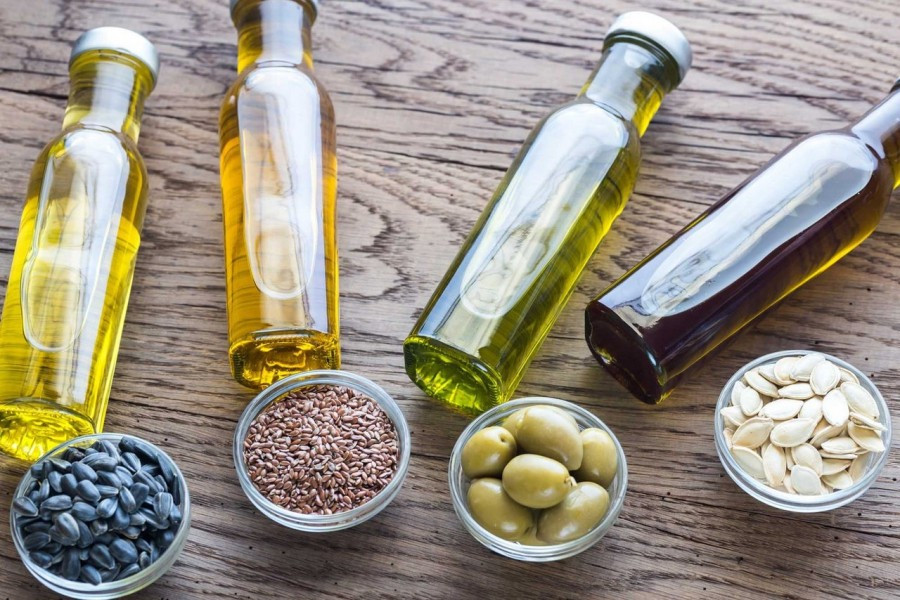
Vegetable oil is a broad category that refers to oils derived from various plant sources. Common examples include oils made from:
-
Soybeans
-
Corn
-
Sunflower seeds
-
Canola
-
Cottonseed
Unlike olive oil, many vegetable oils are produced through industrial refining processes. These processes may involve heat, chemical solvents, and deodorization to create a neutral flavor and longer shelf life.
Because of its mild taste and affordability, vegetable oil is frequently used for frying, baking, and large-scale food production.
Nutritional Differences
One of the main reasons olive oil is often praised in nutrition discussions is its fat composition.
Olive Oil
Olive oil is rich in monounsaturated fats, particularly oleic acid. Monounsaturated fats are considered beneficial for heart health when consumed in moderate amounts.
Olive oil also contains natural plant compounds such as:
-
Polyphenols
-
Antioxidants
-
Vitamin E
These substances help reduce oxidative stress and support overall health.
Vegetable Oil
Vegetable oils vary widely depending on the plant source, but many contain higher amounts of polyunsaturated fats, including omega-6 fatty acids.
Polyunsaturated fats are essential nutrients, but excessive intake of omega-6 relative to omega-3 fatty acids may contribute to inflammation in some cases.
Additionally, many vegetable oils undergo significant refining, which may reduce certain natural nutrients.
Processing Methods
The method used to produce cooking oil can affect its nutritional quality.
Olive Oil Processing
High-quality olive oil is often produced using cold pressing, a mechanical method that extracts oil without excessive heat. This process helps preserve beneficial compounds found in olives.
Extra virgin olive oil typically undergoes minimal processing compared to many other oils.
Vegetable Oil Processing
Many vegetable oils are produced through industrial refining. This process may involve:
-
High heat
-
Chemical solvents
-
Bleaching and deodorizing
These steps help create a consistent product with a neutral taste, but they may also reduce some naturally occurring nutrients.
Cooking Performance
Another factor to consider when comparing oils is how they perform at different cooking temperatures.
Olive Oil for Cooking
Olive oil works well for:
-
Light sautéing
-
Roasting
-
Salad dressings
-
Finishing dishes
Extra virgin olive oil has a moderate smoke point, meaning it should not be heated to extremely high temperatures for prolonged periods.
Vegetable Oil for Cooking
Vegetable oils generally have a higher smoke point, which makes them suitable for:
-
Deep frying
-
High-heat cooking
-
Baking
Their neutral flavor also makes them versatile in recipes where a strong taste is not desired.
Heart Health Considerations
Many studies have explored the relationship between dietary fats and cardiovascular health.
The Mediterranean diet, which includes olive oil as a primary fat source, has been associated with several potential health benefits. These may include improved cholesterol balance and reduced risk of certain heart-related conditions.
This does not mean vegetable oils are inherently unhealthy. Many vegetable oils also contain beneficial unsaturated fats. However, the overall balance of fats in a person’s diet remains important.
Flavor and Culinary Uses
Taste is another major difference between olive oil and vegetable oil.
Olive Oil
Olive oil has a distinctive flavor that can range from mild and buttery to bold and peppery. Because of this, it is often used to enhance dishes such as:
-
Salads
-
Pasta
-
Grilled vegetables
-
Mediterranean recipes
Vegetable Oil
Vegetable oil typically has a neutral flavor. This makes it suitable for recipes where the oil should not influence the taste of the dish, such as:
-
Baking
-
Frying
-
Processed foods

Environmental and Agricultural Factors
The environmental impact of oil production can also differ.
Olive oil production is often associated with traditional agriculture in Mediterranean regions, although large-scale production also exists.
Vegetable oils are produced from a variety of crops, some of which are grown in large industrial farming systems.
Sustainability can vary widely depending on farming practices, processing methods, and geographic location.
Moderation Is Key
Regardless of which oil someone chooses, moderation is important.
All cooking oils are high in calories because they consist primarily of fat. Excessive consumption of any oil can contribute to increased calorie intake.
A balanced diet typically includes a variety of healthy fats from different sources such as:
-
Nuts
-
Seeds
-
Avocados
-
Fish
-
Plant oils
Combining these foods in appropriate amounts supports overall nutrition.
Which Oil Is Healthier?
When comparing olive oil and vegetable oil, many nutrition experts suggest that extra virgin olive oil may offer certain advantages due to its high monounsaturated fat content and natural antioxidants.
However, vegetable oils can still be part of a healthy diet, especially when used in moderation and when choosing varieties with beneficial fatty acid profiles.
Ultimately, the healthiest choice depends on:
-
Cooking method
-
Personal dietary needs
-
Overall eating habits
Final Thoughts
Both olive oil and vegetable oil have their place in modern cooking. Olive oil is often praised for its nutritional benefits and rich flavor, particularly in Mediterranean-style diets. Vegetable oil, on the other hand, offers versatility and higher heat tolerance for certain cooking methods.
Rather than viewing one oil as entirely good and the other as entirely bad, the key lies in balance, quality, and mindful consumption.
By choosing high-quality oils and using them appropriately, individuals can enjoy flavorful meals while supporting a healthy lifestyle.