Electric kettles are among the most frequently used kitchen appliances. Fast, convenient, and energy-efficient compared to stovetop boiling, they have become a daily essential in many households. Whether making coffee, tea, instant noodles, or preparing hot water for cooking, the electric kettle is often switched on multiple times a day without much thought.
However, one small but common habit may be quietly increasing electricity consumption — and over time, that unnecessary usage adds up.
The Habit: Boiling More Water Than Needed
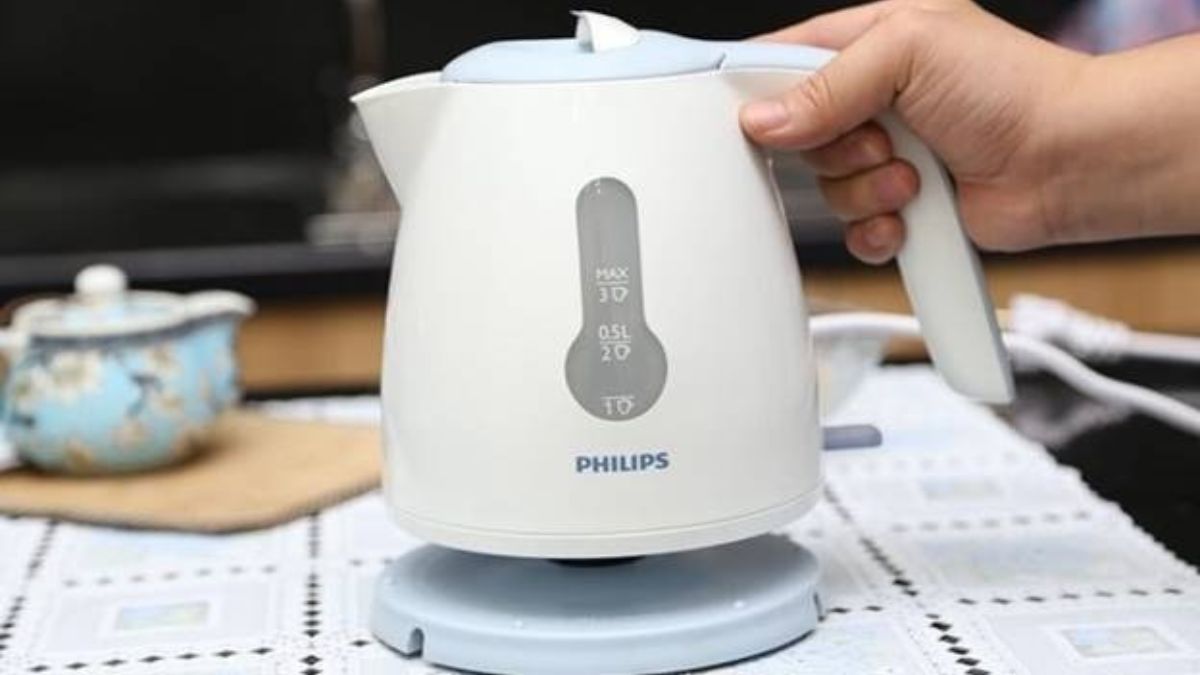
The most common energy-wasting mistake is simple: filling the kettle to the maximum level when only a small amount of hot water is required.
It seems harmless. After all, the kettle will shut off automatically once boiling is complete. But the physics behind heating water tells a different story.
Heating water requires energy. The more water you heat, the more electricity is consumed. If you consistently boil a full kettle for a single cup of tea, you are using significantly more energy than necessary.
Why It Matters: The Science Behind the Cost
Electric kettles typically operate between 1,500 and 3,000 watts. That means they draw a substantial amount of power while running.
To understand the impact, consider this:
-
Boiling 250 ml (one cup) of water requires far less energy than boiling 1.5 liters.
-
Heating excess water that will not be used is essentially wasting electricity.
-
Repeating this habit multiple times daily multiplies the cost over weeks and months.
Although a single boil may only add a few cents, repeated unnecessary boiling can noticeably increase household electricity consumption over time.
Small Waste, Big Accumulation
Many people underestimate the cumulative effect of small inefficiencies. Let’s break it down conceptually:
If someone boils a full kettle instead of one cup twice per day, that excess energy use compounds:
-
14 times per week
-
60 times per month
-
Over 700 times per year
Energy waste is rarely dramatic in a single instance. It becomes costly through repetition.
Another Overlooked Habit: Reboiling Water
Another common behavior is reboiling water that has already been heated earlier.
For example:
-
Boiling water in the morning
-
Leaving unused water in the kettle
-
Reboiling it later instead of heating only the needed amount
Each reheating cycle consumes additional electricity. While reheating small amounts may seem convenient, doing so multiple times daily increases power usage unnecessarily.
Limescale Build-Up Increases Energy Use
There is another factor many people ignore: limescale accumulation inside the kettle.
In areas with hard water, mineral deposits form along the heating element. This layer acts as insulation, meaning:
-
The heating element must work harder
-
Boiling takes longer
-
More electricity is consumed
Even a thin layer of limescale can reduce heating efficiency. Regular descaling not only extends the lifespan of the kettle but also improves energy performance.
Is an Electric Kettle Energy Efficient?
Compared to boiling water on a gas stove or electric cooktop, kettles are generally more efficient because:
-
They heat water directly
-
Heat loss is minimal
-
Automatic shutoff prevents overboiling
However, efficiency depends on usage habits. A highly efficient appliance used inefficiently can still waste energy.
How Much Does It Really Add to Your Bill?
The exact financial impact depends on:
-
Kettle wattage
-
Frequency of use
-
Local electricity rates
-
Volume of excess water boiled
While the increase may not double a power bill, it contributes to overall household consumption. When combined with other small inefficiencies — leaving lights on, standby power usage, inefficient appliances — the total effect becomes significant.
Energy savings often come from improving small daily habits rather than making drastic changes.
Smarter Ways to Use Your Electric Kettle
Reducing unnecessary electricity use does not require eliminating convenience. Instead, consider these practical adjustments:
1. Measure Before Boiling
Only fill the kettle with the amount of water needed. Many kettles have measurement markings for this purpose.
2. Avoid Habitual “Max Fill”
Unless preparing multiple servings, there is rarely a need to fill to the maximum line.
3. Descale Regularly
Use vinegar or a manufacturer-recommended solution to remove mineral buildup every few months.
4. Store Only What You Need
If leftover hot water is not required, empty it rather than reheating repeatedly.
5. Choose an Energy-Efficient Model
Modern kettles with insulated designs and rapid-boil features may reduce consumption.
The Psychology of Small Appliances
Small appliances often escape scrutiny because they feel insignificant compared to air conditioners, refrigerators, or water heaters. But frequent daily use can make them meaningful contributors to household energy patterns.
Electric kettles heat quickly — but that speed comes from high wattage power draw. The shorter run time does not eliminate the importance of mindful use.
A Broader Perspective on Energy Awareness
Energy conservation is not only about reducing bills. It also relates to environmental sustainability. Lower electricity consumption reduces demand on power plants and decreases carbon emissions in regions dependent on fossil fuels.
Mindful appliance use supports both financial savings and environmental responsibility.
Final Thoughts
The electric kettle remains one of the most convenient and relatively efficient kitchen tools available. It is not inherently wasteful. The issue lies in how it is used.
Consistently boiling more water than necessary, reheating repeatedly, or ignoring limescale buildup may seem minor. But over time, these habits can quietly increase electricity consumption and contribute to higher utility costs.
Small adjustments in daily routines can produce measurable savings across a year.
Efficiency is rarely about eliminating convenience — it is about using it wisely.