Tomatoes are everywhere - on your plate, in your sauces, and in countless everyday dishes. But behind this familiar fruit lies a surprisingly rich story filled with science, history, and unexpected health insights.
You might think you know tomatoes well… but these lesser-known facts might completely change how you see them.

🍅 1. Tomatoes Are Technically a Fruit (Not a Vegetable)
Botanically speaking, tomatoes are classified as a fruit because they develop from the ovary of a flower and contain seeds.
However, in cooking, they’re treated as vegetables because of their savory flavor.
Fun twist:
In the U.S., tomatoes were even legally classified as vegetables for taxation purposes in the 19th century.
🌿 2. They Were Once Considered Poisonous
In Europe during the 1700s, tomatoes were feared and called “poison apples.”
Why?
- Wealthy people ate them on pewter plates
- The acid from tomatoes reacted with the lead in the plates
- This caused poisoning—leading people to blame the tomatoes
It wasn’t the tomato—it was the plate.
❤️ 3. Tomatoes Are Packed with Lycopene
One of the most powerful compounds in tomatoes is lycopene, a strong antioxidant.
What it does:
- Helps protect cells from damage
- Supports heart health
- May reduce inflammation
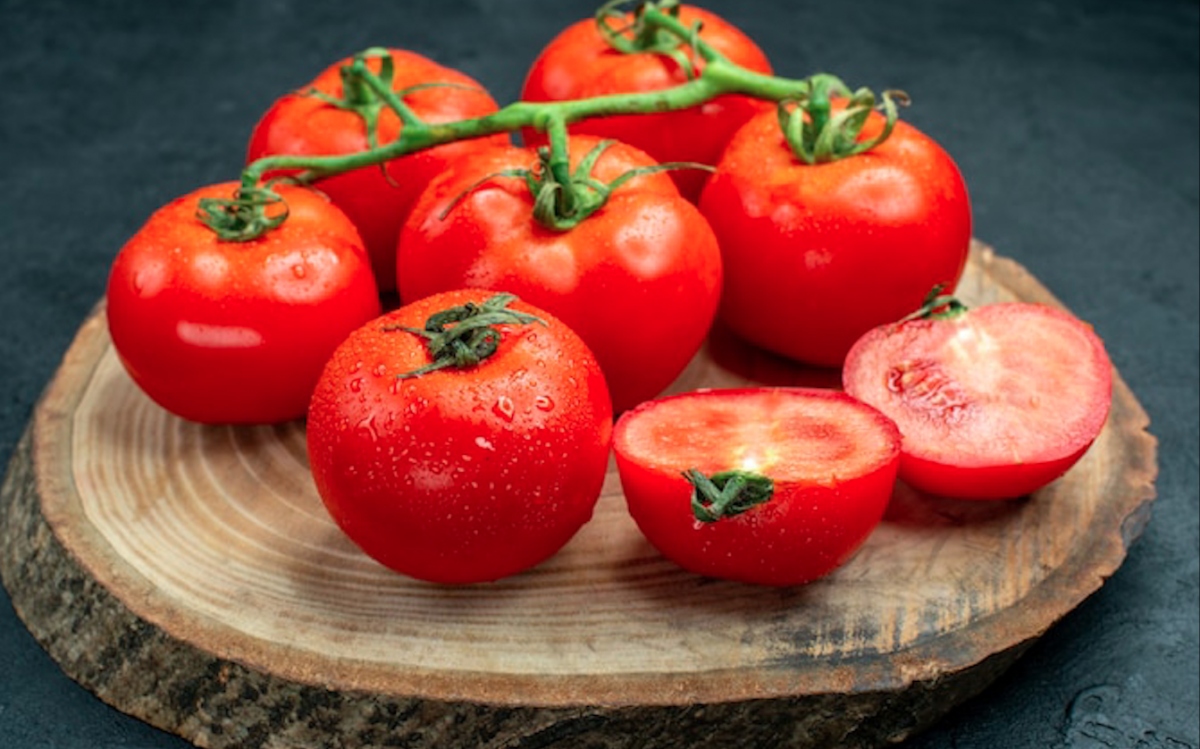
Interestingly, cooked tomatoes (like in sauces) often provide more absorbable lycopene than raw ones.
🔥 4. Cooking Tomatoes Can Make Them Healthier
Unlike many foods that lose nutrients when cooked, tomatoes actually become more beneficial in some ways.
When heated:
- Lycopene becomes easier for the body to absorb
- Antioxidant availability increases
So that pasta sauce? It’s doing more than just tasting good.
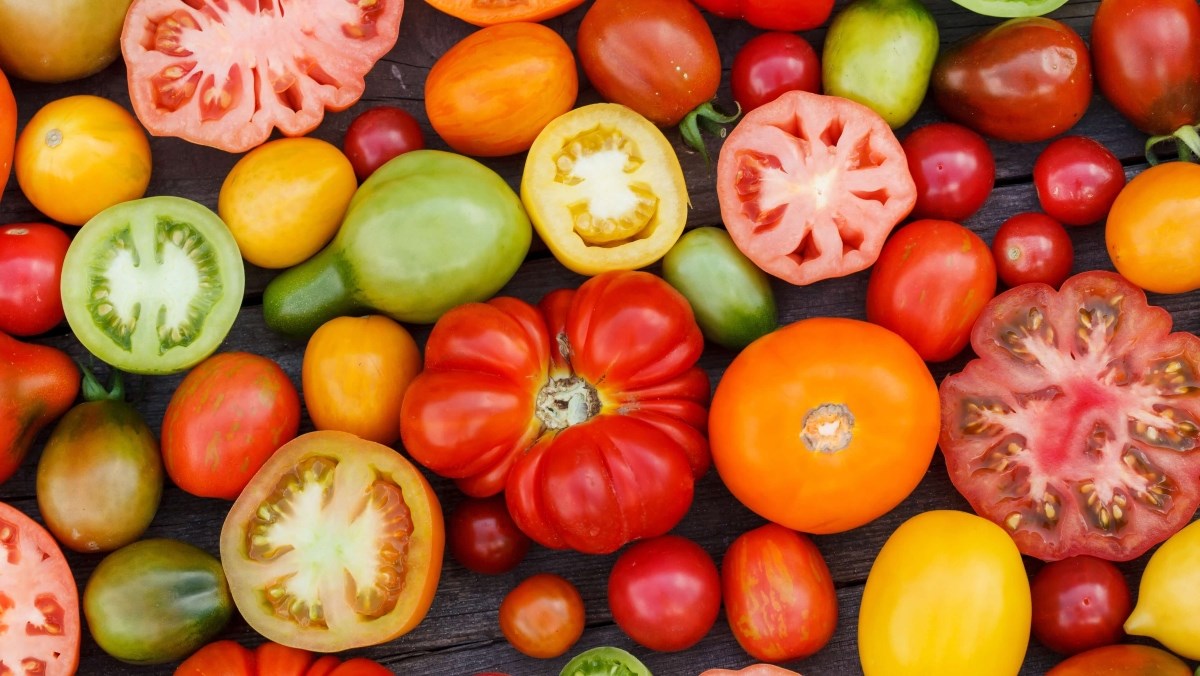
🌎 5. There Are Over 10,000 Varieties
Tomatoes come in a huge range of:
- Sizes
- Colors (red, yellow, green, purple, even black)
- Flavors (sweet, tangy, rich)
Each variety has slightly different nutrient profiles and uses in cooking.
🧠 6. They Can Support Brain Health
Thanks to their antioxidants, tomatoes may help protect brain cells from oxidative stress.
Over time, this may support:
- Memory
- Cognitive function
- Overall brain health
⚖️ 7. Tomatoes Are Low in Calories but High in Nutrients
A medium tomato contains:
- Very few calories
- A good amount of vitamin C
- Potassium and fiber
This makes them ideal for:
- Weight management
- Balanced diets
🛡️ 8. They May Support Skin Health
Lycopene doesn’t just help internally—it may also:
- Protect skin from sun damage
- Support a healthier complexion
It’s like a subtle internal skincare boost.
🌱 9. Tomatoes Release a Unique “Green” Scent
That fresh, slightly sharp smell when you cut a tomato?
It comes from natural compounds released when the fruit’s cells are broken. These compounds are part of the plant’s defense system.
🍽️ 10. Not Everyone Tolerates Tomatoes Well
Despite their benefits, tomatoes can cause issues for some people.
Possible reactions:
- Acid reflux
- Sensitivity to acidity
- Mild allergic responses
As always, individual tolerance matters.
💡 Final Thoughts
Tomatoes may seem ordinary, but they’re anything but simple. From their surprising history to their powerful nutrients, they offer far more than meets the eye.
The biggest takeaway? How you prepare and consume tomatoes can change their benefits.
Raw, cooked, fresh, or blended - each form offers something unique.
Sometimes, the most common foods are the ones with the most interesting stories… and the most hidden benefits.