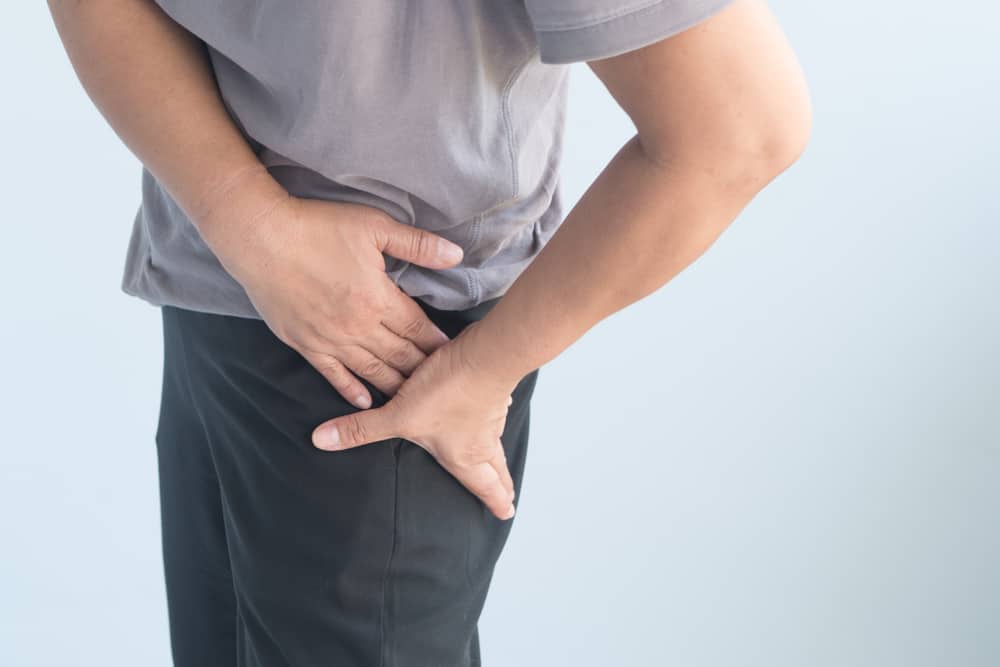
Hip pain can range from a mild annoyance to a serious limitation that affects how you walk, sit, or even sleep. Because the hip joint is one of the largest and most important joints in the body, any discomfort here can quickly impact your daily life.
The tricky part? Hip pain doesn’t always come from the hip itself. It can originate from muscles, nerves, or even the lower back. Understanding the cause is key to treating it properly.

🧠 Understanding the Hip Joint
The hip is a ball-and-socket joint, connecting the thigh bone (femur) to the pelvis. It supports body weight and allows a wide range of motion—walking, bending, rotating.
Because it handles so much нагрузка (load), it’s prone to wear, strain, and injury over time.
⚠️ Common Causes of Hip Pain
1. Muscle Strain or Overuse
One of the most common causes is simple overuse.
What happens:
- Muscles around the hip become overstretched or irritated
- Often caused by exercise, prolonged standing, or sudden movement
Signs:
- Dull, aching pain
- Worse with movement
2. Arthritis (Especially Osteoarthritis)
As you age, the cartilage that cushions the hip joint can wear down.
Result:
- Bones rub against each other
- Pain, stiffness, and reduced mobility
Common signs:
- Morning stiffness
- Pain that worsens with activity

3. Bursitis
Bursae are small fluid-filled sacs that reduce friction in joints. When they become inflamed, it leads to bursitis.
Symptoms:
- Sharp pain on the outside of the hip
- Pain when lying on the affected side
4. Tendinitis
Tendons around the hip can become inflamed due to repetitive motion.
Common in:
- Athletes
- People with repetitive physical activity
5. Sciatica (Nerve-Related Pain)
Sometimes the pain isn’t from the hip joint at all.
Cause:
- Compression of the sciatic nerve in the lower back
Signs:
- Pain radiating from lower back to hip and down the leg
- Tingling or numbness
6. Hip Labral Tear
The labrum is cartilage that stabilizes the hip joint.
When damaged:
- Causes clicking or locking sensation
- Pain during movement
7. Fractures or Injuries
Falls or trauma can lead to hip fractures, especially in older adults.
Signs:
- Sudden, severe pain
- Inability to stand or walk
8. Poor Posture or Sedentary Lifestyle
Sitting for long hours weakens hip muscles and tightens surrounding tissues.
Result:
- Stiffness
- Reduced flexibility
- Chronic discomfort
🚨 When Should You Be Concerned?
Not all hip pain is serious—but some signs should not be ignored.
Seek medical attention if:
- Pain lasts more than a few weeks
- You cannot bear weight on your leg
- There is swelling or redness
- Pain is severe or sudden
- You experience numbness or weakness
🛠️ What Your Body Is Trying to Tell You
Hip pain is often a signal that:
- Your muscles are overworked or imbalanced
- Your joints are under stress
- Your posture or movement habits need adjustment
Ignoring it can lead to chronic problems.
🛡️ How to Relieve and Prevent Hip Pain
1. Stay Active (But Smart)
Regular movement keeps joints flexible, but avoid overloading the hip.
2. Stretch and Strengthen
Focus on:
- Hip flexors
- Glutes
- Hamstrings
Balanced muscles reduce strain on the joint.
3. Improve Posture
- Avoid sitting too long
- Use ergonomic chairs
- Keep your spine aligned
4. Maintain a Healthy Weight
Less weight = less pressure on the hip joint.
5. Use Proper Footwear
Shoes with poor support can affect alignment and increase hip stress.
💡 Final Thoughts
Hip pain is common - but it’s never random. It’s your body’s way of telling you that something needs attention, whether it’s muscle imbalance, joint wear, or lifestyle habits.
The key is not to ignore it. Early awareness and small adjustments can prevent bigger problems later.
Because when your hips are healthy, everything from walking to standing and even living comfortably - becomes easier.