If you’ve been feeling constantly tired, wired but exhausted, or unable to recover even after rest, you may have come across the term “adrenal fatigue.” It’s widely used online to describe a cluster of symptoms linked to chronic stress and low energy.
However, it’s important to clarify: “adrenal fatigue” is not a recognized medical diagnosis. What people are often experiencing is a combination of stress-related fatigue, sleep disruption, lifestyle imbalance, or other underlying conditions.
That said, the symptoms are very real and there are effective, natural ways to support your body’s energy and recovery systems.
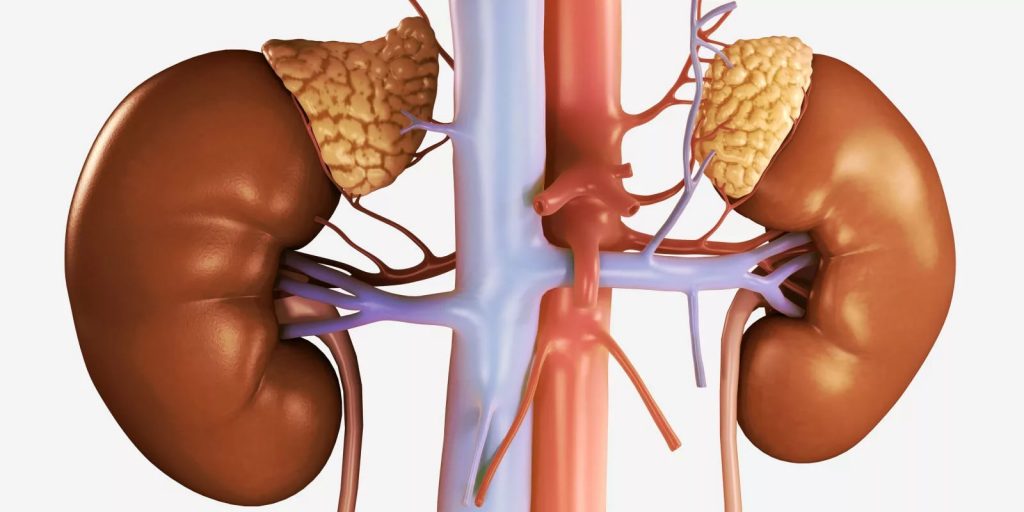
🧠 What People Mean by “Adrenal Fatigue”
The term is commonly used to describe symptoms like:
- Persistent fatigue
- Difficulty waking up
- Craving sugar or salty foods
- Brain fog
- Low motivation
- Feeling overwhelmed or burned out
These are often linked to chronic stress and dysregulation of the stress-response system (involving hormones like cortisol).
⚠️ What It’s Not
True adrenal disorders do exist - such as Addison's disease but they are rare and medically diagnosable.
Most people experiencing “adrenal fatigue” are actually dealing with:
- Chronic stress overload
- Poor sleep quality
- Nutritional imbalance
- Burnout
⚡ 17 Natural Approaches to Boost Energy and Recovery
🛌 1. Prioritize Deep, Consistent Sleep
Aim for 7–9 hours per night. Sleep is the foundation of hormone balance and recovery.
🌅 2. Get Morning Sunlight
Exposure to natural light helps regulate your circadian rhythm and improve energy levels.
🧘 3. Manage Stress Daily
Incorporate practices like:
- Meditation
- Deep breathing
- Mindfulness
Even 10 minutes a day can help.
🍽️ 4. Eat Balanced Meals
Include:
- Protein
- Healthy fats
- Complex carbs
Avoid relying on sugar for quick energy.
💧 5. Stay Hydrated
Dehydration can worsen fatigue and brain fog.
🏃 6. Move Your Body Regularly
Light to moderate exercise improves circulation and energy—avoid overtraining.
☕ 7. Limit Excess Caffeine
Too much caffeine can disrupt sleep and increase stress hormones.
🍫 8. Reduce Sugar Intake
Frequent sugar spikes lead to energy crashes and fatigue.
🧠 9. Take Mental Breaks
Constant stimulation (phones, work, stress) drains mental energy.
🌿 10. Consider Adaptogenic Herbs (With Guidance)
Some herbs like ashwagandha or rhodiola may help support stress response - but consult a professional first.

🧂 11. Maintain Electrolyte Balance
Sodium, potassium, and magnesium are important for energy and nerve function.
💤 12. Create a Wind-Down Routine
Reduce screen time and stimulation before bed.
🧍 13. Fix Your Daily Rhythm
Eat, sleep, and wake at consistent times to stabilize your internal clock.
🎯 14. Set Realistic Expectations
Overloading yourself leads to burnout. Learn to pace your energy.
🌳 15. Spend Time Outdoors
Nature exposure can reduce stress and improve mental clarity.
🧩 16. Address Underlying Health Issues
Fatigue can also be linked to:
- Thyroid imbalance
- Vitamin deficiencies
- Chronic conditions
❤️ 17. Listen to Your Body
Fatigue is feedback—not weakness. Adjust your lifestyle accordingly.
🚨 When to Seek Medical Advice
If fatigue is severe or persistent, consider professional evaluation—especially if you experience:
- Unexplained weight changes
- Dizziness or fainting
- Ongoing sleep problems
- Persistent low mood

💡 Final Thoughts
“Adrenal fatigue” may not be a formal diagnosis, but the experience behind it - chronic exhaustion and burnout - is very real.
The solution isn’t a quick fix. It’s about restoring balance:
- Better sleep
- Smarter habits
- Lower stress
- Consistent routines
Your body is not broken - it’s overloaded. And with the right support, it can recover.
Sometimes, the most powerful way to boost energy isn’t to push harder - but to recover smarter.