Bladder cancer often develops quietly. In its early stages, symptoms can be subtle, intermittent, and easy to dismiss as common urinary issues. That’s why many people overlook the warning signs until the condition has progressed.
Understanding these early signals and knowing when they matter - can make a significant difference in early detection and treatment outcomes.
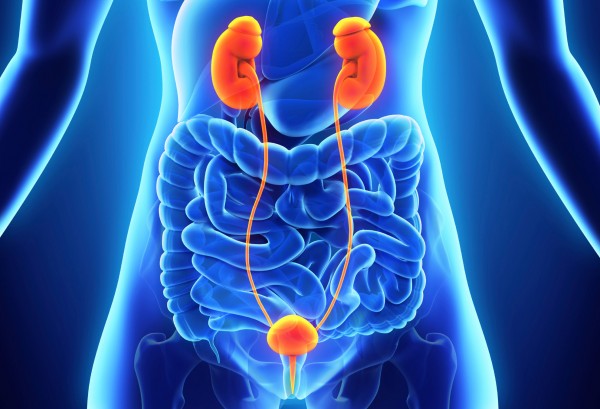
🧠 Why Early Signs Are Often Missed
The bladder is part of the urinary system, so early symptoms often resemble everyday problems like:
- Urinary tract infections (UTIs)
- Dehydration
- Mild irritation
Because of this overlap, many people delay seeking medical advice.
⚠️ 1. Blood in the Urine (Hematuria)
This is the most common early sign—but also one of the most overlooked.
What it may look like:
- Pink, red, or cola-colored urine
- Sometimes visible, sometimes only detected in tests
Important detail:
It may come and go, which makes people think it’s temporary or harmless.
Even a single episode should not be ignored.
⚠️ 2. Frequent Urination
Needing to urinate more often than usual—especially without increased fluid intake—can be an early warning sign.
People often assume:
- It’s due to drinking more water
- It’s a minor bladder irritation
But persistent changes in frequency deserve attention.
⚠️ 3. Urgency Without Much Output
A sudden, strong urge to urinate—even when the bladder isn’t full—can indicate irritation or abnormal changes in the bladder lining.

⚠️ 4. Pain or Burning During Urination
This symptom is often mistaken for a UTI.
Key difference:
- If symptoms persist or recur without infection, further evaluation is needed
⚠️ 5. Feeling Like the Bladder Isn’t Empty
Some people experience a sensation of incomplete emptying after urination.
This may signal that something is affecting normal bladder function.
⚠️ 6. Lower Abdominal or Pelvic Discomfort
Mild discomfort or pressure in the lower abdomen is easy to ignore.
But when persistent, it may indicate deeper issues.
⚠️ 7. Back Pain (Later Early Sign)
Pain in the lower back—especially on one side—can sometimes be related to urinary system problems.
While less common in early stages, it’s still worth noting if combined with other symptoms.
🚨 When Should You Take Action?
You should seek medical evaluation if:
- You notice blood in your urine (even once)
- Urinary symptoms persist for more than a few weeks
- Symptoms come and go repeatedly
- There’s no clear explanation (like infection)
Early detection significantly improves treatment success.
🧠 Why Ignoring Symptoms Is Risky
Bladder cancer is more treatable when caught early. When symptoms are dismissed:
- Diagnosis may be delayed
- The condition may progress silently
- Treatment may become more complex
🛡️ Who Is at Higher Risk?
Certain factors increase risk:
- Smoking (major risk factor)
- Exposure to certain chemicals
- Age (more common in older adults)
- Chronic bladder irritation
Knowing your risk can help you stay more alert to symptoms.

💡 Final Thoughts
The early signs of bladder cancer are not always dramatic - they’re often subtle, inconsistent, and easy to overlook. That’s exactly what makes them dangerous.
The key isn’t panic - it’s awareness. Paying attention to changes in your body, especially urinary habits, can help you catch problems early.
If something feels unusual or persistent, it’s always better to check than to assume. Because when it comes to health, noticing the small signs early can make the biggest difference later.