A weekly foot soak with diluted vinegar is a low-cost, low-effort habit that many people use to manage everyday foot issues. Vinegar—especially apple cider vinegar - contains acetic acid, which has mild antimicrobial and keratolytic (softening) properties. Used correctly, it can help with odor control, skin texture, and certain minor irritations.
Important: this is supportive care, not a cure for serious conditions. If symptoms are severe, persistent, or worsening, seek medical advice.
How to Do It Safely

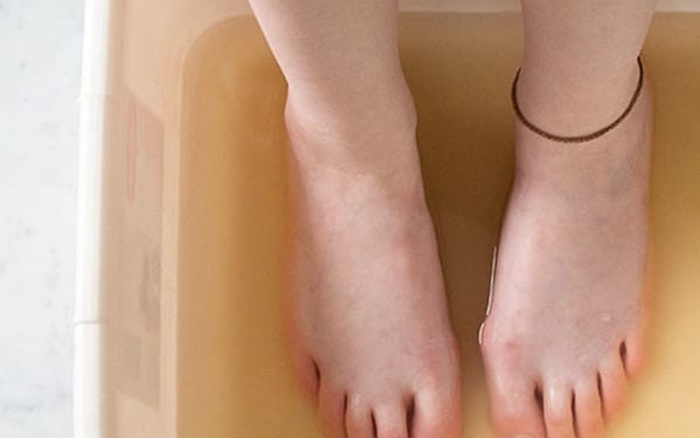
Basic method
- Mix 1 part vinegar : 2–3 parts warm water
- Soak feet for 10–20 minutes
- Rinse, pat dry (especially between toes), and moisturize
Frequency: 1–2 times per week
Avoid if: you have open wounds, severe cracks, or very sensitive skin (it may sting).
1. Foot Odor
Why it helps
Vinegar’s acidity inhibits odor-causing bacteria.
Result
Reduced smell, especially for people with sweaty feet.
2. Athlete’s Foot (Mild Cases)
Linked to Athlete's Foot (tinea pedis).
Why it helps
Creates a less favorable environment for fungi.
Note
Works best for mild cases; antifungal medication may still be needed.
3. Dry, Rough Skin
Mechanism
Acetic acid gently softens dead skin, making it easier to slough off.
Tip
Follow with a moisturizer (e.g., urea or glycerin-based) after soaking.
4. Calluses
Effect
Softens thickened skin, making mechanical removal (pumice/foot file) safer and more effective.
5. Minor Itching and Irritation
Why it works
Helps rebalance surface microbes and may calm mild irritation.
Caution
If itching is intense or persistent, rule out infection or dermatitis.

6. Cracked Heels (Mild)
Benefit
Softens hardened edges of cracks.
Important
Seal in moisture afterward; deep fissures need medical care.
7. Nail Discoloration (Surface-Level)
Possible help
Can improve appearance if discoloration is superficial.
Limit
Does not treat established fungal nail infections.
8. Excess Sweating (Mild)
Mechanism
Acidic environment may reduce bacterial load and help manage odor linked to sweat.
9. General Foot Hygiene
Outcome
Cleaner-feeling feet, reduced buildup, and improved comfort after long days.
What It Won’t Do
- Cure advanced fungal infections
- Fix structural nail problems
- Replace prescription treatments
- Heal deep cracks or wounds
When to See a Professional
Seek medical advice if you have:
- Persistent redness, swelling, or pain
- Thickened, brittle nails (possible fungal infection)
- Deep heel fissures
- Diabetes or poor circulation (extra caution with foot care)
Practical Tips for Better Results
- Dry thoroughly - moisture between toes promotes fungus
- Rotate shoes; let them air out
- Choose breathable socks (cotton or moisture-wicking)
- Disinfect or replace old insoles if odor persists
Final Take
A weekly vinegar foot soak is a simple maintenance habit that can help with odor, mild fungal issues, and rough skin. It’s not a cure-all, but when combined with good hygiene and proper footwear, it can noticeably improve everyday foot comfort.
Small, consistent care beats occasional, aggressive fixes - especially for your feet, which carry you all day.
Vinegar Foot Soaks: More Benefits, Better Foot Care Habits, and Important Safety Tips
10. Why Foot Hygiene Matters More Than You Think
Your feet work hard every day. They support your body weight, help you maintain balance, and carry you through countless daily activities. Yet foot care is often overlooked until an unpleasant odor, rough skin, itching, or discomfort becomes impossible to ignore.
The skin on your feet has unique characteristics. It experiences friction from walking, pressure from standing, and prolonged contact with socks and shoes. Shoes can also trap warmth and moisture, creating conditions that encourage bacteria and fungi to grow.
A simple foot-care routine can help maintain skin comfort and reduce some common hygiene problems. For some people, a diluted vinegar soak may be an occasional addition to that routine. However, it is important to understand that vinegar is not necessary for healthy feet, and ordinary washing and careful drying are often sufficient.
How Vinegar Fits Into a Foot-Care Routine
Vinegar contains acetic acid, which has antimicrobial activity under certain conditions. This has led to interest in using diluted vinegar for foot odor and other minor skin concerns.
However, laboratory antimicrobial effects do not automatically translate into reliable treatment in people. The concentration required to affect microorganisms may also irritate or damage human skin, particularly when the skin barrier is already compromised.
For that reason, vinegar should be viewed as an optional home-care measure rather than a proven treatment for infections.
The foundation of good foot hygiene remains straightforward:
-
Wash your feet regularly with mild soap and water.
-
Dry your feet carefully, including the spaces between your toes.
-
Change socks whenever they become damp.
-
Allow shoes to dry thoroughly between uses.
-
Keep toenails clean and trim them carefully.
-
Check your feet for blisters, cracks, redness, or other changes.
These simple habits can make a meaningful difference without requiring expensive products or complicated treatments.
11. Understanding Foot Odor: Is It Really Caused by Sweat?
Foot odor is common, particularly after a long day in closed shoes. Although sweat often contributes to the problem, sweat itself is usually not the main source of the unpleasant smell.