Fruit is often misunderstood when it comes to blood sugar. Because it contains natural sugars, many people assume it should be avoided - especially if they are trying to manage glucose levels. In reality, many fruits can actually support stable blood sugar when chosen and eaten correctly.
The key lies in fiber, antioxidants, and how quickly a fruit raises blood glucose (glycemic impact). Let’s explore which fruits can help and how they work in your body.
🧠 How Fruit Affects Blood Sugar
Not all fruits behave the same way.
What matters most:
- Fiber content (slows sugar absorption)
- Glycemic index (GI) (how fast sugar enters the bloodstream)
- Portion size
Fruits with higher fiber and lower GI tend to be better for maintaining stable blood sugar.
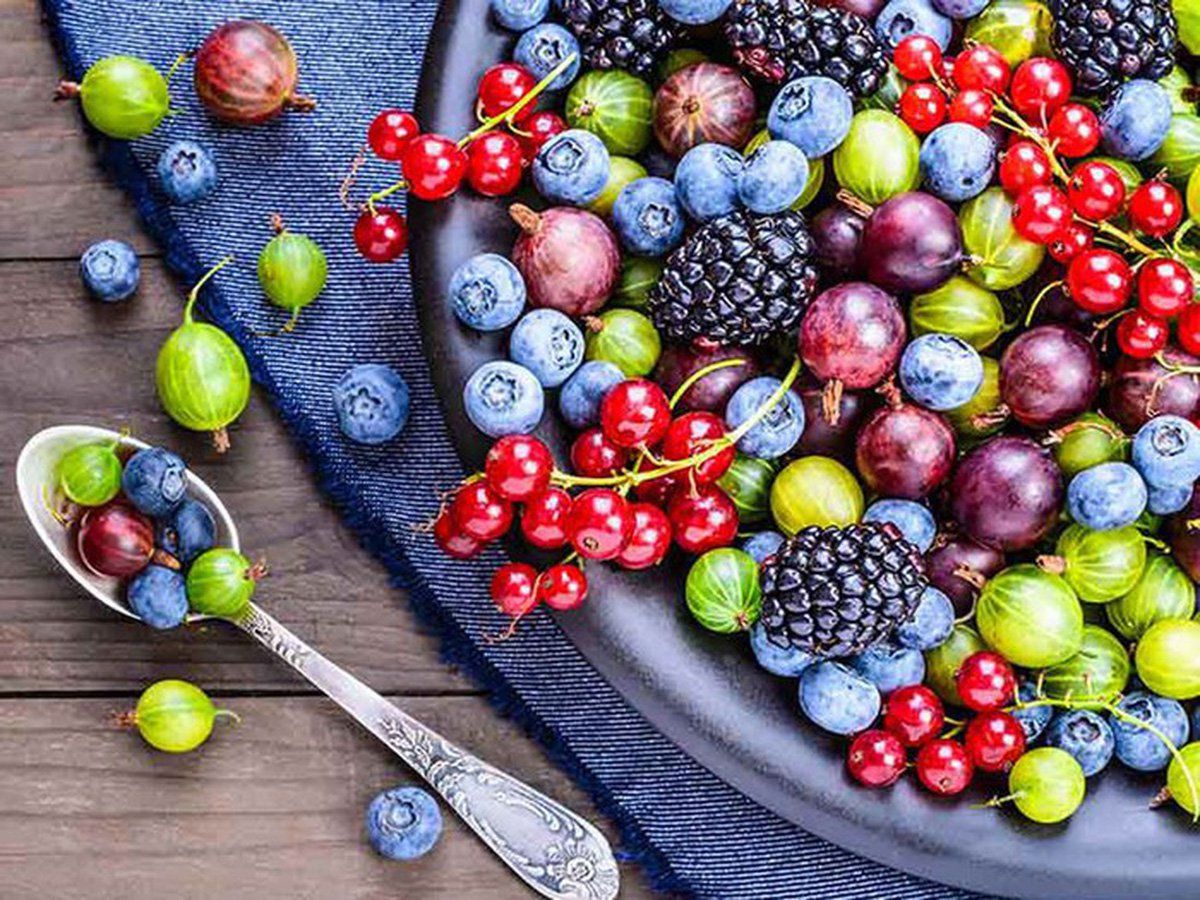
🍓 1. Berries (Strawberries, Blueberries, Raspberries)
Berries are among the best choices.
Why they help:
- High in fiber
- Low in sugar compared to other fruits
- Rich in antioxidants
Effect:
They slow glucose absorption and reduce blood sugar spikes.
🍏 2. Apples
Apples are a classic, balanced fruit.
Benefits:
- Contain soluble fiber (pectin)
- Help slow digestion
- Provide steady energy
Eating apples with the skin increases their fiber content.
🍐 3. Pears
Similar to apples, pears are fiber-rich and gentle on blood sugar.
What they do:
- Improve digestion
- Support gradual sugar release
🍊 4. Citrus Fruits (Oranges, Grapefruit)
Citrus fruits are refreshing and beneficial.
Why they’re good:
- Low glycemic index
- High vitamin C
- Contain flavonoids that support metabolism
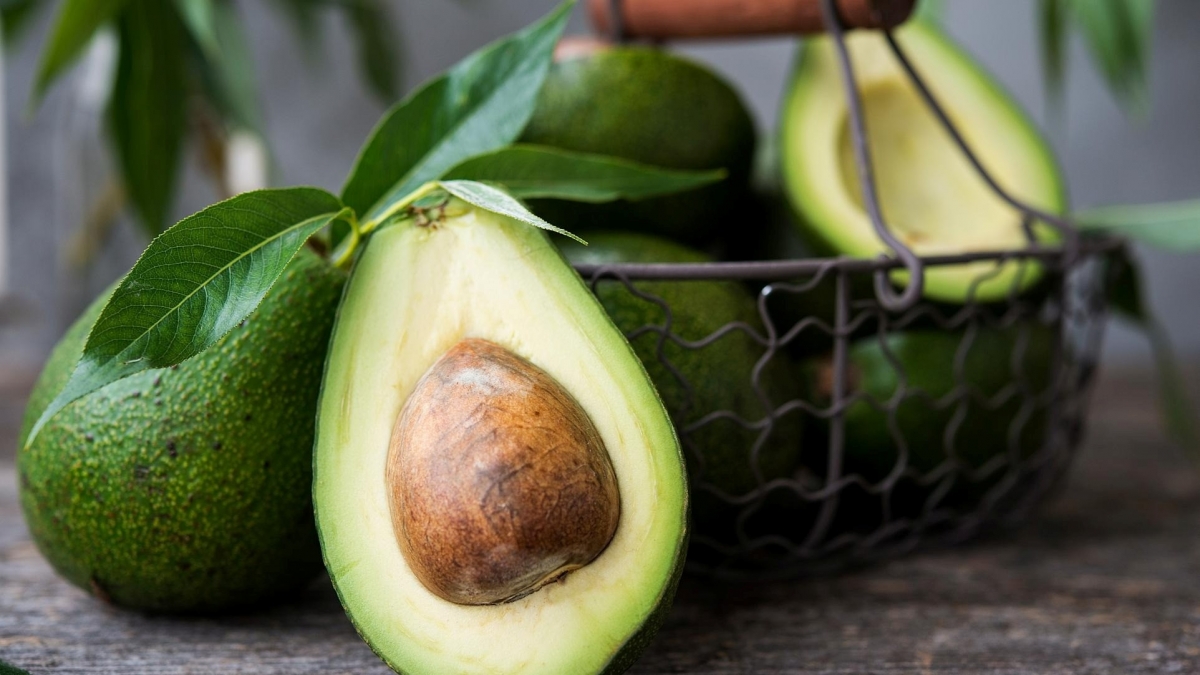
🥑 5. Avocados
Technically a fruit, avocados are unique.
Key advantage:
- Very low in sugar
- High in healthy fats and fiber
They help stabilize blood sugar rather than raise it.
🍒 6. Cherries
Cherries have a relatively low GI and contain beneficial plant compounds.
Effect:
- May help regulate insulin response
- Provide antioxidants
🍑 7. Peaches and Plums
These fruits offer moderate sweetness with beneficial nutrients.
Why they help:
- Contain fiber and antioxidants
- Moderate impact on blood sugar when eaten in portions
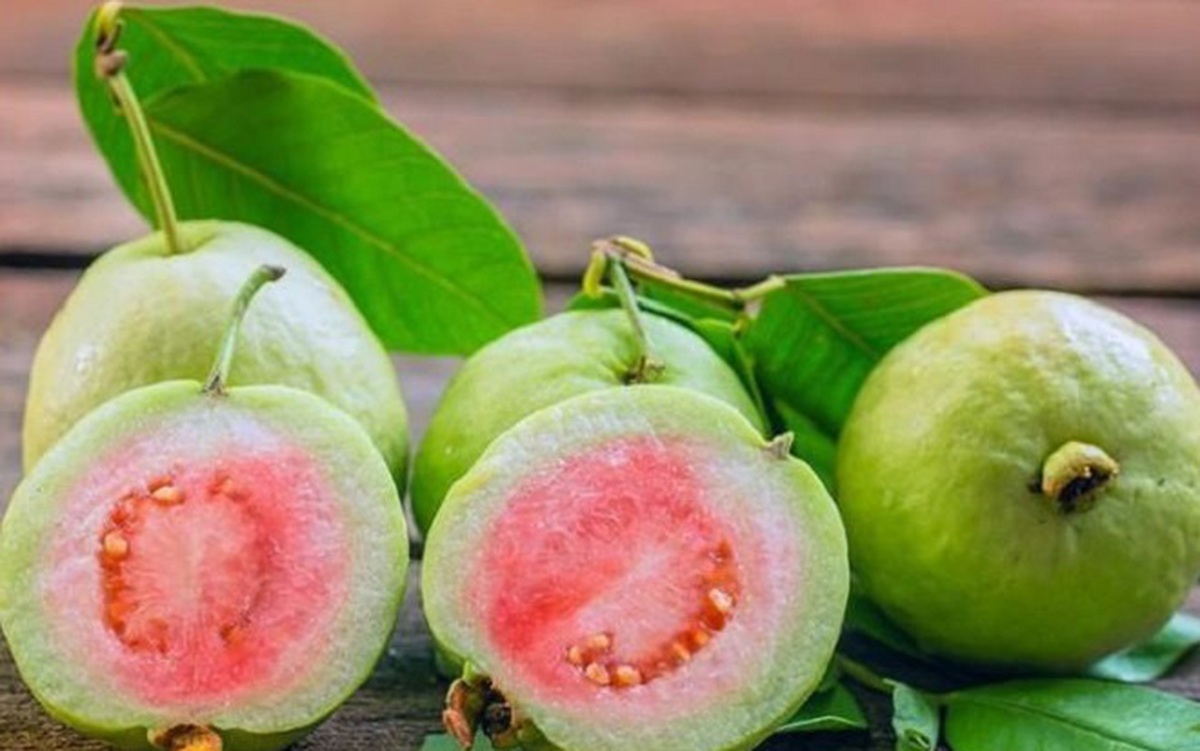
🍈 8. Guava
Guava is an excellent but often underrated fruit for blood sugar control.
Why it stands out:
- Very high in fiber (especially when eaten with the skin)
- Low glycemic index
- Rich in vitamin C and antioxidants
Effect on your body:
- Slows sugar absorption significantly
- Helps prevent sudden glucose spikes
- Supports digestive health at the same time
Tip:
Eating guava with the peel maximizes its benefits for blood sugar stability.
🍌 What About Bananas?
Bananas are often questioned.
Reality:
- Ripe bananas raise blood sugar faster
- Less ripe (slightly green) bananas have lower impact
Portion and ripeness matter more than elimination.
⚠️ Fruits to Be Careful With
Some fruits can spike blood sugar more quickly if eaten in large amounts:
- Dried fruits (concentrated sugar)
- Fruit juices (lack fiber)
- Very ripe tropical fruits in excess
These aren’t “bad,” but they require moderation.
🍽️ How to Eat Fruit Without Spiking Blood Sugar
1. Pair with Protein or Fat
Example:
- Apple + nuts
- Berries + yogurt
This slows sugar absorption.
2. Watch Portion Sizes
Even healthy fruit can raise blood sugar if eaten in excess.
3. Choose Whole Fruits Over Juice
Whole fruits contain fiber—juice does not.
4. Eat Fruit Earlier in the Day
Your body may handle glucose better earlier rather than late at night.
🛡️ What Your Body Experiences
When you choose the right fruits:
- Blood sugar rises more gradually
- Energy levels stay stable
- Cravings decrease
- Metabolism functions more efficiently
💡 Final Thoughts
Fruit is not the enemy of blood sugar - poor choices and imbalances are.
By focusing on fiber-rich, lower-GI fruits (like berries, apples, and especially guava) and combining them with balanced meals, you can enjoy fruit while keeping your blood sugar stable.
The goal isn’t restriction - it’s smarter selection.
Because when used correctly, fruit can support not disrupt your health.